
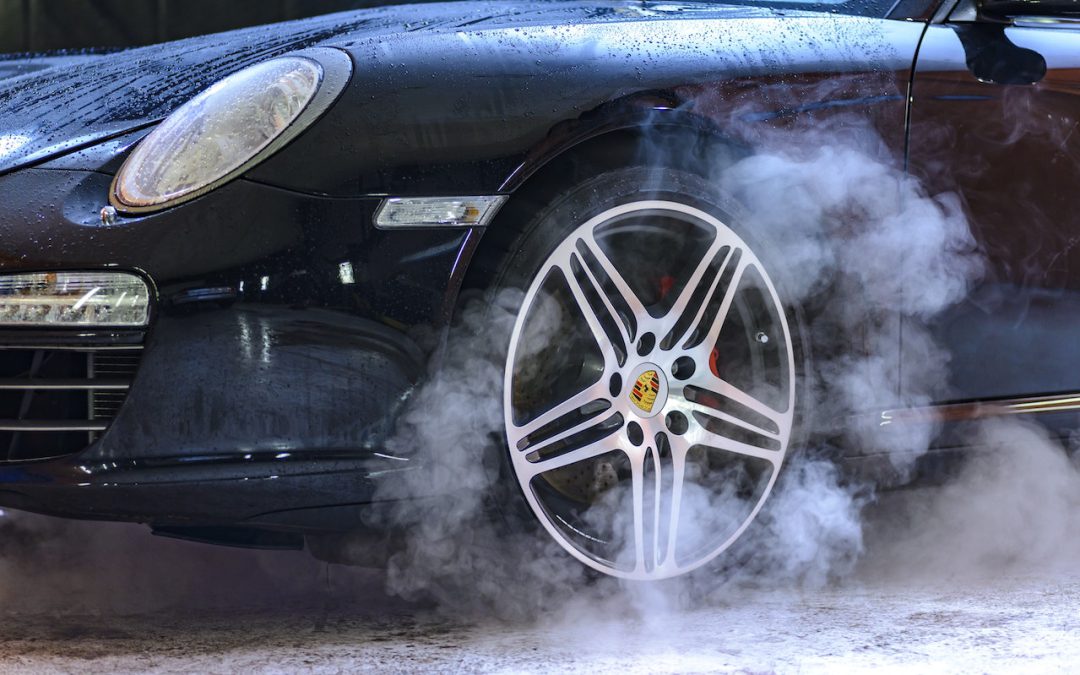
A burning smell coming from your car is one of those warning signs that drivers should never ignore. Unlike a dashboard light that clearly indicates a specific system, odors are more ambiguous—but they often signal that something in the vehicle is overheating, leaking, or experiencing excessive friction. In many cases, that smell is the first clue that a mechanical issue is developing before it becomes a serious breakdown.
Some burning odors are harmless and temporary, such as dust burning off brake components after heavy use. Others can indicate urgent problems involving the engine, transmission, electrical system, or fluid leaks. The challenge is that different smells often point to different causes, and identifying the type of odor can help narrow down the source.
Understanding what a burning smell means, where it is coming from, and when it becomes dangerous can help prevent costly repairs and reduce safety risks on the road. This guide explains the most common causes, how to interpret the smell, and what steps you should take when it appears.
Key Takeaways
- A burning smell from a vehicle often signals overheating, friction, or fluid leaks.
- Different odors (oil, rubber, electrical, or clutch) point to different problems.
- Some smells are temporary, while others require immediate attention.
- Brake, engine, transmission, and electrical issues are the most common sources.
- Ignoring persistent burning odors can lead to severe mechanical damage or fire risk.
- Early inspection and maintenance help prevent expensive repairs and breakdowns.
Understanding Burning Odors in a Vehicle
A burning smell inside or around a vehicle is usually the result of excessive heat, unwanted friction, or exposure of sensitive materials to conditions they were not designed to handle. Modern automobiles depend on a network of lubricated moving parts, insulated wiring, and carefully regulated temperature systems. When any of these safeguards are compromised, components may begin to overheat, degrade, or emit noticeable odors.
In many situations, the smell itself is the first and most important warning sign that something is going wrong beneath the surface. Because different systems operate in close proximity, heat can spread quickly and affect nearby materials, making it more difficult to immediately identify the source without careful observation.
Why Heat and Friction Matter
Most mechanical parts inside a car are designed to function within a specific temperature range. Engine oil reduces friction between metal surfaces, electrical insulation protects wiring from overheating, and cooling systems help regulate engine temperature. When these systems fail or become inefficient, friction increases and heat builds rapidly.
As temperatures rise beyond safe limits, rubber seals may harden or crack, fluids can burn off on hot surfaces, and electrical insulation may begin to melt. These reactions often produce distinct smells that alert the driver to a developing issue.
Key Clues for Identifying the Source
Accurately determining the origin of a burning odor often depends on paying attention to several important details. Rather than focusing on the smell alone, observing the conditions under which it appears can help narrow down potential causes.
Important indicators include:
- Location of the odor: Whether it is strongest in the engine compartment, near the wheels, or inside the cabin
- Driving conditions at the time: If the smell occurs during acceleration, braking, idling, or after extended driving
- Type of odor detected: A scent resembling burnt oil, melting plastic, heated rubber, or overheated electronics
Each of these observations provides valuable insight into which system may be affected. For example, a sharp electrical scent inside the cabin may suggest wiring or HVAC concerns, while a stronger odor near the wheels could point toward braking system stress.
Why Early Recognition Matters
Ignoring early warning signs can allow small issues to escalate into more serious mechanical damage. Overheated components may lose efficiency, protective seals may fail, and in some cases, continued operation can lead to complete system breakdowns.
By paying attention to where the smell originates, when it appears, and what it resembles, drivers can better understand potential underlying problems and seek timely inspection before more costly repairs develop.
A burning odor typically occurs when heat exceeds normal operating levels or when a substance is exposed to friction or electrical overload. Cars contain many components that rely on lubrication, insulation, and cooling systems. When one of these systems fails, materials may begin to break down or burn.
The key to diagnosing the issue is identifying:
- Where the smell is strongest
- When it appears (driving, braking, idling)
- What it resembles (oil, rubber, plastic, etc.)
Each clue helps pinpoint the affected system.
Why the Location of a Burning Smell Is Important
When a vehicle emits a burning odor, the most useful clue for diagnosis is often where the scent is strongest. Because different systems are located in separate areas of the car, the origin of the smell can quickly narrow down the possible cause. Paying attention to whether the odor comes from the engine compartment, interior cabin, or wheel area helps identify which components may be under stress or failing.
Engine Bay Odors
If the burning scent is most noticeable under the hood, the issue is usually related to heat-sensitive components in the powertrain area. The engine bay contains belts, fluids, wiring, and seals that operate under high temperatures, making it one of the most common sources of unusual smells.
Possible contributors include:
- Engine oil leaking onto hot surfaces such as the exhaust system
- Slipping or deteriorating accessory belts
- Overheated wiring insulation or electrical connections
- Aging gaskets that allow fluid seepage
These conditions often produce a strong odor that becomes more noticeable after driving or when the engine is under load. In some cases, faint smoke may also be visible when the hood is opened.
Interior Cabin Odors
When the smell is detected inside the passenger compartment, the cause is often linked to systems that regulate air circulation or internal comfort features. Because the cabin is sealed, even small leaks or electrical irregularities can become noticeable quickly.
Common sources include:
- Malfunctioning heating or air conditioning components
- Heater core leaks releasing coolant vapors
- Electrical wiring faults behind the dashboard or seats
- Debris trapped within ventilation ducts
Cabin-related odors may feel more concentrated and persistent, especially when the climate control system is active. Drivers may also notice fogging windows or inconsistent airflow if the HVAC system is involved.
Wheel Area Smells
If the odor is strongest near one or more wheels, the braking system is often the primary suspect. Brakes generate heat through friction, and when components are overworked or malfunctioning, that heat can produce a distinct burning smell.
Typical causes include:
- Overheated brake pads from heavy or continuous braking
- Sticking calipers that keep pads in contact with rotors
- Worn or damaged braking components creating excess friction
- Driving conditions such as steep descents or stop-and-go traffic
This type of smell may be temporary after heavy braking, but if it persists, it can indicate a mechanical issue that requires inspection.
Why Location-Based Diagnosis Helps
Identifying where the burning odor originates allows for faster and more accurate troubleshooting. Since each area of the vehicle contains different systems and materials, isolating the source reduces guesswork and helps prevent further damage. Early attention to these warning signs supports safer driving and reduces the risk of costly repairs over time.
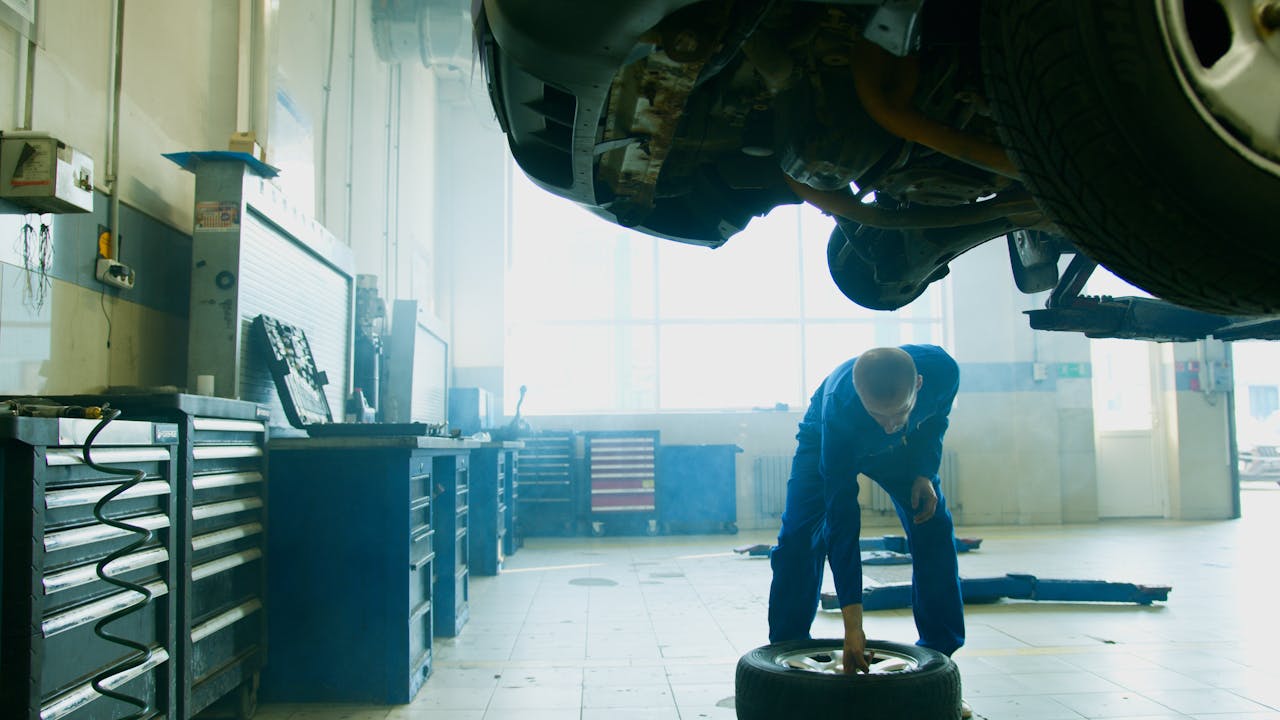
Is a Burning Smell From a Vehicle a Serious Concern?
A burning odor coming from a vehicle can range from a harmless, short-lived occurrence to a sign of a developing mechanical fault. The key difference lies in how long the smell lasts, how strong it is, and whether it is accompanied by other symptoms such as smoke, warning lights, or performance changes. While not every situation indicates immediate danger, many burning scents should be treated as early alerts that something is not functioning correctly.
Situations That Are Generally Less Concerning
Some odors appear temporarily and are part of normal vehicle operation under specific conditions. These cases typically resolve quickly and do not indicate lasting damage.
Examples include:
- A brief brake odor after heavy stopping, especially when descending steep roads
- Residual dust or protective coatings burning off newly replaced parts
- Short-term belt slip caused by moisture during rain or wet driving conditions
In these scenarios, the smell usually fades once the vehicle returns to normal driving conditions. No additional symptoms are typically present, and performance remains unaffected.
Situations That Require Immediate Attention
Other burning odors signal more serious issues that should not be ignored. These often involve overheating, fluid leaks, or electrical faults that may worsen quickly if left unresolved.
Warning signs include:
- A strong, continuous smell resembling burning oil or fuel
- Sharp electrical or plastic-like odor inside or around the cabin
- Visible smoke coming from the engine area or wheel wells
- Noticeable loss of coolant, oil, or other essential fluids
- Rising engine temperature or dashboard warning indicators
When these symptoms appear together, they often point to active mechanical stress or component failure. Continuing to drive under these conditions may increase the risk of severe damage or safety hazards.
When to Seek Inspection
A practical rule is to monitor how long the odor lasts and whether it returns. If the smell persists beyond normal driving conditions or appears repeatedly, a professional evaluation is strongly recommended. Mechanics can identify whether the issue is related to brakes, engine components, electrical systems, or fluid leaks.
Recognizing the difference between temporary and persistent burning odors helps drivers make safer decisions and prevents minor issues from escalating into serious mechanical problems.
What to Do When a Burning Odor Appears in Your Vehicle
When a burning smell is detected while driving, the most important response is to stay calm and assess the situation carefully. Although not every case signals immediate danger, taking the right steps early can prevent minor issues from developing into major mechanical failures. A structured approach helps narrow down the source and ensures the vehicle remains safe to operate.
Step 1: Pinpoint the General Area
Begin by trying to determine where the odor is strongest. This initial observation can significantly reduce the range of possible causes. Pay attention to whether the scent is coming from:
- The front of the vehicle, which may indicate engine-related concerns
- Near the wheels, often associated with braking system strain
- Inside the passenger compartment, which could suggest electrical or HVAC issues
Noting when the smell appears—such as during acceleration, braking, or idling—also provides valuable clues about the affected system.
Step 2: Observe Dashboard Indicators
Modern vehicles are equipped with warning systems designed to alert drivers when something is wrong. Check the instrument panel for any illuminated symbols or messages. Indicators related to temperature, oil pressure, battery charge, or brake systems may help identify the underlying issue.
Even if no warning lights are present, the smell alone should still be taken seriously, especially if it persists or intensifies.
Step 3: Adjust Driving Behavior
If the odor continues, reduce strain on the vehicle. Avoid aggressive acceleration, heavy braking, or high-speed driving until the cause is better understood. Driving gently can help minimize heat buildup and prevent further stress on affected components.
In some cases, pulling over safely and allowing the vehicle to cool may help determine whether the smell fades or remains constant.
Step 4: Review Essential Fluid Levels
When it is safe to do so, check key fluid reservoirs under the hood. Low or leaking fluids are a common source of burning odors.
Important areas to inspect include:
- Engine oil level and condition
- Coolant reservoir for proper fill level
- Brake fluid container for any noticeable drop
If any fluid appears low or contaminated, it may indicate a leak or overheating issue that requires attention.
Step 5: Arrange a Professional Inspection
If the burning smell does not disappear or returns frequently, a qualified technician should evaluate the vehicle. Mechanics can perform a detailed inspection of mechanical, electrical, and braking systems to identify the exact cause.
Prompt diagnosis helps prevent further deterioration, reduces repair costs, and ensures the vehicle remains safe to operate. Addressing unusual odors early is one of the most effective ways to avoid unexpected breakdowns and maintain long-term reliability.
How Mechanics Diagnose Burning Smells
Technicians use a combination of inspection methods to locate the source:
- Visual inspection of engine and components
- Checking fluid leaks and levels
- Electrical system testing
- Brake system evaluation
- Road testing under controlled conditions
Pinpointing the smell early helps prevent larger mechanical failures.
How to Prevent Burning Smells in Your Car
Preventing burning smells in a vehicle is largely about consistent upkeep, attentive driving, and addressing small mechanical concerns before they escalate. Since these odors are often linked to heat buildup, fluid leaks, or friction between worn components, proactive care can significantly reduce the chances of encountering them.
Stay Consistent With Maintenance
Routine servicing plays a major role in keeping key systems operating within safe temperature ranges. When oil, coolant, and brake components are maintained properly, the likelihood of overheating or breakdown is greatly reduced.
Important maintenance practices include:
- Changing engine oil at recommended intervals
- Inspecting braking components for wear and heat damage
- Monitoring fluid levels regularly
- Replacing worn filters and seals as needed
These steps help ensure that lubrication, cooling, and friction control systems continue working efficiently, reducing the risk of overheating-related odors.
Address Minor Issues Early
Small mechanical problems often develop into larger concerns if ignored. A slight fluid seepage, a faint squeal from a belt, or early signs of component wear may not seem urgent at first, but they can quickly lead to increased heat and unwanted smells.
Common early-warning issues to watch for include:
- Light oil seepage around engine parts
- Cracks or glazing on drive belts
- Slight changes in braking feel or responsiveness
- Unusual sounds during startup or acceleration
Fixing these concerns promptly helps prevent heat stress on surrounding parts and reduces the chance of odor-producing damage.
Adopt Gentle Driving Practices
Driving behavior has a direct impact on how much stress is placed on mechanical systems. Harsh acceleration, sudden braking, and improper gear use can generate excess heat in both the engine and braking system.
Safer habits include:
- Accelerating smoothly rather than aggressively
- Allowing adequate distance for gradual stopping
- Avoiding unnecessary clutch use in manual vehicles
- Maintaining steady speeds when possible
These habits reduce friction and heat buildup, both of which are common triggers for burning odors.
Keep the Engine Compartment Clean
A clean engine area makes it easier to spot leaks, worn parts, or developing issues before they become serious. Dirt, oil residue, and debris can trap heat and mask early warning signs.
Regular cleaning helps with:
- Early detection of fluid leaks
- Improved airflow around components
- Reduced buildup of flammable residues
- Easier identification of worn or damaged parts
Final Thoughts
Preventing burning smells is not about one single action but a combination of maintenance, awareness, and careful driving. When systems are properly maintained and small issues are resolved early, the risk of overheating, friction damage, or electrical faults is significantly reduced. This proactive approach helps ensure a safer, more reliable driving experience over time.
Conclusion
A burning smell from your car is more than just an unpleasant odor—it is often an early warning sign that something is not working correctly. Whether it comes from oil leaks, overheating brakes, worn belts, electrical faults, or transmission issues, each type of smell provides important clues about the underlying problem.
While some situations are temporary and harmless, many burning odors signal developing mechanical issues that should not be ignored. Prompt attention can prevent costly repairs, improve vehicle safety, and reduce the risk of serious damage.
By paying attention to when and where the smell occurs, and by addressing issues early, drivers can maintain a safer and more reliable driving experience.
Frequently Asked Questions
Is it safe to drive if I smell something burning in my car?
It depends on the cause. Brief brake smell may be harmless, but persistent burning odors can indicate serious issues and should be inspected immediately.
Why does my car smell like burning rubber?
This often comes from slipping belts, misaligned pulleys, or hoses rubbing against hot engine parts.
What does burning oil smell like in a car?
It usually smells sharp and slightly acrid, often caused by oil leaking onto hot engine components.
Can brakes cause a burning smell?
Yes, overheated brakes or stuck calipers can produce a strong burning odor, especially after heavy braking.
Why do I smell burning inside my car?
This may indicate electrical issues, HVAC system problems, or coolant leaks affecting the heater core.
Is a burning smell always serious?
Not always. Some smells are temporary, but persistent or strong odors should never be ignored.
What should I do first if I smell burning while driving?
Identify the source if possible, reduce driving stress on the vehicle, and have it inspected if the smell continues.
Take Control of Repair Costs With Early Detection at autoTECH Blackhawk
Many expensive vehicle repairs don’t happen overnight. Small warning signs often appear long before a major breakdown, and catching them early can save you thousands in repairs and unexpected downtime.
At autoTECH Blackhawk, we focus on warning signs and early detection to help drivers stay ahead of costly problems. Strange noises, dashboard warning lights, rough shifting, vibrations, fluid leaks, uneven tire wear, or changes in braking performance can all point to issues that should be addressed before they become more serious.
Our experienced technicians perform detailed inspections and maintenance services designed to identify problems early. By monitoring your vehicle’s condition based on mileage, driving habits, and manufacturer recommendations, we help prevent small issues from turning into major repairs.
Routine services like oil changes, brake inspections, fluid checks, tire rotations, and battery testing play a critical role in keeping your vehicle dependable and reducing long-term ownership costs. Staying proactive can improve fuel efficiency, extend the life of your vehicle, and give you greater peace of mind on the road.
At autoTECH Blackhawk, our goal is simple. Help you avoid unnecessary expenses while keeping your vehicle running safely and reliably. With quality parts, experienced technicians, and a 3-year, 36,000-mile warranty on qualifying work, you can feel confident every time you get behind the wheel.
If your vehicle is showing warning signs or it’s time for preventative maintenance, contact autoTECH Blackhawk today and let our team help you stay ahead of costly repairs.