
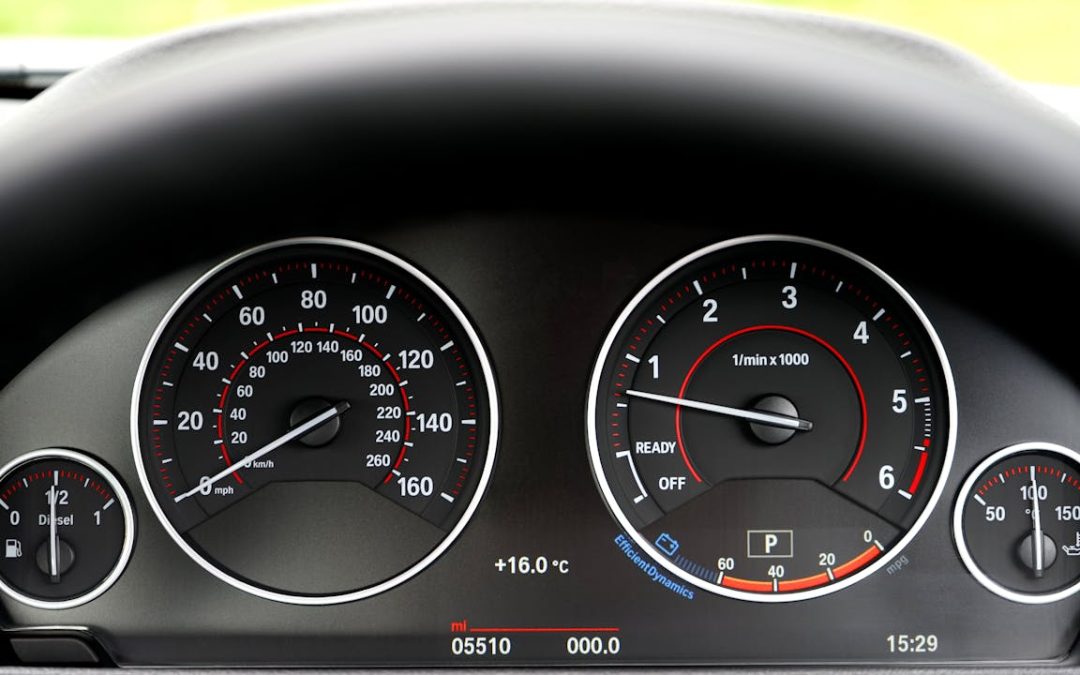
Modern vehicles are equipped with sophisticated onboard diagnostic systems designed to monitor critical components and alert drivers when something goes wrong. These alerts often appear as dashboard warning lights, and while some may indicate minor issues, others signal serious problems that require immediate attention.
Many drivers make the mistake of ignoring warning lights, assuming the vehicle is still safe to drive. Unfortunately, doing so can lead to expensive repairs, breakdowns, or even dangerous driving conditions. Understanding what these dashboard indicators mean can help you take action before a small issue becomes a major problem.
In this guide, we’ll explain the dashboard lights you should never ignore, what they typically indicate, and what steps you should take when they appear.
Key Takeaways
- Dashboard warning lights are your vehicle’s way of communicating potential problems.
- Red warning lights typically indicate urgent issues requiring immediate attention.
- Ignoring critical dashboard lights can result in severe engine damage, brake failure, or safety risks.
- Some yellow or orange warning lights can also indicate problems that should be diagnosed promptly.
- Routine maintenance and inspections can help prevent many warning-light-related issues.
- When in doubt, have your vehicle inspected by a qualified automotive technician.
Why Dashboard Warning Lights Matter
Dashboard warning lights are connected to sensors throughout your vehicle. These sensors constantly monitor engine performance, braking systems, fluid levels, electrical systems, emissions controls, and other critical functions.
When a sensor detects abnormal conditions, it sends information to the vehicle’s computer, which activates the corresponding dashboard light.
These warning indicators are designed to:
- Alert drivers to potential mechanical problems
- Prevent costly component failures
- Improve vehicle safety
- Reduce emissions
- Help maintain optimal performance
Ignoring these warnings can allow problems to worsen over time.
Engine Oil Pressure Alert: What Drivers Need to Know
Understanding the Warning Symbol
One of the most urgent alerts a driver can encounter on the dashboard is the engine oil pressure indicator. This symbol is usually depicted as a small oil can with a single drop emerging from the spout. When it appears, it is signaling a potential disruption in the engine’s lubrication system, which is essential for keeping internal components operating smoothly and safely.
What Triggers the Alert
This notification is activated when the engine’s oil circulation drops below a safe operating threshold. Several underlying issues may be responsible. A frequently encountered cause is insufficient oil volume, often due to leaks or delayed maintenance. Mechanical faults such as a failing oil pump can also restrict proper flow throughout the engine.
In some situations, debris buildup may obstruct internal channels, limiting the movement of lubricant to critical areas. Wear and tear on internal engine components, particularly bearings, can further reduce pressure levels. Additionally, a malfunctioning sensor may incorrectly signal a problem even when oil conditions are within normal range, though this possibility should never be assumed without verification.
Why Immediate Attention Is Essential
Proper lubrication is vital for minimizing friction between moving engine parts. Without adequate oil pressure, metal surfaces begin to make direct contact, generating excessive heat and accelerated wear. Continued operation under these conditions can quickly escalate damage, leading to warped components, seized parts, or complete engine breakdown.
Because these risks develop rapidly, this alert should always be treated as a high-priority warning. Even short periods of driving with low oil pressure can significantly reduce engine lifespan and result in costly repairs.
Recommended Response
If this indicator appears while driving, the safest action is to reduce speed and pull over as soon as it is safe to do so. Once stopped, the engine should be turned off immediately to prevent further damage. After allowing the vehicle to rest, the oil level may be checked if conditions permit and the driver can do so safely.
If the warning remains visible after inspection or if the oil level appears normal, continuing to drive is not advised. In such cases, arranging for towing services and a professional diagnostic check is the most responsible course of action. Prompt intervention can often mean the difference between a minor repair and severe engine failure.
Engine Temperature Alert: What It Means and Why It Matters
Recognizing the Dashboard Indicator
The engine temperature warning symbol is commonly displayed as a thermometer partially submerged in liquid or surrounded by wave-like markings. When this icon appears on the dashboard, it signals that the engine is operating beyond its safe thermal range. This condition requires prompt attention, as excessive heat can quickly compromise mechanical integrity and overall vehicle reliability.
Common Causes of Rising Engine Heat
Several factors can contribute to elevated engine temperatures. A frequent cause is insufficient coolant, often due to leaks within hoses, the radiator, or connection points. The cooling system may also be affected by a malfunctioning water pump, which is responsible for circulating coolant throughout the engine.
A stuck or faulty thermostat can restrict proper coolant flow, preventing heat from being regulated effectively. Additionally, failures in the radiator fan system can reduce airflow, especially when the vehicle is stationary or moving at low speeds. When any of these components fail, heat builds up faster than it can be dispersed.
Risks Associated With Overheating
Operating a vehicle under high-temperature conditions places extreme stress on internal engine parts. Prolonged overheating may lead to a blown head gasket, which can allow coolant and oil to mix, severely affecting engine performance. In more severe cases, cylinder heads can warp due to uneven thermal expansion, or cracks may form in the engine block itself. These types of damage often require extensive repairs or full engine replacement, making early intervention critical.
Recommended Driver Response
If the temperature warning appears while driving, immediate action is necessary. The first step is to reduce engine load by switching off the air conditioning system. Turning on the heater can also help draw heat away from the engine compartment, assisting in temperature reduction.
The vehicle should be guided to a safe stopping point as soon as possible. Once parked, the engine must be allowed to cool completely before any inspection is attempted. It is especially important to avoid removing the radiator cap while the engine remains hot, as pressurized coolant can cause serious injury.
Preventive Awareness
Regular maintenance of the cooling system plays a major role in preventing overheating incidents. Monitoring coolant levels, inspecting hoses for wear, and ensuring proper radiator function can help reduce the likelihood of unexpected temperature spikes. Addressing small issues early often prevents more serious mechanical failures down the line.
Brake Warning Light
What It Looks Like
The brake warning light may display:
- The word “BRAKE”
- A red circle with an exclamation point
- A parking brake symbol
What It Means
Possible causes include:
- Low brake fluid
- Worn brake pads
- Hydraulic system issues
- Parking brake engaged
- Brake system failure
Why It Should Be Taken Seriously
Your braking system is your vehicle’s primary safety feature.
Ignoring brake warnings can result in:
- Reduced stopping power
- Increased stopping distance
- Brake failure
What To Do
If the light remains illuminated after releasing the parking brake, have the brake system inspected immediately.
Battery Warning Light
What It Looks Like
The battery warning light resembles a battery with plus and minus symbols.
What It Means
Your charging system may not be functioning properly.
Possible causes include:
- Failing alternator
- Loose battery cables
- Damaged wiring
- Weak battery
- Broken serpentine belt
Why You Shouldn’t Ignore It
Without a functioning charging system:
- The battery will eventually lose power
- Electrical systems may stop working
- The vehicle could stall unexpectedly
What To Do
Reduce electrical loads and schedule a diagnosis as soon as possible.
If additional electrical symptoms occur, stop driving and seek assistance.

Check Engine Indicator: Understanding What It Signals
Recognizing the Dashboard Symbol
The check engine indicator is one of the most widely recognized alerts in modern vehicles. It typically appears as a small outline of an engine illuminated on the dashboard. Unlike more specific warning icons, this signal does not point to a single component. Instead, it serves as a general notification that something within the vehicle’s emissions, fuel, or ignition systems is not operating within expected parameters.
What Triggers the Alert
Because this indicator is connected to the vehicle’s onboard diagnostic system, it can be activated by a broad range of conditions. A frequently encountered cause is a loose or improperly sealed fuel cap, which can disrupt pressure within the fuel system. Other common triggers include malfunctioning oxygen sensors, which monitor exhaust gases to help regulate fuel efficiency and emissions output.
Engine misfires, fuel delivery irregularities, and faults within the emissions control system can also activate this alert. Additionally, sensor-related issues may send inaccurate readings to the engine control unit, prompting the warning light even when drivability appears normal.
Solid Light vs. Flashing Light
The behavior of this indicator provides important insight into the severity of the issue. A steady illumination generally suggests a non-urgent fault that still requires timely diagnosis. While the vehicle may continue to operate normally, ignoring the signal can allow underlying problems to worsen over time.
A flashing indicator, however, represents a more serious condition. This typically points to active engine misfires that may lead to unburned fuel entering the exhaust system. If left unaddressed, this can cause rapid damage to the catalytic converter, a costly and essential emissions component. In such cases, continued driving is strongly discouraged.
Recommended Action
When this warning appears, retrieving diagnostic trouble codes through a professional scan is the most effective next step. These codes help identify the specific system or component generating the alert, allowing for accurate repairs rather than guesswork.
Although the vehicle may still be operable in some cases, timely attention is important to prevent escalation. Particularly when the indicator is flashing, reducing driving and seeking immediate mechanical inspection is the safest approach.
Preventive Awareness
Routine maintenance, including timely servicing of ignition components, fuel system checks, and emissions inspections, can significantly reduce the likelihood of this warning appearing unexpectedly. Addressing minor performance changes early often helps prevent more complex and expensive repairs later on.
Anti-Lock Braking System (ABS) Warning Light
What It Looks Like
The letters “ABS” are enclosed in a circle.
What It Means
There is a problem with the anti-lock braking system.
Potential causes include:
- Wheel speed sensor failure
- ABS module issues
- Damaged wiring
- Hydraulic faults
Why It Matters
Your normal brakes may still function, but ABS may not activate during emergency braking.
This can reduce control during:
- Wet roads
- Snow
- Ice
- Panic stops
What To Do
Schedule an inspection promptly.
Drive cautiously until repairs are completed.
Airbag Warning Light
What It Looks Like
A seated passenger with a circle representing an airbag.
What It Means
There may be a malfunction in the supplemental restraint system.
Possible issues include:
- Faulty crash sensors
- Airbag module problems
- Wiring faults
- Seat belt sensor issues
Why It Is Critical
Airbags may fail to deploy during a collision.
In some cases, they may deploy unexpectedly.
What To Do
Have the system inspected as soon as possible.
Tire Pressure Monitoring System (TPMS) Alert
Understanding the Dashboard Symbol
The Tire Pressure Monitoring System (TPMS) is designed to keep drivers informed about the air pressure condition inside each tire. When a discrepancy is detected, a warning icon appears on the dashboard, typically shaped like a horseshoe or flattened tire outline with an exclamation mark in the center. This signal indicates that one or more tires may not be properly inflated and require attention.
What Triggers the Alert
Several conditions can activate this notification. One of the most common is natural air loss due to temperature fluctuations, especially during sudden weather changes. Cooler temperatures cause air molecules to contract, resulting in lower tire pressure readings. Other frequent causes include small punctures from road debris, worn or leaking valve stems, and structural damage to the wheel itself. In some cases, gradual seepage over time can also lead to reduced inflation levels without any obvious external damage.
Why Proper Inflation Matters
Maintaining correct tire pressure is essential for both safety and performance. When tires are not inflated to the recommended level, the vehicle may experience a range of negative effects. Fuel consumption can increase because underinflated tires create greater rolling resistance. Uneven tread wear may develop, shortening the overall lifespan of the tires and leading to premature replacement.
Handling and stability can also be compromised. A vehicle with incorrect tire pressure may feel less responsive during steering, particularly when cornering or braking. In more severe situations, excessive underinflation generates heat buildup within the tire structure, increasing the likelihood of a sudden failure or blowout while driving at higher speeds.
Recommended Action
When the TPMS indicator appears, the first step is to inspect all tires using a dependable pressure gauge. Compare the readings to the manufacturer’s recommended specifications, which are usually found on a sticker inside the driver’s door frame or in the owner’s manual. Inflate each tire to the correct level as needed, ensuring that all four are balanced for consistent performance.
If the alert remains active after adjustment, further inspection may be necessary to rule out hidden leaks or sensor issues. Prompt attention not only restores proper driving conditions but also helps extend tire life and improve overall road safety.
Power Steering Warning Light
What It Looks Like
A steering wheel icon, sometimes with an exclamation point.
What It Means
Your power steering system may be malfunctioning.
Potential causes include:
- Low steering fluid
- Pump failure
- Electrical steering system faults
Why It Matters
Steering effort can increase dramatically.
This makes controlling the vehicle more difficult, particularly at low speeds.
What To Do
Have the system inspected immediately.
Transmission Temperature Warning Light
What It Looks Like
A thermometer within a gear symbol.
What It Means
Transmission temperatures have exceeded safe operating limits.
Common causes include:
- Low transmission fluid
- Heavy towing
- Internal transmission problems
- Cooling system failures
Why It Is Serious
Excessive heat is one of the leading causes of transmission failure.
Ignoring this warning can result in:
- Burned fluid
- Damaged clutches
- Costly transmission replacement
What To Do
Stop driving and allow the transmission to cool.
Have the system diagnosed promptly.
Electronic Stability Control (ESC) Indicator
Understanding the Stability Control Indicator
The Electronic Stability Control (ESC) system is one of the most important safety technologies found in modern vehicles. Designed to help drivers maintain directional control during sudden maneuvers or slippery road conditions, the system continuously monitors steering input, wheel speed, and vehicle movement. When it detects that the vehicle is beginning to slide or lose traction, it can automatically apply braking force to individual wheels and adjust engine output to help restore stability.
The dashboard symbol for this feature typically shows a car with curved or zigzag lines trailing behind it, representing a loss of traction. In many situations, seeing this light briefly is completely normal. For example, when driving on wet pavement, loose gravel, or during sharp cornering, the indicator may flash momentarily as the system actively works to improve control.
However, a continuously illuminated ESC light is a different matter. A steady warning often suggests a problem within the traction or stability management system. Common causes may include faulty wheel-speed sensors, steering angle sensor issues, damaged wiring, or electronic control module faults. Since these components work together to help prevent skidding, any malfunction can reduce the effectiveness of the vehicle’s safety systems.
Although the vehicle may remain drivable, drivers should exercise caution, especially in adverse weather conditions. Scheduling a professional inspection can help identify the root cause and restore full functionality before the issue affects handling performance.
Diesel Exhaust Fluid (DEF) Warning Indicator
What Drivers of Diesel Vehicles Should Know
Diesel-powered vehicles equipped with modern emissions technology rely on Diesel Exhaust Fluid (DEF) to reduce harmful exhaust emissions. DEF is a specially formulated solution injected into the exhaust stream as part of the selective catalytic reduction (SCR) process. This system helps vehicles comply with environmental regulations while maintaining efficient engine performance.
When the DEF warning indicator appears, it often signals that the fluid level is running low and requires replenishment. In other cases, the alert may point to a malfunction within the SCR system, a sensor problem, contamination of the fluid, or another emissions-related concern.
Ignoring this notification can lead to more than just reduced environmental performance. Many manufacturers program diesel vehicles to enter a limited-power mode when DEF levels become critically low. Some models may even prevent the engine from restarting once it has been shut off until the issue is addressed.
To avoid operational disruptions, drivers should refill DEF according to manufacturer recommendations and investigate any warning that remains active after replenishment. Prompt attention helps ensure compliance with emissions standards, preserves vehicle performance, and prevents unnecessary downtime.
How Ignoring Warning Lights Can Cost You More
Many vehicle owners assume a warning indicator can wait until their next service appointment, especially if the car still seems to operate normally. However, dashboard alerts are designed to notify drivers of developing issues before they become severe. What starts as a relatively simple repair can quickly escalate into a much larger and more costly problem when left unaddressed.
For example, a low oil pressure alert may initially be caused by a small leak, a failing sensor, or insufficient lubricant. If the underlying issue is ignored, critical engine components may experience excessive friction and heat, potentially resulting in extensive internal damage that requires a major engine overhaul or replacement.
Cooling system alerts provide another example. A minor coolant leak or deteriorating hose may seem insignificant at first. Yet continued driving with inadequate cooling can cause the engine to overheat, increasing the risk of warped cylinder heads, damaged gaskets, and other serious mechanical failures that are far more expensive to repair than the original problem.
Even warnings related to tire pressure deserve prompt attention. Underinflated tires often lead to uneven tread wear, reduced handling, and decreased fuel efficiency. Over time, operating on improperly inflated tires can increase the likelihood of a sudden blowout, creating both a safety hazard and the need for premature tire replacement.
Electrical system indicators can also become costly when overlooked. A charging system problem may begin with a weakening alternator or loose connection. Without proper charging, the battery may lose power unexpectedly, leaving you stranded and potentially affecting other vehicle electronics.
Likewise, a check engine indicator may be triggered by a relatively minor component failure, such as a faulty sensor. Ignoring the issue can allow engine performance problems to continue, placing additional stress on emissions components and potentially leading to significantly more expensive repairs down the road.
The common theme is simple: vehicles are designed to provide early warning signs before major damage occurs. Responding promptly to dashboard alerts often means fixing a smaller issue before it affects other systems. In many cases, scheduling an inspection soon after a warning appears can help preserve reliability, improve safety, and reduce long-term ownership costs. Taking action early is almost always more affordable than waiting for a minor concern to develop into a major mechanical failure.
Preventing Dashboard Warning Lights
While not all issues are avoidable, preventive maintenance significantly reduces risk.
Follow Recommended Service Intervals
Routine maintenance helps identify problems before warning lights appear.
Monitor Fluid Levels
Regularly check:
- Engine oil
- Coolant
- Brake fluid
- Power steering fluid
- Transmission fluid
Inspect Tires Monthly
Proper inflation supports safety and vehicle performance.
Replace Worn Components Promptly
Delaying repairs often leads to additional damage.
Pay Attention to Unusual Symptoms
Watch for:
- Strange noises
- Burning smells
- Vibrations
- Reduced performance
- Fluid leaks
These symptoms often appear before dashboard warnings.
Conclusion
Dashboard warning lights are designed to protect both you and your vehicle. While some indicators may signal relatively minor issues, others warn of serious problems that can compromise safety or cause extensive mechanical damage. The oil pressure light, engine temperature warning, brake warning light, battery indicator, airbag light, and flashing check engine light are among the most important alerts drivers should never ignore.
Responding quickly to warning lights can prevent breakdowns, reduce repair costs, and keep your vehicle operating safely. Whenever a warning light appears and its cause is unclear, the safest course of action is to have the vehicle inspected by a qualified automotive professional as soon as possible.
Frequently Asked Questions
Which dashboard light is the most serious?
The oil pressure warning light and engine temperature warning light are generally among the most serious because ignoring them can quickly lead to catastrophic engine damage.
Can I drive with the check engine light on?
If the light is solid, you may be able to drive temporarily while scheduling diagnostics. If the light is flashing, you should reduce driving and seek immediate repair.
Why is my brake warning light on?
The brake warning light can indicate low brake fluid, worn brake components, parking brake engagement, or a more serious hydraulic system problem.
What should I do if multiple warning lights come on at once?
Multiple warning lights may indicate an electrical system issue, charging system failure, or computer malfunction. Have the vehicle inspected immediately.
Can low tire pressure trigger other warning lights?
Yes. Modern vehicles often integrate tire pressure monitoring with stability control and traction control systems, potentially causing multiple warnings.
Is it safe to ignore a yellow warning light?
Not always. While yellow lights generally indicate less urgent issues than red lights, they still require attention and diagnosis to prevent further damage.
How often should I check my dashboard for warning lights?
You should monitor dashboard indicators every time you start your vehicle and while driving. Address any new warning lights as soon as they appear.
Take Control of Repair Costs With Early Detection at autoTECH Blackhawk
Many expensive vehicle repairs don’t happen overnight. Small warning signs often appear long before a major breakdown, and catching them early can save you thousands in repairs and unexpected downtime.
At autoTECH Blackhawk, we focus on warning signs and early detection to help drivers stay ahead of costly problems. Strange noises, dashboard warning lights, rough shifting, vibrations, fluid leaks, uneven tire wear, or changes in braking performance can all point to issues that should be addressed before they become more serious.
Our experienced technicians perform detailed inspections and maintenance services designed to identify problems early. By monitoring your vehicle’s condition based on mileage, driving habits, and manufacturer recommendations, we help prevent small issues from turning into major repairs.
Routine services like oil changes, brake inspections, fluid checks, tire rotations, and battery testing play a critical role in keeping your vehicle dependable and reducing long-term ownership costs. Staying proactive can improve fuel efficiency, extend the life of your vehicle, and give you greater peace of mind on the road.
At autoTECH Blackhawk, our goal is simple. Help you avoid unnecessary expenses while keeping your vehicle running safely and reliably. With quality parts, experienced technicians, and a 3-year, 36,000-mile warranty on qualifying work, you can feel confident every time you get behind the wheel.
If your vehicle is showing warning signs or it’s time for preventative maintenance, contact autoTECH Blackhawk today and let our team help you stay ahead of costly repairs.