Seasonal changes affect more than road conditions and tire pressure. Rising temperatures, freezing weather, heavy rain, dust, humidity, and longer driving periods can also influence the fluids that protect a vehicle’s engine, brakes, transmission, cooling system, and other components. A fluid that performs normally during mild weather may reveal a leak, contamination, low level, or incorrect mixture when the weather becomes more demanding.
Checking vehicle fluids at the beginning of each season is a practical form of preventive maintenance. These inspections can help drivers spot developing problems before they lead to overheating, poor visibility, difficult steering, inconsistent braking, or expensive mechanical damage. Seasonal checks are especially useful before summer road trips, winter storms, extended periods of rain, or major changes in daily driving habits.
However, checking fluids does not mean automatically replacing everything four times a year. Each fluid has its own service life, inspection method, and manufacturer-recommended maintenance interval. Some vehicles also use sealed systems or electronic level monitoring that require professional equipment. The goal of a seasonal check is to confirm that each applicable fluid is at the correct level, remains in acceptable condition, and shows no evidence of leakage or contamination.
This guide explains which fluids deserve attention throughout the year, what seasonal conditions can do to them, how to check them safely, and when a low or abnormal fluid condition should lead to professional service.
Key Takeaways
- Check the owner’s manual before inspecting, topping off, or replacing any vehicle fluid. Fluid types, specifications, procedures, and service intervals differ by vehicle.
- Engine oil, coolant, brake fluid, transmission fluid, power-steering fluid, and windshield washer fluid are among the most important fluids to review seasonally when the vehicle has serviceable reservoirs or dipsticks.
- Hot weather places added stress on engine oil, coolant, and transmission fluid, especially during towing, stop-and-go driving, mountain travel, or long road trips.
- Cold weather can expose a weak coolant mixture, unsuitable washer fluid, slow oil circulation, and existing leaks.
- A low fluid level usually has a cause. Repeatedly adding fluid without finding the leak or consumption problem can allow a serious defect to worsen.
- Fluid color alone does not always determine whether service is needed. Odor, contamination, operating symptoms, mileage, time, and manufacturer instructions matter too.
- Never open a hot cooling system. Pressurized coolant can cause severe burns.
- Avoid mixing incompatible fluids. Using the wrong specification can damage components or change the performance of a carefully formulated fluid.
- Seasonal inspections complement—not replace—the maintenance schedule in the owner’s manual.
- When a reservoir is empty, a warning light appears, or the vehicle develops braking, steering, shifting, or overheating symptoms, arrange an inspection promptly.
Why Vehicle Fluids Deserve Seasonal Attention
Automotive fluids perform several jobs. They lubricate moving components, transfer hydraulic pressure, manage heat, prevent corrosion, clean surfaces, and protect systems from freezing or boiling. Those responsibilities become harder under severe environmental and driving conditions.
Temperature Changes Affect Fluid Behavior
Fluids generally become thicker in cold conditions and thinner as temperatures rise. Modern automotive fluids are engineered to remain effective across a broad operating range, but their behavior still changes with temperature. The correct engine-oil viscosity, coolant concentration, and washer-fluid freeze protection become particularly important during extreme weather.
Temperature cycles can also expose aging seals, loose connections, and small cracks. A hose that appears dry in spring may begin seeping during summer heat, while a marginal seal may leak after repeated cold starts. Looking under the vehicle and around reservoirs at each seasonal transition can reveal these issues early.
Seasonal Driving Can Increase Mechanical Stress
Summer often brings long highway trips, towing, heavy air-conditioning use, and slow traffic in high heat. Winter may involve frequent short trips, extended warm-up periods, road salt, and cold starts. Spring rain increases the need for effective windshield cleaning, while autumn debris and falling temperatures can signal the need to prepare for winter.
Even drivers in moderate climates can benefit from periodic checks. Seasons may bring changes in humidity, rainfall, dust, traffic, or trip length rather than snow and freezing temperatures. A simple four-times-a-year inspection creates a regular opportunity to identify leakage and neglected maintenance.
Fluid Levels Can Reveal Developing Problems
Some fluid loss is never considered normal, while small changes in other systems may occur over long periods. Either way, a noticeably low level deserves investigation. Brake fluid can appear lower as brake pads wear, but a sudden drop may indicate a leak. Coolant loss may point to a hose, radiator, water pump, reservoir, gasket, or internal engine problem. Low transmission fluid may signal leakage from a seal, line, pan, or cooler.
Topping off a reservoir can restore the level temporarily, but it does not repair the cause. Tracking the level over time and looking for stains, odors, warning lights, or changes in vehicle behavior provides useful information for diagnosis.
Engine Oil: Check It in Every Season
Engine oil lubricates internal parts, helps control heat, suspends contaminants, reduces friction, and protects against wear. Because the engine depends on continuous oil circulation, oil level is worth checking throughout the year—not only when an oil change is due.
What to Check
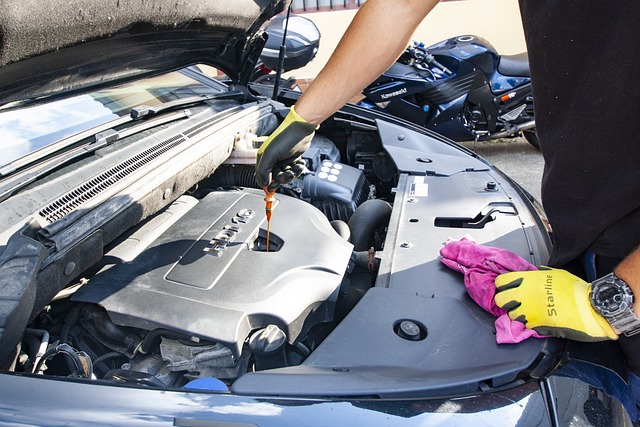
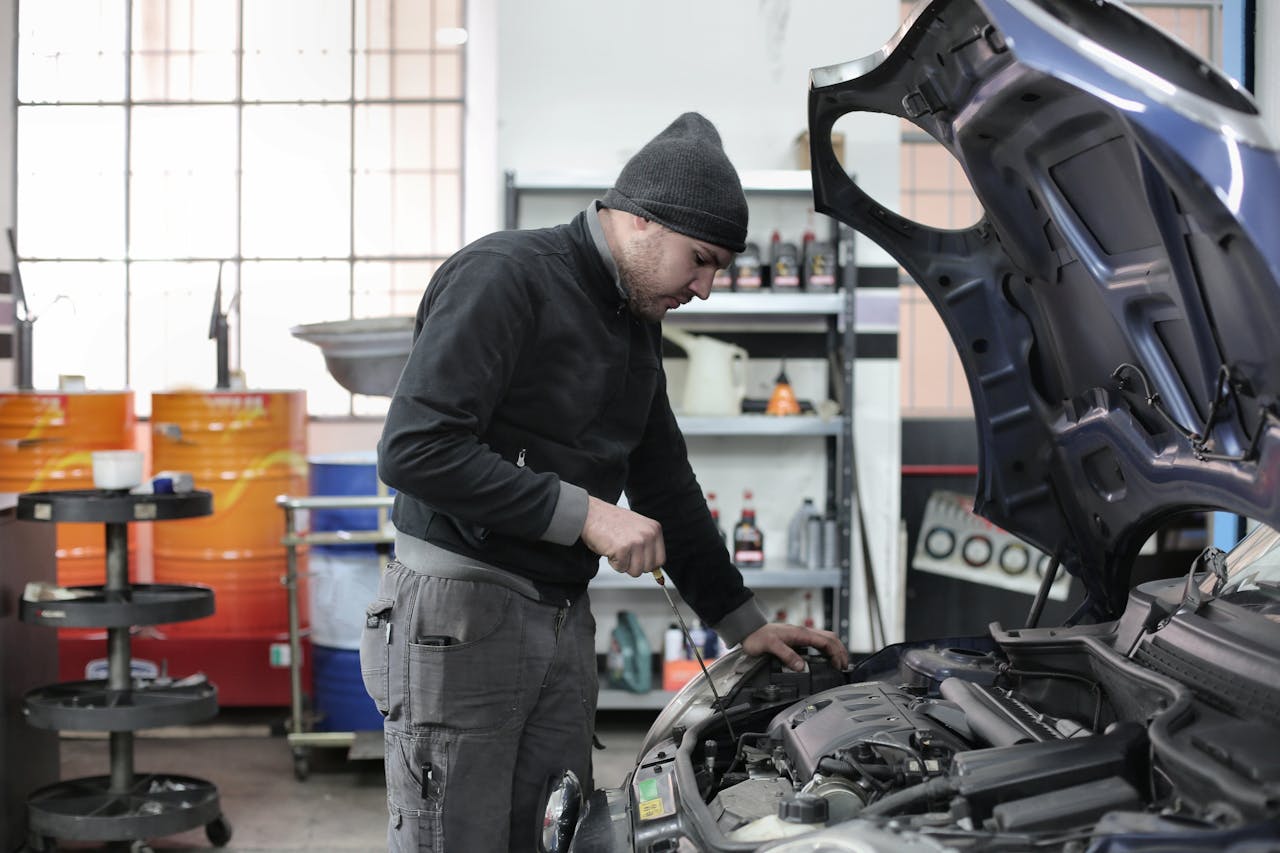
If the vehicle has a traditional dipstick, park on level ground and follow the owner’s manual regarding engine temperature and waiting time. Some manufacturers recommend checking with a cold engine; others specify a warm engine after it has been switched off for several minutes. Remove the dipstick, wipe it clean, reinstall it fully, and remove it again to read the level.
The oil should fall within the marked operating range. Do not overfill. Too much oil can cause aeration, increased crankcase pressure, leaks, or other problems. If oil must be added, use the exact viscosity and specification listed by the manufacturer.
Many newer vehicles use an electronic oil-level display instead of a dipstick. Follow the required menu, temperature, and parking conditions. An oil-life monitor is different from an oil-level indicator: a vehicle can show remaining oil life while still being low on oil.
Summer Oil Considerations
High ambient temperatures, extended idling, towing, steep grades, and long-distance travel can increase engine workload. Before summer, confirm both the level and the maintenance status. Check for wet areas around the oil pan, filter, drain plug, valve-cover area, and parking location.
Do not switch to a thicker oil merely because summer is hot unless the manufacturer specifically permits it. Modern engines rely on precise oil flow for variable valve timing, turbocharger lubrication, fuel economy, emissions systems, and bearing protection. The specified grade is chosen for the engine’s design and expected operating range.
Winter Oil Considerations
Cold oil flows more slowly during startup, when the engine needs lubrication quickly. Using the correct winter viscosity is therefore essential. A multi-grade oil such as a manufacturer-specified 0W-20 or 5W-30 is formulated to meet defined cold- and hot-temperature performance requirements. The right choice is the grade in the manual, not a general rule based only on climate.
Frequent short winter trips may prevent the engine from fully warming, allowing moisture and fuel dilution to accumulate more readily. If the manufacturer classifies the vehicle’s use as severe service, shorter change intervals may apply.
Signs the Oil Needs Immediate Attention
Arrange service if the oil-pressure warning light remains on, the engine makes unusual tapping or knocking sounds, the level drops repeatedly, or oil appears milky or foamy. A red oil-pressure warning can indicate inadequate lubrication; safely stop the engine as soon as conditions allow and follow the manufacturer’s guidance. Driving with insufficient oil pressure can cause rapid engine damage.
Engine Coolant: Prepare for Both Heat and Freezing Weather
Coolant circulates through the engine and related components to absorb heat, while the radiator releases much of that heat into the air. Proper coolant also provides freeze protection, raises the boiling point, lubricates certain cooling-system components, and contains additives that reduce corrosion.
Check the Level Safely
Inspect coolant only according to the owner’s manual, normally when the engine is completely cool. Many vehicles have a translucent expansion tank marked with minimum and maximum levels. Never remove a radiator cap or pressurized reservoir cap when the engine is hot. Hot coolant and steam can escape violently and cause serious burns.
If the level is low, use only the coolant type and mixture specified for the vehicle. Coolant color is not a reliable universal guide because different formulations can share similar colors, and the same chemistry may be sold in different colors. Mixing incompatible types may reduce corrosion protection or create deposits.
Why Coolant Matters in Summer
The cooling system faces its greatest thermal load during hot weather, heavy traffic, air-conditioning use, hill climbing, and towing. A low coolant level, restricted radiator, weak pressure cap, failing fan, damaged hose, worn water pump, or incorrect mixture can make overheating more likely.
Before summer, look for dried residue around hose connections, the reservoir, radiator seams, thermostat housing, and water-pump area. Coolant residue may appear crusty, chalky, or colored. A sweet odor after driving can also suggest leakage.
Why Coolant Matters in Winter
An appropriate coolant-water concentration protects the system against freezing. Plain water or an overly diluted mixture may freeze, expand, and damage the engine or cooling-system components. An excessively concentrated mixture is not automatically better; it can reduce heat-transfer performance and may provide less freeze protection beyond the recommended range.
A refractometer or appropriate coolant tester can evaluate freeze protection, but test interpretation and coolant compatibility matter. If the mixture is unknown, contaminated, rusty, oily, or overdue for service, professional testing and service may be the safest approach.
Do Not Ignore Coolant Loss or Overheating
Coolant is contained within a closed system. A recurring need to add it indicates a problem even when no puddle is visible. The leak could occur only when the system is hot and pressurized, or coolant could be entering the engine internally.
If the temperature gauge rises abnormally or an overheating warning appears, reduce risk by pulling over safely and shutting the engine off as directed by the manual. Do not open the cooling system while it is hot, and do not continue driving an overheating vehicle in hopes that the problem will resolve itself.
Brake Fluid: Inspect Level, Condition, and Service History
Brake fluid transfers force from the brake pedal through the hydraulic system. Many common brake fluids absorb moisture over time. Excess moisture can lower the fluid’s boiling point and contribute to internal corrosion, which is why some manufacturers specify replacement based on time as well as mileage.
How to Review Brake Fluid
The brake-fluid reservoir is commonly located near the rear of the engine compartment on the driver’s side, but layouts vary. Check the manual before touching it. On a translucent reservoir, the level can often be viewed without removing the cap. Keeping the cap closed helps prevent dirt and moisture from entering.
Use only the specified fluid classification, such as the exact DOT type listed for the vehicle. Do not assume that all brake fluids are interchangeable. Never introduce engine oil, transmission fluid, power-steering fluid, or any petroleum product into the brake reservoir; contamination can damage rubber components and create a major safety problem.
Does Brake Fluid Change With the Seasons?
Brake fluid does not normally require replacement every season, but seasonal inspection is valuable. Summer mountain driving, towing, or repeated hard braking can produce substantial heat. Winter moisture and temperature cycles can reveal existing hydraulic issues. The beginning of a season is a convenient time to review whether the time-based replacement interval is approaching.
Low Brake Fluid Requires Careful Evaluation
The fluid level may gradually move downward as disc-brake pads wear and caliper pistons extend. Simply filling the reservoir to the maximum mark without considering pad wear can cause overflow when new pads are installed and the pistons are retracted.
A sudden or significant drop, wetness near a wheel, a soft pedal, a brake warning light, or reduced braking performance may indicate a leak or another serious problem. Do not keep driving a vehicle with questionable braking ability. Arrange professional inspection or towing as appropriate.
Color Is Not the Only Test
Fresh brake fluid is often clear to amber, and it can darken with age. Yet color alone cannot measure moisture concentration or confirm the condition of the entire system. Follow the manufacturer’s replacement schedule and have the system evaluated if the fluid is contaminated or the service history is unknown.
Transmission Fluid: Pay Attention Before Demanding Seasonal Travel
Transmission fluid may lubricate gears and bearings, operate hydraulic controls, carry heat away, and support smooth shifting. Automatic, continuously variable, dual-clutch, and manual transmissions can require very different fluids and service procedures.
Determine Whether the Fluid Is Owner-Serviceable
Some vehicles have a transmission dipstick, but many modern models use sealed or dipstick-free designs. Their fluid level may need to be checked from underneath while the vehicle is level and the fluid is within a narrow temperature range. A scan tool may be required to verify temperature. This procedure is generally best left to a qualified technician.
If a dipstick is provided, follow the exact manual procedure. The transmission may need to be warm, the engine may need to be running, and the gear selector may need to be cycled through specific positions. A conventional engine-oil dipstick procedure should not be assumed.
Summer Stress on Transmission Fluid
Hot weather, towing, carrying heavy loads, mountain driving, sand, and stop-and-go traffic can raise transmission temperature. Heat accelerates fluid degradation and may expose a marginal cooling or hydraulic problem. Before demanding summer travel, check the maintenance schedule and inspect the parking area and transmission lines for leakage.
If the vehicle tows, verify the manufacturer’s towing requirements. Some models require more frequent transmission service under severe use or have specific cooling recommendations. Never exceed the vehicle’s rated capacity.
Winter Transmission Behavior
Cold fluid can make shifting feel different for a short period, particularly in older vehicles. Persistent slipping, delayed engagement, harsh shifts, shuddering, or unusual noises are not problems to dismiss as normal seasonal behavior. They warrant diagnosis.
Allowing gentle operation while the drivetrain warms is generally more useful than prolonged stationary idling, subject to the manual and local conditions. Avoid heavy acceleration immediately after a very cold start.
Use the Exact Fluid Specification
Transmission fluids are highly application-specific. A product described as broadly compatible may not satisfy the exact friction, viscosity, material, and performance requirements of a particular unit. Using an incorrect fluid can cause shift-quality problems or component damage. Confirm the specification before adding any amount.
Burnt odor, visible metal particles, a very low level, or recurrent leakage calls for professional attention. A fluid change is maintenance, not a guaranteed repair for an already failing transmission.
Power-Steering Fluid: Check It If Your Vehicle Uses It
Many newer vehicles use electric power steering and have no hydraulic steering fluid. Others use a conventional hydraulic or electro-hydraulic system with a reservoir, pump, lines, and specified fluid.
Seasonal Inspection Points
If the vehicle has a serviceable power-steering reservoir, follow the hot or cold level markings specified by the manufacturer. Inspect the reservoir, hoses, pump area, and ground beneath the vehicle for leakage. Whining during turns, increased steering effort, foamy fluid, or repeated low levels can indicate air entry, leakage, or component wear.
Cold weather can make marginal hydraulic problems more noticeable because the fluid is thicker. Summer heat can increase system temperature and reveal seepage. Neither condition justifies substituting an unapproved fluid.
Some systems use a dedicated power-steering product, while others specify a particular automatic-transmission fluid or another specialized hydraulic fluid. These products are not universally interchangeable. Consult the manual or a reliable service-information source for the exact specification.
Windshield Washer Fluid: Match It to the Weather
Washer fluid may seem less mechanically important than engine oil or coolant, but clear visibility is fundamental to safe driving. Mud, insects, road spray, salt film, pollen, and dust can quickly obscure the windshield.
Spring and Summer Washer-Fluid Needs
During spring, pollen and frequent rain can leave residue on the glass. Summer travel may bring insects, dust, and extended highway exposure. Keep the reservoir adequately filled and confirm that the pump and spray nozzles work. Clean or repair blocked nozzles rather than forcing sharp objects into them in a way that could alter the spray pattern.
Choose a product suitable for the expected temperature and cleaning needs. Avoid household dish soap or improvised mixtures; they may foam, leave residue, harm finishes, support biological growth, or freeze unexpectedly.
Autumn and Winter Freeze Protection
Before freezing conditions arrive, replace or sufficiently transition from a warm-weather formula to washer fluid rated for temperatures below the expected minimum. Residual summer fluid in the reservoir and lines can dilute the winter product, so the final freeze protection may not match the label on the new container.
Do not use engine antifreeze as windshield washer fluid. It is formulated for the cooling system, not windshield cleaning, and can create visibility, toxicity, and surface-contamination concerns.
If washer fluid freezes, do not repeatedly operate the pump. Doing so can damage it. Move the vehicle to a warmer location when practical and address the fluid mixture before returning to severe cold.
Differential and Transfer-Case Fluids
Rear-wheel-drive, four-wheel-drive, all-wheel-drive, and some front-wheel-drive vehicles use differentials, transfer cases, power-transfer units, or separate final-drive assemblies. These components contain lubricants that protect gears, bearings, clutches, and chains, depending on the design.
Why Include Them in Seasonal Planning?
These fluids usually do not need a driver-level check every season, but their maintenance history should be reviewed before demanding use. Towing, off-road travel, water crossings, heavy loads, mountain driving, and extended high-temperature operation may qualify as severe service and shorten fluid intervals.
Leaks can appear around axle seals, covers, drain plugs, fill plugs, or housings. A dark oily spot near an axle or under the center of the drivetrain deserves inspection. Low lubricant can damage gears and bearings before obvious symptoms develop.
Water Exposure Requires Special Attention
If a vehicle is driven through deep water, lubricant can become contaminated through vents or compromised seals. Milky fluid may indicate water intrusion. Because water depth limits and inspection procedures vary, follow the vehicle manufacturer’s guidance after water exposure. Off-road capability does not make every drivetrain assembly immune to contamination.
Transfer-case and differential lubricants can be very specific. Some limited-slip differentials require a particular formulation or additive, while modern all-wheel-drive units may use specialized fluids. Avoid choosing a lubricant only by viscosity.
Other Fluids and Systems Drivers May Encounter
Not every vehicle uses the same fluid systems. The owner’s manual remains the best starting point for identifying what the vehicle actually has.
Clutch Fluid
Vehicles with a hydraulic clutch may use a small reservoir or share the brake-fluid reservoir. A falling level, difficulty shifting, a pedal that stays near the floor, or fluid near the clutch master or slave cylinder can indicate a hydraulic problem. Use only the specified fluid and seek service if operation changes.
Diesel Exhaust Fluid
Many modern diesel vehicles use diesel exhaust fluid, commonly called DEF, as part of their emissions-control system. DEF is not a fuel additive and must go only into the designated tank. Cold weather behavior is accounted for in the vehicle’s design, but the tank still needs an adequate supply. A low level can trigger warnings and eventually restrict vehicle operation.
Use DEF that meets the specification in the manual, keep it free of contamination, and store it as directed. Putting DEF in the diesel fuel tank—or diesel fuel in the DEF tank—can cause serious damage and requires immediate professional help. Do not start the engine if a misfill occurs.
Battery Electrolyte in Serviceable Batteries
Most modern passenger vehicles use maintenance-free batteries that should not be opened. A smaller number have removable caps and manufacturer-defined electrolyte inspection procedures. Battery acid is corrosive and hazardous; inexperienced drivers should leave testing and service to a professional. Never add fluid to a sealed battery.
Hybrid and Electric-Vehicle Coolants
Hybrid and electric vehicles may have multiple cooling circuits for the engine, inverter, power electronics, battery, drive unit, or charging hardware. These systems may use specialized coolants and bleeding procedures. High-voltage components introduce hazards that require trained service practices.
Owners can often visually check marked reservoirs if the manual permits it, but they should not open high-voltage cooling systems or improvise repairs. A warning message, low reservoir, or visible leak should be assessed by a qualified technician familiar with the vehicle.
Air-Conditioning Refrigerant Is Not a Routine Top-Off Fluid
Air-conditioning refrigerant circulates in a sealed system. Reduced cooling usually indicates a leak or another system problem, not normal seasonal consumption. DIY recharge cans can lead to overcharging, introduce sealers or contaminants, and mask the leak. Proper diagnosis involves pressure and temperature measurements, leak detection, correct refrigerant identification, and responsible recovery equipment.
A Practical Fluid Checklist for Each Season
Seasonal checks become easier when matched to the demands likely to occur next.
Spring Checklist
Spring is a good time to look for the effects of winter and prepare for rain and warmer driving.
- Check engine-oil level and review the next change interval.
- Inspect the coolant reservoir when the engine is cold and look for winter-related leaks.
- Confirm that the washer system sprays correctly and refill with an appropriate cleaning formula.
- View the brake-fluid level without unnecessarily opening the reservoir.
- Check transmission and power-steering fluids if the manufacturer provides owner-serviceable procedures.
- Look beneath the vehicle for fresh stains after it has been parked overnight.
- Review differential and transfer-case service if the vehicle was used in snow, deep water, or severe winter conditions.
Summer Checklist
Summer preparation should emphasize heat management and long-trip reliability.
- Confirm engine oil is full and not overdue for service.
- Check coolant level only when cold; inspect hoses and visible connections.
- Review transmission-fluid maintenance, especially before towing or mountain travel.
- Fill washer fluid for insects, dust, and highway grime.
- Verify brake-fluid service history before trips involving steep roads or heavy loads.
- Inspect for leaks that become more visible when fluids and components are hot.
- Carry only compatible, correctly labeled fluid if the manufacturer recommends having spare supplies.
Autumn Checklist
Autumn is the time to transition from warm-weather products and correct small issues before winter.
- Verify coolant concentration and freeze protection if cold weather is expected.
- Replace warm-weather washer fluid with a winter-rated formula early enough to circulate it through the lines.
- Check engine-oil level and confirm that the specified viscosity is being used.
- Look for battery and charging issues that could complicate cold starts, even though most batteries have no serviceable fluid.
- Inspect hydraulic steering fluid where applicable for leaks or foaming.
- Review maintenance records for brake, transmission, differential, and transfer-case fluids.
Winter Checklist
Winter checks focus on freeze protection, cold-start performance, and visibility.
- Keep the fuel tank reasonably supplied and maintain DEF where applicable.
- Monitor engine-oil level, particularly if the engine has known oil consumption.
- Confirm coolant level only when the engine is cold; investigate any reduction.
- Maintain winter-rated washer fluid and keep an unopened compatible supply if useful.
- Watch for new leaks after severe temperature drops.
- Pay attention to delayed shifting, steering noise, warning lights, or slow hydraulic response.
- Never substitute hot water for proper deicing or washer-fluid practices; rapid temperature changes can damage glass.
How to Identify Common Automotive Fluids
A stain under the vehicle can offer clues, but color should never be treated as definitive identification. Fluid colors vary by brand, age, lighting, contamination, and vehicle application.
Engine oil may range from amber to dark brown or black. Automatic-transmission fluid is often red or amber when new but can be other colors. Coolant may be green, orange, yellow, pink, blue, or another shade. Brake fluid is commonly clear to amber and may darken with age. Washer fluid is frequently blue but is sold in many colors. Gear oil is generally thick and may have a strong sulfur-like odor.
Instead of touching or smelling an unknown fluid closely, note where the stain appears, its approximate color and consistency, and whether it returns. Use cardboard beneath the parked vehicle if needed to locate a drip without crawling under an unsupported vehicle. Keep children and animals away from all automotive fluids, particularly coolant, which can be highly toxic if swallowed.
Safe Fluid-Checking Practices
Basic inspections can be useful, but safe procedure matters.
Start With the Owner’s Manual
Locate the correct reservoirs, jack-free inspection points, specifications, and temperature requirements before beginning. Reservoir caps may use symbols rather than words. Opening the wrong system or adding fluid to the wrong location can cause expensive damage.
Park Safely
Use a level surface, engage the parking brake, select Park or the appropriate gear, and keep loose clothing and tools away from moving or hot parts. Do not work beneath a vehicle supported only by a jack. For a simple fluid check, there should usually be no need to lift the vehicle.
Keep Fluids Clean
Wipe dirt away from caps before opening them. Use clean funnels dedicated to each fluid type. A funnel with traces of oil should not be used for brake fluid or coolant. Reseal containers promptly and label any transferred product clearly—although keeping fluid in its original container is preferable.
Avoid Overfilling
More fluid is not necessarily better. Overfilled engine oil, transmission fluid, coolant, or power-steering fluid can foam, expand, leak, or interfere with system operation. Respect hot and cold level markings.
Handle and Dispose of Fluids Responsibly
Automotive fluids can be toxic, flammable, corrosive, or environmentally damaging. Wear appropriate protection, clean spills promptly, and keep products away from children and pets. Used oil, coolant, brake fluid, and other products should go to an authorized collection or recycling facility according to local requirements. Do not pour them onto the ground, into drains, or into ordinary water systems.
When a Fluid Check Should Become a Professional Inspection
Routine checks are intended to find problems early. They should not be used to postpone repairs. Arrange professional help when:
- A warning light or temperature alert appears.
- A reservoir is empty or the level drops repeatedly.
- Brake or steering performance changes.
- The transmission slips, shudders, delays engagement, or shifts harshly.
- Coolant appears oily, engine oil appears milky, or any fluid contains particles.
- A fluid smells burnt or a new strong odor enters the cabin.
- A large puddle forms under the vehicle.
- The correct fluid cannot be identified with confidence.
- The system is sealed or requires temperature-controlled level setting.
- A hybrid or electric vehicle shows a coolant or high-voltage-system warning.
An inspection can identify whether the issue is a loose connection, deteriorated hose, worn seal, damaged component, overdue service, or internal failure. Correct diagnosis is more valuable than repeatedly topping off an unknown leak.
Building a Year-Round Fluid Maintenance Routine
A useful routine does not need to be complicated. Set four reminders tied to the beginning of spring, summer, autumn, and winter. Add checks before long trips, towing, extreme weather, or a major change in vehicle use.
Keep a simple maintenance record containing the date, mileage, observed level, product added, quantity, and any symptoms. Photographing reservoir levels or parking stains can help track gradual changes. Retain service receipts and record the exact fluid specifications used.
The ideal frequency depends on the vehicle. An older car with known consumption or seepage may need weekly checks. A newer vehicle without fluid loss may need less frequent owner inspection, though checking before long travel remains wise. Follow any manufacturer recommendation that calls for more frequent attention.
Drivers should also consider the broader systems associated with each fluid. Coolant condition matters, but so do hoses, fans, belts, and the radiator. Washer fluid matters, but so do wiper blades. Brake fluid matters, but so do pads, rotors, hoses, and tires. A fluid check is most effective as part of a complete seasonal vehicle inspection.
Conclusion
The most important fluids to check each season are engine oil, coolant, brake fluid, transmission fluid, power-steering fluid when equipped, and windshield washer fluid. Depending on the vehicle and its use, differential fluid, transfer-case fluid, clutch fluid, diesel exhaust fluid, and specialized hybrid or electric-vehicle coolants may also deserve attention.
Seasonal inspection does not mean replacing every fluid every few months. It means confirming correct levels, looking for contamination and leaks, reviewing maintenance history, and preparing each system for the weather and driving demands ahead. Summer heat makes cooling, lubrication, and transmission performance especially important. Winter brings concerns about freeze protection, cold fluid flow, and visibility. Spring and autumn provide natural opportunities to recover from the previous season and prepare for the next.
Above all, use the specifications and procedures in the owner’s manual. Do not mix products based on color, open a hot cooling system, overfill reservoirs, or ignore repeated fluid loss. A few minutes of careful inspection can reveal a developing issue before it becomes a roadside emergency or major repair.
Frequently Asked Questions
Which vehicle fluids should I check most often?
Engine oil and windshield washer fluid commonly need the most frequent owner attention. Coolant and brake-fluid levels should also be reviewed regularly, while transmission and power-steering fluids can be checked when the vehicle provides an approved owner-serviceable method. The owner’s manual gives the correct schedule and procedure.
Do I need to change every vehicle fluid each season?
No. Seasonal checks are primarily inspections. Replace a fluid according to the manufacturer’s time, mileage, condition, or usage recommendations. Changing serviceable fluid unnecessarily can waste material, while using the wrong replacement can create problems.
Should I use thicker engine oil in summer and thinner oil in winter?
Use only a viscosity grade approved by the vehicle manufacturer. Modern multi-grade oils are designed to function across a broad temperature range. Changing viscosity based on a general seasonal rule can interfere with lubrication and engine systems if that grade is not approved.
Can I add water when the coolant level is low?
Only follow the manufacturer’s directions. Adding plain water can alter freeze, boil, and corrosion protection. In an emergency, the manual may provide specific instructions, but the leak and final mixture should still be corrected. Never add cold liquid to a dangerously hot system or open a pressurized hot cap.
Why does my coolant level keep dropping without a visible puddle?
The system may leak only when hot and pressurized, allowing coolant to evaporate from a small seep. Coolant may also enter the passenger compartment or engine internally. Recurring loss requires inspection even when the parking surface stays dry.
Is dark transmission fluid always bad?
Not necessarily. Color varies by fluid type and service history, and some normal darkening may occur. Burnt odor, particles, low level, leakage, shifting symptoms, mileage, and manufacturer guidance provide more useful context. Have the transmission assessed if its behavior changes.
Can I mix two coolant colors if both containers say antifreeze?
Do not rely on color or the word antifreeze. Coolant chemistries and manufacturer approvals differ, and incompatible products can reduce protection or form deposits. Use the exact specified coolant and mixture.
Why is brake fluid lower than it was last season?
The level may gradually fall as brake pads wear, but leakage is also possible. A sudden decrease, warning light, soft pedal, visible wetness, or braking change requires immediate attention. Do not assume that adding fluid solves the cause.
Does an electric vehicle have fluids to check?
Yes. Electric vehicles may use coolant for the battery, power electronics, drive unit, or charging system, along with brake fluid and washer fluid. Some drive units also contain lubricant. Procedures are model-specific, and high-voltage-related systems should be serviced by qualified personnel.
How can I tell what fluid is leaking under my car?
Location, color, thickness, and odor can provide clues, but none is conclusive. Place clean cardboard under the parked vehicle, note where the stain forms, and arrange an inspection. Avoid direct contact, keep pets away, and never taste or closely inhale an unknown automotive fluid.
What fluid should I check before a summer road trip?
Review engine oil, coolant, brake fluid, washer fluid, and any owner-serviceable transmission or power-steering fluid. Also check service history for drivetrain fluids if the trip involves towing, mountains, or heavy loads. A complete pre-trip inspection should include tires, brakes, battery, belts, hoses, lights, and wipers as well.
What is the most important fluid to prepare for winter?
There is no single answer because several systems are essential. Coolant needs adequate freeze protection, engine oil must meet the approved cold-weather viscosity, and washer fluid must be rated below expected temperatures. Each serves a different safety or reliability function.
Can I top off fluid when I do not know what is already in the system?
It is safer to identify the existing specification first. Mixing unknown products can create compatibility problems. Check service records, the owner’s manual, reservoir labels, or professional service information. If the fluid is contaminated or its identity cannot be confirmed, have the system inspected.
How often should I look under my vehicle for leaks?
A quick glance whenever you leave a parking space can help, with a more deliberate check at every seasonal change and before long travel. If the vehicle is older, recently repaired, or known to consume fluid, check more frequently.
Can seasonal fluid checks prevent every breakdown?
No, but they can reduce risk by revealing low levels, leaks, overdue maintenance, and contamination before symptoms become severe. They work best alongside scheduled service and attention to warning lights, noises, odors, and changes in vehicle operation.
Is Your Car Ready for the Changing Season?
Seasonal changes can take a toll on your vehicle, from colder mornings and wet roads to summer heat and longer drives. Staying ahead of seasonal maintenance can help prevent unexpected problems and keep your car running safely and reliably throughout the year.
At autoTECH Blackhawk, our team can help make sure your vehicle is prepared for whatever the season brings. We’ll inspect key areas such as your tires, brakes, battery, fluids, cooling system, wipers, and other important components that can be affected by changing temperatures and driving conditions.
Seasonal car care isn’t about replacing parts you don’t need. It’s about catching small concerns early, keeping up with recommended maintenance, and making sure your vehicle is ready for the road ahead. Our team will clearly explain what we find and provide honest recommendations based on your vehicle’s actual condition.
autoTECH Blackhawk uses high-quality, manufacturer-recommended parts and backs qualifying repairs with an industry-leading 3-year/36,000-mile warranty, giving you added confidence after your visit.
Don’t wait for a seasonal change to turn into an unexpected repair. Contact the friendly team at autoTECH Blackhawk today to schedule your seasonal car care appointment and keep your vehicle ready for the months ahead.