Owning a car provides convenience, independence, and flexibility, but it also comes with a wide range of expenses that extend far beyond the initial purchase price. While most drivers plan for obvious costs such as fuel, insurance, and routine maintenance, many hidden expenses build up quietly over time and can significantly impact long-term budgets without immediate notice.
These overlooked costs often include gradual increases in maintenance needs as vehicles age, unexpected repair bills, and the long-term financial impact of depreciation. Even small expenses—like parking fees, tolls, or minor replacements—can accumulate into a substantial yearly amount. In many cases, drivers underestimate how much their driving habits, vehicle condition, and external factors contribute to overall ownership costs.
Another commonly ignored factor is the rising cost of repairs as a vehicle gets older. Components naturally wear out, and systems such as the engine, transmission, and electrical parts may require attention that becomes increasingly expensive. Additionally, modern vehicles with advanced technology can introduce higher repair and diagnostic costs when issues arise.
Insurance adjustments, financing interest, and reduced fuel efficiency over time can also add to the total cost of ownership. These expenses are not always obvious on a monthly basis, but they have a major impact when viewed annually or over the lifespan of the vehicle.
This article breaks down the most commonly overlooked costs of car ownership, helping you understand the full financial picture. By recognizing these hidden expenses early, you can plan more effectively, reduce financial surprises, and make smarter decisions about whether to maintain or replace your vehicle in the long run.
Key Takeaways
- Depreciation is one of the largest hidden costs, significantly reducing your car’s value over time.
- Financing and interest charges can add thousands of dollars to your total vehicle cost.
- Insurance premiums can increase unexpectedly due to various internal and external factors.
- Maintenance costs go beyond routine services and can include expensive repairs.
- Fuel expenses are often underestimated, especially when factoring in efficiency and price fluctuations.
- Registration fees, taxes, and government charges contribute to ongoing ownership costs.
- Parking fees and tolls can become substantial, particularly in urban areas.
- Time and opportunity costs impact both your finances and lifestyle.
The True Cost of Depreciation
One of the most significant hidden costs of owning a car is depreciation. The moment a new vehicle leaves the dealership, its value begins to decline sharply. Many owners focus on monthly payments or fuel expenses but overlook how quickly their car is losing long-term value. This decline happens regardless of how well the vehicle is maintained or how carefully it is driven.
On average, a new car can lose around 20% to 30% of its value within the first year alone. Within five years, total depreciation may reach 50% or more, depending on the make, model, mileage, and market demand. This means that even if the vehicle runs perfectly, its resale or trade-in value can be far lower than expected.
This hidden cost becomes more noticeable when owners decide to sell or upgrade their vehicle. If there is still an active auto loan, depreciation can create financial imbalance where the remaining loan balance is higher than the car’s market value. This situation is commonly referred to as being “upside down” on a loan and can make upgrading more expensive than anticipated.
Understanding depreciation is essential because it affects the true cost of ownership more than most drivers realize. It is not a monthly bill but a gradual financial loss that accumulates over time.
Choosing Value-Retaining Vehicles
Some vehicles depreciate more slowly than others, depending on brand reputation, reliability, fuel efficiency, and market demand. Researching resale value before purchasing can help reduce long-term losses.
Buying Used to Reduce Depreciation Impact
Many drivers choose used vehicles because they avoid the steepest part of depreciation. Since the biggest value drop happens in the first few years, used cars often provide better long-term financial stability while still offering reliable performance.
Financing and Interest Charges
Another commonly overlooked expense is the cost of financing. While monthly payments may seem manageable, many car owners don’t fully consider how much they’re paying in interest over the life of a loan.
Even a relatively low interest rate can add thousands of dollars to the total cost of your vehicle. For example, a five-year loan with moderate interest can significantly increase what you ultimately pay compared to the original purchase price.
Longer loan terms may reduce monthly payments, but they often lead to higher overall costs due to accumulated interest. Additionally, some buyers roll over debt from a previous car loan into a new one, compounding the financial burden.
There are also potential fees associated with financing, such as loan origination fees, late payment penalties, and prepayment penalties in some cases. These charges may not be obvious upfront but can add to the overall cost.
To reduce financing expenses, it’s important to shop around for competitive loan rates, consider shorter loan terms when possible, and avoid borrowing more than you can comfortably repay. Understanding the full cost of financing ensures you’re not paying far more than necessary for your vehicle.
Insurance Premium Increases
Insurance is a well-known cost of car ownership, but what many drivers overlook is how much it can fluctuate over time. Insurance premiums can increase due to factors beyond your control, making it a hidden and unpredictable expense.
For instance, changes in your driving record, such as accidents or traffic violations, can lead to higher premiums. Even if you maintain a clean record, external factors like rising repair costs, increased accident rates in your area, or changes in insurance regulations can cause your rates to go up.
The type of car you drive also plays a significant role. Vehicles with expensive parts, high theft rates, or advanced technology can cost more to insure. Additionally, as your car ages, you may need to adjust your coverage, which can impact your overall costs.
Another hidden factor is the deductible. While choosing a higher deductible can lower your monthly premium, it also means paying more out of pocket in the event of a claim.
To manage insurance costs effectively, regularly review your policy, compare quotes from different providers, and consider bundling insurance products. Staying proactive can help you avoid unexpected increases and keep your expenses under control.
Unexpected Repairs That Add Up
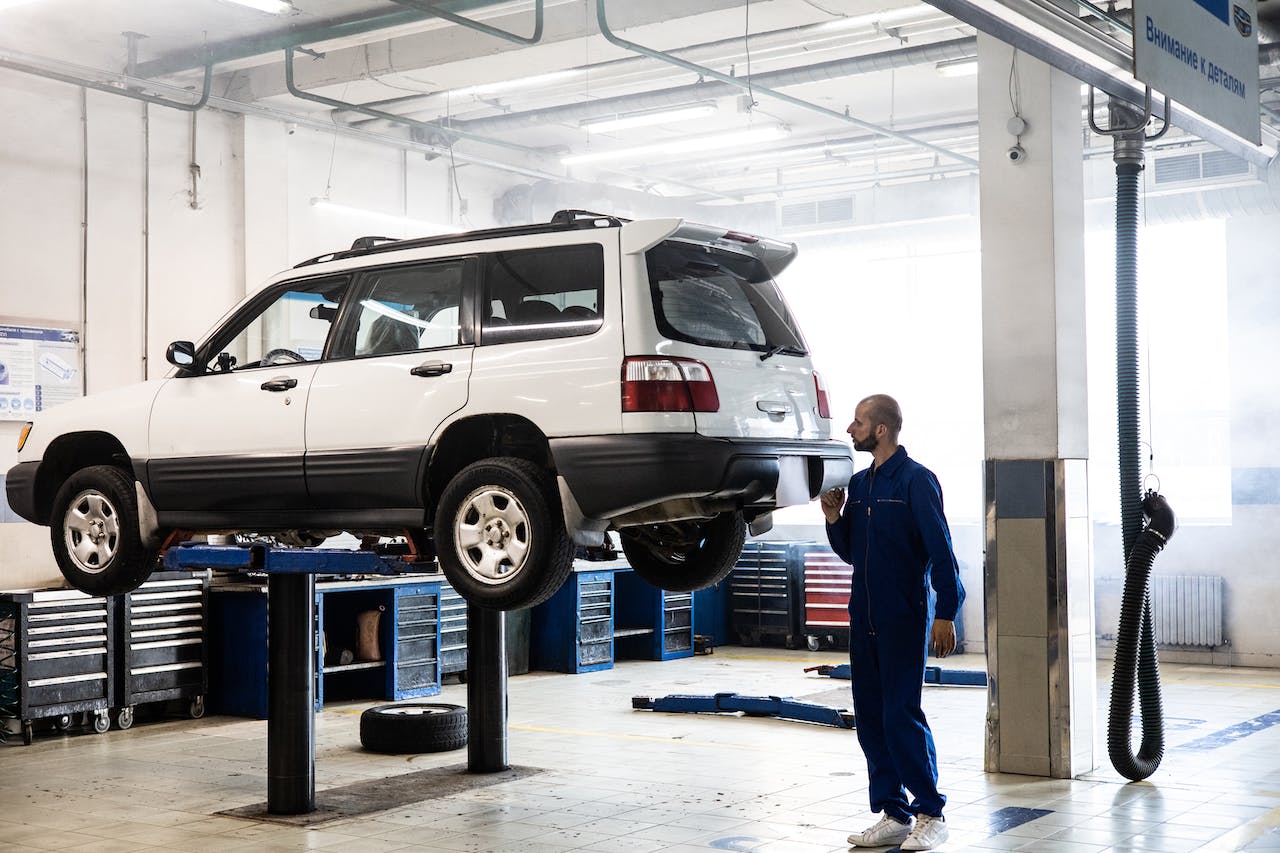
Most car owners plan for routine maintenance such as oil changes, tire rotations, and fluid checks. These are predictable and usually budgeted for. However, what often gets overlooked are the non-routine repairs that naturally occur as a vehicle ages. These unexpected issues can significantly increase the true cost of ownership over time.
As vehicles accumulate mileage, key components such as brakes, suspension systems, batteries, alternators, and transmissions begin to wear down. Unlike routine services, these repairs are often sudden and more expensive. In many cases, they arise without warning, especially if early warning signs were missed or ignored.
Major repairs can be especially costly. Transmission replacements or engine-related issues can reach thousands of dollars, depending on the severity of the damage and the type of vehicle. Even smaller repairs—such as replacing oxygen sensors, ignition coils, or electronic modules—can quickly add up, particularly in modern vehicles that rely heavily on computerized systems.
Increasing Complexity of Modern Vehicles
Today’s vehicles are more advanced than ever, which also means repairs are more complex. Features like advanced driver assistance systems, touchscreen controls, and integrated sensors improve safety and convenience, but they also increase repair costs when something goes wrong. Diagnosing these systems often requires specialized tools and trained technicians, raising labor expenses.
Frequency of Maintenance Over Time
Another hidden factor is how often maintenance is required as a vehicle ages. Older cars typically need more frequent servicing due to wear and environmental exposure. Driving conditions, climate, and usage patterns can further accelerate this need, increasing overall ownership costs.
Planning for Long-Term Maintenance Costs
While preventive maintenance reduces the risk of major breakdowns, it cannot eliminate them entirely. Setting aside a dedicated repair fund helps car owners manage unexpected expenses without financial stress. Understanding that maintenance goes far beyond routine services allows for better long-term budgeting and more realistic expectations of vehicle ownership costs.
Fuel Efficiency Miscalculations
Fuel costs are one of the most obvious expenses of car ownership, but many drivers underestimate how much they truly spend over time. Small differences in fuel efficiency can lead to significant cost variations, especially for those who drive frequently.
For example, choosing a vehicle with slightly lower fuel efficiency may not seem like a big deal initially, but over several years, the extra fuel consumption can add up to thousands of dollars.
Driving habits also play a role. Aggressive driving, frequent short trips, and poor vehicle maintenance can reduce fuel efficiency, increasing overall costs. Additionally, fluctuations in fuel prices can make budgeting for fuel more challenging.
Another overlooked factor is the type of fuel required. Some vehicles require premium fuel, which is more expensive than regular gasoline, adding to long-term costs.
To minimize fuel-related expenses, consider choosing a fuel-efficient vehicle, maintaining proper tire pressure, and adopting efficient driving habits. Tracking your fuel usage can also provide valuable insights into your spending and help you identify areas for improvement.
Registration, Taxes, and Fees
Ongoing Costs You Can’t Avoid
One of the most commonly overlooked expenses in car ownership is the ongoing cost of registration, taxes, and government-related fees. While these costs may seem minor compared to fuel or insurance, they are recurring obligations that can significantly add up over the lifetime of a vehicle. Many car owners focus on upfront and visible expenses but forget that legal ownership comes with continuous financial responsibilities.
Annual registration fees are required to legally operate a vehicle on public roads. These fees vary widely depending on location, vehicle classification, weight, and market value. In many regions, newer or higher-value vehicles come with higher registration costs, meaning the financial burden increases depending on what you drive. These fees are not optional and must be paid consistently each year to avoid penalties or fines.
Sales tax is another major expense that is often underestimated during the vehicle purchase process. Depending on the region, this tax can add a substantial amount to the total cost of buying a car. In some cases, additional local or environmental taxes may also apply, further increasing the overall expense of ownership.
Additional Administrative and Compliance Fees
Beyond registration and taxes, there are several smaller but recurring costs that many drivers overlook. These include emissions testing, safety inspections, title transfers, and documentation fees. While each fee may appear minimal on its own, together they contribute to a meaningful portion of annual car ownership costs. These expenses are often required by law and cannot be avoided if you want to keep your vehicle compliant.
Why These Costs Matter in Long-Term Budgeting
Because these fees are predictable yet often forgotten, they can create gaps in a driver’s financial planning. Failing to account for them may lead to unexpected budget strain when renewal time arrives. Including registration, taxes, and government fees in your yearly car ownership estimate helps create a more accurate financial picture and prevents unnecessary surprises.
Parking and Tolls
Parking and tolls are often overlooked but can become substantial expenses, especially for drivers in urban areas or those who frequently travel.
Daily parking fees, monthly parking permits, and occasional fines for violations can quickly add up. In some cities, parking costs can rival or even exceed other car-related expenses.
Tolls are another hidden cost that many drivers underestimate. Regular use of toll roads, bridges, or tunnels can significantly increase your transportation expenses over time.
Even occasional trips can add up if toll rates are high or if you frequently travel during peak hours. Electronic toll systems make it easy to pay, but they can also make it easier to lose track of how much you’re spending.
Planning routes, using public transportation when feasible, and budgeting for these expenses can help you manage parking and toll costs more effectively.
Time and Opportunity Costs
Beyond direct financial expenses, car ownership also involves time and opportunity costs that are often overlooked. These costs may not appear on a bill, but they still impact your overall quality of life and financial well-being.
Time spent on maintenance, repairs, refueling, and commuting could be used for other productive or enjoyable activities. Long commutes, in particular, can reduce personal time and increase stress.
Opportunity cost refers to what you could have done with the money spent on your car. For example, the funds used for car payments, insurance, and maintenance could potentially be invested or saved for other financial goals.
Additionally, unexpected car issues can disrupt your schedule, leading to missed work or additional expenses for alternative transportation.
While these costs are less tangible, they are still important to consider when evaluating the true cost of owning a vehicle. Recognizing these factors can help you make more informed decisions about your transportation needs.
Conclusion
Car ownership is often more complex—and more expensive—than it first appears. While most drivers account for obvious expenses like fuel, insurance, and routine servicing, many hidden costs gradually build up over time without being immediately noticeable. These include depreciation, financing interest, unexpected repairs, maintenance beyond routine services, and ongoing fees such as registration and taxes. Each of these factors contributes to the true long-term cost of owning a vehicle.
By understanding the full range of ownership expenses, drivers can make more informed decisions when buying, maintaining, or replacing a car. This broader awareness helps reveal whether a vehicle is still financially practical or becoming too costly to keep. It also highlights how small, repeated expenses can add up to a significant yearly burden when viewed as a whole.
Budgeting for these hidden costs is essential for avoiding financial surprises. Instead of reacting to unexpected expenses, drivers who plan ahead are better prepared to manage repairs, replacements, and long-term obligations without stress.
Taking a proactive approach can also reduce overall spending. Choosing a reliable vehicle, following a consistent maintenance schedule, improving driving habits, and regularly reviewing insurance and ownership costs all contribute to better financial control.
Ultimately, smart car ownership is not just about managing monthly payments—it is about understanding the total cost of keeping a vehicle on the road. Awareness and planning are the key factors that help ensure your car remains a useful, reliable, and financially manageable part of your life over time.
Frequently Asked Questions
What is the most overlooked cost of owning a car?
Depreciation is often the most overlooked cost, as it significantly reduces the car’s value over time without being immediately noticeable.
How can I reduce hidden car ownership costs?
You can reduce costs by choosing a fuel-efficient and reliable vehicle, maintaining it regularly, comparing insurance rates, and avoiding long-term financing with high interest.
Are older cars cheaper to maintain?
Not always. While older cars may have lower purchase prices, they often require more frequent and costly repairs, which can increase overall expenses.
Why do insurance premiums increase even without accidents?
Premiums can rise due to external factors such as increased repair costs, changes in regulations, or higher claim rates in your area.
How do fuel efficiency differences impact long-term costs?
Even small differences in fuel efficiency can lead to significant cost variations over time, especially for drivers with high mileage.
Should I consider opportunity cost when owning a car?
Yes, considering opportunity cost helps you understand how your spending on a car affects your ability to save or invest money elsewhere.
Control the True Cost of Car Ownership With Smart Planning at autoTECH Blackhawk
Owning a car costs more than just the purchase price. Fuel, insurance, repairs, and routine maintenance all add up over time. The difference between manageable costs and expensive surprises often comes down to how well your vehicle is maintained.
At autoTECH Blackhawk, we help you take control of those costs with a proactive approach. Instead of reacting to breakdowns, we create a maintenance plan based on your vehicle, mileage, and driving habits. This keeps everything on track and helps you avoid the kind of repairs that hit your wallet the hardest.
Regular services like oil changes, brake inspections, fluid checks, and tire rotations might seem small, but they play a big role in preventing major issues. Staying consistent with these services can extend the life of your car, improve fuel efficiency, and reduce the risk of costly repairs.
Our goal is simple. Help you spend less over time while keeping your vehicle reliable. With experienced technicians, quality parts, and a 3-year, 36,000-mile warranty on qualifying work, you get peace of mind every time you drive.
Want to lower your long-term vehicle costs and avoid unexpected expenses? Contact autoTECH Blackhawk today and let our team build a plan that works for you.