
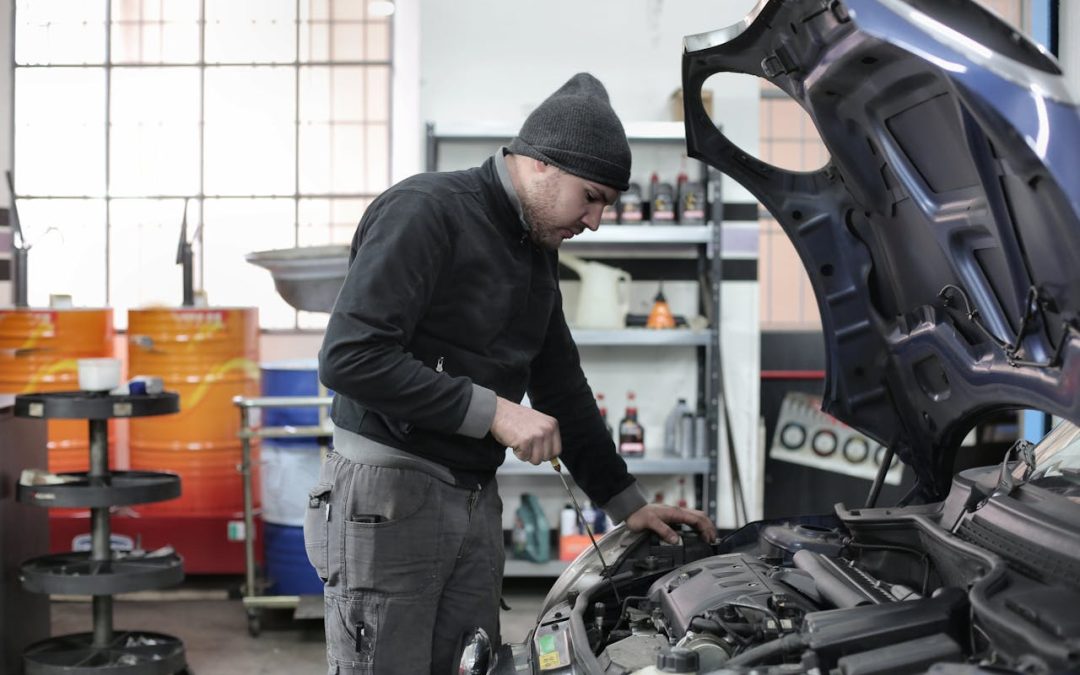
Car repairs are an unavoidable part of vehicle ownership, yet they often surprise drivers when they happen. From sudden breakdowns to gradual wear-and-tear issues, repair costs can quickly disrupt even a well-planned budget if you are not prepared. The reality is that every vehicle will eventually need repairs beyond routine maintenance, and those expenses can vary widely depending on the age, condition, and usage of the car.
The good news is that you can take control of these costs with proper planning and smart financial habits. Instead of reacting to unexpected problems, building a proactive strategy allows you to stay financially stable while keeping your vehicle in reliable condition. This includes understanding common repair expenses, recognizing early warning signs, and preparing for both minor and major issues before they occur.
Another important step is setting aside a dedicated repair fund so you are not forced to rely on credit or emergency borrowing when something goes wrong. Small, consistent savings can make a big difference over time and reduce financial stress when repairs are needed.
This guide will walk you through practical strategies to budget for car repairs effectively, helping you reduce financial surprises, improve long-term planning, and maintain your vehicle with confidence instead of stress.
Key Takeaways
- Car repairs are inevitable, so planning ahead is essential for reducing stress.
- Creating a dedicated repair fund helps you avoid financial emergencies.
- Estimating future repair costs allows for better budgeting and preparation.
- Regular maintenance can prevent expensive repairs and extend your car’s lifespan.
- Insurance and warranties can help but should not replace your repair savings.
- Avoid relying on high-interest debt to cover repair costs.
- Regularly adjust your budget to reflect changes in your vehicle and finances.
- Preparation and consistency are the keys to stress-free car ownership.
Understanding the True Cost of Car Repairs
Many car owners underestimate how much repairs can cost over time. While routine maintenance like oil changes and tire rotations are relatively affordable, unexpected repairs—such as transmission issues, engine problems, or electrical failures—can cost hundreds or even thousands of dollars. The key to stress-free budgeting is recognizing that these costs are not “unexpected” but rather inevitable.
Vehicles are made up of complex systems that degrade with use. Factors such as mileage, driving conditions, and vehicle age all influence how often repairs are needed. For instance, older vehicles typically require more frequent repairs, while newer cars may have fewer issues but can be more expensive to fix due to advanced technology.
Another important factor is variability. Repair costs are not consistent; one year you may spend very little, while the next could bring a major expense. This unpredictability is what makes budgeting challenging for many drivers.
Instead of viewing repairs as rare emergencies, it’s more helpful to think of them as a regular part of car ownership. This mindset shift allows you to plan ahead rather than react under pressure. By understanding the true cost of repairs and acknowledging their inevitability, you can begin building a financial strategy that keeps you prepared for whatever your vehicle needs.
Creating a Dedicated Car Repair Fund
One of the most effective ways to reduce financial stress is to create a dedicated car repair fund. This is a separate savings account specifically set aside for vehicle-related expenses. By isolating these funds, you avoid dipping into your emergency savings or relying on credit cards when repairs arise.
Start by determining how much you should save. A common rule of thumb is to set aside $50 to $150 per month, depending on your vehicle’s age, condition, and usage. If you drive frequently or own an older car, you may want to aim for the higher end of that range.
Consistency is key. Treat your repair fund like a non-negotiable monthly expense, similar to rent or utilities. Automating your savings can make this process easier and ensure you stay on track.
Over time, your fund will grow, giving you a financial cushion to handle both minor and major repairs. Ideally, you should aim to build a reserve of at least $1,000 to $2,000, though this amount may vary based on your vehicle and personal circumstances.
Having a dedicated repair fund provides peace of mind. Instead of worrying about how you’ll pay for unexpected issues, you’ll know you have the resources ready. This proactive approach not only reduces stress but also helps you avoid debt and maintain better control over your finances.
Estimating Future Repair Costs
Planning for car repairs becomes much easier when you have a rough idea of what to expect. While it’s impossible to predict every issue, you can estimate future costs based on your vehicle’s make, model, age, and maintenance history.
Start by researching common problems associated with your specific vehicle. Some cars are known for certain issues, such as transmission failures or electrical problems. Understanding these patterns can help you anticipate potential expenses.
Mileage is another important factor. As your car reaches certain milestones—such as 50,000, 75,000, or 100,000 miles—specific components may need replacement. These can include timing belts, brake systems, and suspension parts, all of which can be costly.
You can also review your past repair history to identify trends. If you’ve already replaced certain components, you may not need to worry about them again for a while. However, other parts may be nearing the end of their lifespan.
Online repair cost estimators and consultations with trusted mechanics can provide additional insights. While these estimates won’t be exact, they can give you a realistic range to work with.
By estimating future repair costs, you can adjust your savings plan accordingly. This foresight allows you to stay ahead of potential issues and ensures that you’re financially prepared when the time comes.
Balancing Maintenance and Repair Savings
A common mistake among car owners is focusing only on repair expenses while ignoring regular maintenance. In reality, maintenance and repairs are closely connected, and treating them separately can lead to higher long-term costs. Proper maintenance is not just routine care—it is a preventive financial strategy that helps avoid major breakdowns.
Routine services such as oil changes, tire rotations, brake inspections, fluid checks, and filter replacements may seem like small expenses, but they play a critical role in keeping the vehicle running efficiently. When these services are delayed or skipped, minor issues can gradually turn into expensive mechanical failures. For example, neglected oil changes can lead to engine wear, while ignored brake maintenance can result in rotor damage and higher repair bills.
Understanding this connection helps car owners make smarter budgeting decisions. Instead of viewing maintenance as an optional expense, it should be considered a necessary investment that reduces future repair risks.
Creating a Dual Budget Strategy for Vehicle Costs
When budgeting for a vehicle, it is more effective to separate maintenance and repair funds instead of combining them into one category. For example, setting aside a fixed monthly amount for routine maintenance ensures that essential services are always covered. At the same time, allocating a separate emergency fund for unexpected repairs provides financial protection when sudden issues arise.
This dual-budget approach prevents financial stress and eliminates the need to choose between preventive care and urgent repairs. Skipping maintenance to save money may seem beneficial in the short term, but it often leads to higher repair costs later, increasing total ownership expenses.
Long-Term Benefits of Consistent Maintenance Planning
Consistent maintenance not only reduces repair costs but also extends the lifespan of the vehicle. A well-maintained car experiences fewer breakdowns, performs more efficiently, and retains better resale value over time. It also improves safety, reliability, and driving comfort.
By balancing maintenance and repair savings, car owners create a sustainable financial strategy that minimizes unexpected expenses and keeps their vehicle in optimal condition for the long run.

Using Insurance and Warranties Wisely
Insurance and warranties can play a significant role in managing car repair costs, but many drivers don’t fully understand how to use them effectively. Knowing what is covered—and what isn’t—can help you avoid unnecessary expenses.
Understanding What Insurance Actually Covers
Insurance plays an important role in protecting car owners from unexpected financial losses, but it is often misunderstood when it comes to repair coverage. Many drivers assume that insurance will cover most vehicle problems, when in reality it is limited to specific situations. Standard auto insurance typically covers damage caused by accidents, theft, vandalism, or natural disasters. However, it does not cover mechanical breakdowns, normal wear-and-tear, or parts that fail over time due to usage.
This gap in coverage is where many hidden repair costs arise. For example, engine wear, transmission issues, brake deterioration, and electrical failures are usually considered the owner’s responsibility. As a result, drivers must still budget separately for these types of repairs, even if they carry full insurance coverage.
Extended Warranties and Service Contracts
Extended warranties or service contracts are designed to help cover some of these mechanical repair costs, especially for newer or more technologically advanced vehicles. These plans can provide peace of mind by reducing out-of-pocket expenses for certain covered repairs. However, they are not always comprehensive. Coverage limits, deductibles, and exclusions vary widely depending on the provider and plan.
Some warranties only cover specific parts or require repairs to be performed at approved service centers. Others may not cover routine wear items such as brake pads or tires. Because of these limitations, it is important to carefully review the terms before purchasing a plan to determine whether the cost is justified by the potential benefits.
Strategic Use of Gap Insurance and Financial Protection
Gap insurance is another financial tool that protects drivers in specific situations. It covers the difference between the vehicle’s actual value and the remaining loan balance if the car is totaled. While it does not cover repairs, it helps prevent financial loss in severe cases and can be valuable for financed vehicles.
Combining Protection With a Repair Budget
Insurance and warranties should be viewed as support tools, not replacements for a repair budget. When used strategically, they can reduce financial pressure during unexpected events. However, maintaining a separate fund for routine and unexpected repairs remains essential for full financial stability
Avoiding Debt and High-Interest Solutions
When faced with unexpected car repairs, many people turn to credit cards or loans to cover the costs. While this may provide immediate relief, it can lead to long-term financial stress due to high interest rates and accumulating debt.
Credit cards, in particular, can be expensive if the balance is not paid off quickly. Interest charges can significantly increase the total cost of a repair, making it much more difficult to recover financially.
Payday loans or high-interest financing options should be avoided whenever possible. These solutions often come with steep fees and can trap you in a cycle of debt.
Instead, focus on building your repair fund and exploring alternative options. If you must use credit, look for low-interest or promotional financing offers and create a clear repayment plan.
Another strategy is to negotiate with repair shops. Some mechanics offer payment plans or discounts, especially for regular customers. It’s always worth asking about your options before committing to a high-interest solution.
By avoiding debt and planning ahead, you can handle car repairs without compromising your financial stability. This approach not only saves money but also reduces the stress associated with unexpected expenses.
Adjusting Your Budget Over Time
Your car repair budget should not remain static. As your vehicle ages and your financial situation changes, it’s important to adjust your budget accordingly. Regularly reviewing and updating your plan ensures that it remains effective and realistic.
For example, as your car gets older, you may need to increase your monthly savings to account for higher repair costs. Conversely, if you purchase a newer vehicle, you might temporarily reduce your contributions.
Changes in your driving habits can also impact your budget. Increased mileage or harsher driving conditions may lead to more frequent repairs, requiring additional savings.
It’s also important to reassess your overall financial priorities. If your income increases, you may have the opportunity to build a larger repair fund more quickly. On the other hand, if your expenses rise, you may need to adjust your contributions to maintain balance.
Regular check-ins—such as quarterly or biannual reviews—can help you stay on track. During these reviews, evaluate your current savings, recent repair costs, and any upcoming maintenance needs.
By keeping your budget flexible and responsive, you can adapt to changing circumstances and maintain financial stability over the long term.
Building Peace of Mind Through Preparation
At its core, budgeting for car repairs is about more than just money—it’s about peace of mind. Knowing that you’re prepared for unexpected expenses can significantly reduce stress and improve your overall quality of life.
Preparation allows you to approach repairs with confidence rather than anxiety. Instead of scrambling to find funds or worrying about how to cover costs, you can focus on resolving the issue quickly and efficiently.
This sense of control extends beyond your finances. It also encourages better decision-making, such as choosing reliable repair shops, investing in preventive maintenance, and avoiding unnecessary risks.
Additionally, having a solid repair budget can improve your relationship with your vehicle. You’ll be more likely to take care of it properly, knowing that you have the resources to address any issues that arise.
Ultimately, the goal is to create a system that works for you—one that aligns with your financial situation, driving habits, and long-term goals. With the right preparation, car repairs no longer have to be a source of stress but rather a manageable part of everyday life.
Conclusion
Budgeting for car repairs doesn’t have to be overwhelming. By taking a proactive approach, you can transform an unpredictable expense into a manageable part of your financial plan. Understanding the true cost of repairs, setting aside dedicated funds, and maintaining your vehicle regularly are all essential steps toward financial stability.
The key is consistency. Small, regular contributions to your repair fund can make a significant difference over time, providing you with the resources needed to handle unexpected issues. Combined with smart decision-making and a willingness to adapt your budget as needed, this approach ensures that you’re always prepared.
Ultimately, the goal is not to eliminate repair costs—that’s impossible—but to handle them with confidence and ease. With the right strategies in place, you can enjoy the benefits of car ownership without the stress of unexpected expenses.
Frequently Asked Questions
How much should I save monthly for car repairs?
A general guideline is to save between $50 and $150 per month, depending on your car’s age, condition, and usage.
Should I use my emergency fund for car repairs?
It’s best to have a separate repair fund. However, if a major repair exceeds your savings, your emergency fund can serve as a backup.
Are extended warranties worth it?
They can be beneficial for newer or high-tech vehicles, but it’s important to carefully review coverage details and costs before purchasing.
What is the most expensive car repair?
Major repairs such as engine or transmission replacements are typically the most costly, often reaching thousands of dollars.
How can I reduce the likelihood of major repairs?
Regular maintenance, careful driving habits, and addressing minor issues early can help prevent larger, more expensive problems.
Is it better to repair or replace my car?
This depends on the cost of repairs compared to the car’s value and your financial situation. If repairs become too frequent or expensive, replacement may be a better option.
Control the True Cost of Car Ownership With Smart Planning at autoTECH Blackhawk
Owning a car costs more than just the purchase price. Fuel, insurance, repairs, and routine maintenance all add up over time. The difference between manageable costs and expensive surprises often comes down to how well your vehicle is maintained.
At autoTECH Blackhawk, we help you take control of those costs with a proactive approach. Instead of reacting to breakdowns, we create a maintenance plan based on your vehicle, mileage, and driving habits. This keeps everything on track and helps you avoid the kind of repairs that hit your wallet the hardest.
Regular services like oil changes, brake inspections, fluid checks, and tire rotations might seem small, but they play a big role in preventing major issues. Staying consistent with these services can extend the life of your car, improve fuel efficiency, and reduce the risk of costly repairs.
Our goal is simple. Help you spend less over time while keeping your vehicle reliable. With experienced technicians, quality parts, and a 3-year, 36,000-mile warranty on qualifying work, you get peace of mind every time you drive.
Want to lower your long-term vehicle costs and avoid unexpected expenses? Contact autoTECH Blackhawk today and let our team build a plan that works for you.