Your car makes a noise. You bring it in. Twenty minutes later, someone in a stained polo shirt tells you it’s going to cost $1,400 and something about a “harmonic balancer” is failing, and if you don’t fix it now, you’ll be stranded on the 405 by Friday.
Do you trust that? Should you?
Here’s the actual answer, the one that doesn’t require a mechanical engineering degree to apply: an honest mechanic explains things in plain language, shows you the broken part before replacing it, gives you a written quote before touching your car, and doesn’t panic-sell you into a same-day decision. A dishonest one relies on jargon, urgency, and your own inexperience. That’s the whole test, really. Everything else in this article is just details on how to run it.
I’ve had both kinds of mechanics work on my cars. The good ones feel almost boringly straightforward, which, oddly enough, is exactly what you want from someone who’s about to take your brake calipers apart.
Key Takeaways
- Honesty in a repair shop shows up in behavior, not in how friendly someone sounds on the phone.
- A written estimate before work starts isn’t a courtesy; it’s often a legal requirement, and its absence is a genuine red flag.
- ASE certification, online reviews, and warranty terms are the fastest ways to vet a shop before you ever hand over your keys.
- Scare tactics, vague pricing, and resistance to a second opinion are the three behaviors that should make you walk straight back out the door.
What Are The Clearest Signs Of An Honest Mechanic?
Honesty in a garage isn’t some abstract virtue you sense from a handshake. It’s procedural. It shows up in how a shop handles the small, boring parts of the transaction, the ones dishonest mechanics tend to skip because they slow down the upsell.
Clear Communication In Plain Language
A good mechanic translates. That’s basically the job, beyond the wrench-turning. If your check engine warning light comes on and the diagnosis involves phrases like “the O2 sensor is reading lean, and it’s likely fouling your catalytic converter,” a trustworthy tech will follow that up with what it actually means for your car and your wallet. Jargon used to inform is fine. Jargon used to end a conversation is the problem. Consumer Reports has flagged this exact pattern, noting that shops relying on vague reassurances like “usually this fixes it” instead of concrete explanations tend to be the ones running up the bill unnecessarily, as detailed in their breakdown of common auto repair shop scams.
Written Estimates Before Any Work Starts
This one isn’t optional, or shouldn’t be. Before a single bolt gets touched, you should have a written estimate covering parts, labor, and tax. In a lot of states, this isn’t just good practice; it’s regulated. The Federal Trade Commission’s own consumer guidance on auto repair basics spells out how shops are expected to disclose flat-rate versus actual-time labor charges, and how a diagnostic fee should be communicated upfront rather than buried in the final invoice. If a shop can’t give you a number before starting, that’s not efficient. That’s a shop keeping its options open.
Willingness To Show Worn Or Broken Parts
Ask to see the old brake pads. Ask to see the corroded exhaust pipe. A shop that says “sure, it’s right here” is behaving the way Consumer Reports recommends customers push for in its piece on tip-offs to mechanic rip-offs, which specifically calls out shops that hide behind liability excuses to avoid letting you inspect anything. A shop that gets defensive, or claims insurance won’t allow it, is telling you something without saying it out loud.
What Common Scams Do Dishonest Mechanics Use?
Every scam in this business runs on the same fuel: your own uncertainty about what’s actually wrong with your car. Dishonest mechanics aren’t usually bad at diagnostics. They’re good at reading people.
Manufactured Extra Faults During Inspection
You come in for an oil change. You leave with a quote for a transmission flush, new belts, and a “while we had it up on the lift” brake job you never asked about. Some of that might be legitimate. A lot of it, in shady garages, is invented or wildly exaggerated. RepairPal’s guidance on finding a shop you can actually share diagnostic information with points out that withholding your own observations from the mechanic backfires, since it gives an inexperienced or dishonest tech more room to invent a story about what’s wrong.
Overcharging For Parts Or Labor
This one’s sneaky because the labor rate itself might be legitimate; it’s the padding around it that isn’t. A four-hour job billed at six hours. A part marked up 300 percent when a comparable one exists for a third of the price. Federal rules also prohibit shops from selling used or rebuilt components while representing them as new, a practice detailed in the FTC’s rules on rebuilt and reconditioned auto parts. If your invoice lists a part number, and you can’t find any record of that part existing, ask why.
Low Initial Quote With A High Final Bill
The bait-and-switch is old, but it still works because most people don’t push back once their car’s already in pieces. A shop quotes $300 over the phone, then calls you at hour three to say it’s actually $900 because they “found more damage.” Sometimes that’s true. Often it’s leverage, because now your car is disassembled and towing it elsewhere feels like a bigger hassle than just paying.
What Should You Do Before Any Repair Begins?
Before authorizing any repair, take a few simple steps that can protect you from unexpected costs, unnecessary work, and misunderstandings. A reputable auto repair shop will welcome these questions because they demonstrate that you’re making an informed decision rather than approving repairs under pressure.
Start by requesting a written, itemized estimate before any work begins. The estimate should clearly separate the cost of parts, labor, shop supplies, taxes, and any diagnostic fees. Having everything in writing gives you a reference point if the final invoice differs from the original quote and helps you compare estimates from other repair shops if needed.
Next, ask the mechanic to prioritize the recommended repairs. Not every issue requires immediate attention. Have them distinguish between repairs that affect vehicle safety or could cause significant damage if ignored and maintenance items that can reasonably be postponed for a few weeks or months. Understanding what is urgent versus what is preventive allows you to plan your budget without neglecting critical repairs.
For expensive repairs—particularly those involving the engine, transmission, suspension, or major electrical systems—consider getting a second opinion before authorizing the work. Comparing diagnoses from another qualified repair shop can confirm that the recommended repair is necessary and that the quoted price is reasonable. While estimates may vary slightly because of labor rates or parts choices, a dramatically different diagnosis deserves closer examination.
Many drivers hesitate to seek another opinion once their vehicle is already at a repair shop, especially if some disassembly has already begun. It may feel uncomfortable to pause the process or ask questions after work has started, but you still have the right to understand exactly what is being repaired and why. If necessary, ask for photos of the damaged components, request a detailed explanation of the diagnosis, or discuss whether reassembly is possible if you decide to have the vehicle inspected elsewhere. Consumer communities, including the Car Talk forums, frequently recommend seeking an independent opinion when repair recommendations are unclear or unexpectedly expensive, even if it requires a little extra effort.
Taking these precautions may add a day or two to the repair process, but they can save you from authorizing unnecessary work or paying far more than necessary. A trustworthy mechanic won’t pressure you into making an immediate decision. Instead, they’ll provide clear information, answer your questions honestly, and give you the confidence to approve repairs only after you fully understand what your vehicle needs.
What Questions Should You Ask To Test A Mechanic’s Honesty?
Asking to see the old parts is the obvious one, and it works, but the follow-up questions matter just as much. Ask why this repair needs to happen now specifically, not just that it’s needed eventually. Ask what happens if you wait three months, or six. A mechanic with nothing to hide will give you a straight answer, something like “the pad’s at two millimeters, you’ve got maybe two thousand miles before it’s metal on metal.” A mechanic working an angle will get vague or circle back to urgency instead of specifics.
What Red Flags Signal You Should Walk Away?
High-Pressure Scare Tactics
“This could fail on the highway” is a legitimate warning about a legitimate problem sometimes. It’s also one of the oldest manipulation lines in the business, engineered to make you sign off before you’ve had time to think or call around. If a tech is pushing urgency harder than they’re offering evidence, that’s the tell.
Confusing Jargon Used To Shut Down Questions
There’s a difference between a mechanic explaining a lean O2 sensor reading because you asked, and one throwing out technical terms specifically to end the conversation. Watch how they react when you ask a follow-up question. Do they simplify, or double down on the jargon?
Resistance To Second Opinions Or Questions
A shop that gets cagey or annoyed when you mention wanting a second opinion is showing you exactly how much confidence it has in its own diagnosis. Confident, honest mechanics rarely mind.
How Do You Know If A Repair Was Actually Necessary?
Cross-reference it. If the shop flags something safety-related, check whether it lines up with an actual manufacturer recall using a tool like the NHTSA’s vehicle safety and recall lookup, which tells you whether the “urgent fix” they’re describing is a known issue or an invented one. For anything major, a second technician’s read on the same symptoms, ideally at a completely separate garage, is the closest thing to a reliable gut check you’ll get without disassembling the car yourself.

What Should You Do If You Suspect You Were Overcharged?
Start with the invoice itself. Compare the parts listed against manufacturer part numbers online, and check the labor hours against standard flat-rate guides for that repair type. If the numbers don’t add up, take it up with the shop directly first. If that goes nowhere, the Better Business Bureau’s dispute resolution process exists specifically for unresolved disagreements over vehicle repairs and warranties, and it’s a legitimate route worth using rather than just eating the cost out of frustration.
How Often Should You Switch Mechanics To Verify Fair Pricing?
You don’t need to switch mechanics on a regular basis just to compare prices. In fact, if you’ve found a repair shop that consistently delivers quality work, transparent pricing, and dependable customer service, staying with that shop can be beneficial because they become familiar with your vehicle’s maintenance history.
That said, it’s smart to occasionally compare your options. If it’s been a year or two, or if you’ve noticed repair costs steadily increasing, scheduling a routine service—such as an oil change, tire rotation, or brake inspection—with another reputable shop can give you a useful point of comparison. These lower-cost services let you evaluate the shop’s professionalism, communication, pricing, and recommendations without committing to an expensive repair.
Comparing estimates is especially worthwhile before authorizing major work like transmission repairs, engine diagnostics, suspension replacement, or air conditioning repairs. A trustworthy mechanic should have no problem explaining why a repair is necessary, providing a written estimate, and outlining your available options. If another qualified shop offers a significantly different diagnosis or price, you’ll have more confidence in deciding how to proceed.
Consumer advocates, including AARP’s Fraud Watch Network, recommend using routine maintenance appointments as a low-risk way to evaluate a new repair shop before trusting it with more complex or costly repairs. This approach helps you identify businesses that value transparency, fair pricing, and customer education while reducing the risk of paying for unnecessary services.
Ultimately, the goal isn’t to keep changing mechanics—it’s to make sure the repair shop you’ve chosen continues to earn your trust through honest recommendations, quality workmanship, and consistent service over time.
Does A Dealership Guarantee More Honesty Than An Independent Shop?
Not automatically. A dealer’s service department usually carries OEM certification and manufacturer-specific diagnostic tools, which matters a lot for warranty vehicles or complex hybrid and diesel systems. But dealers also have their own upsell incentives, sometimes worse ones, tied to service department revenue targets. Independent shops with strong ASE accreditations and years of consistent reviews can be just as reliable, often at a lower labor rate. Pick based on the specific car and repair, not blind loyalty to “dealer” or “independent.”
Can A Clean, Organized Shop Indicate A Trustworthy Mechanic?
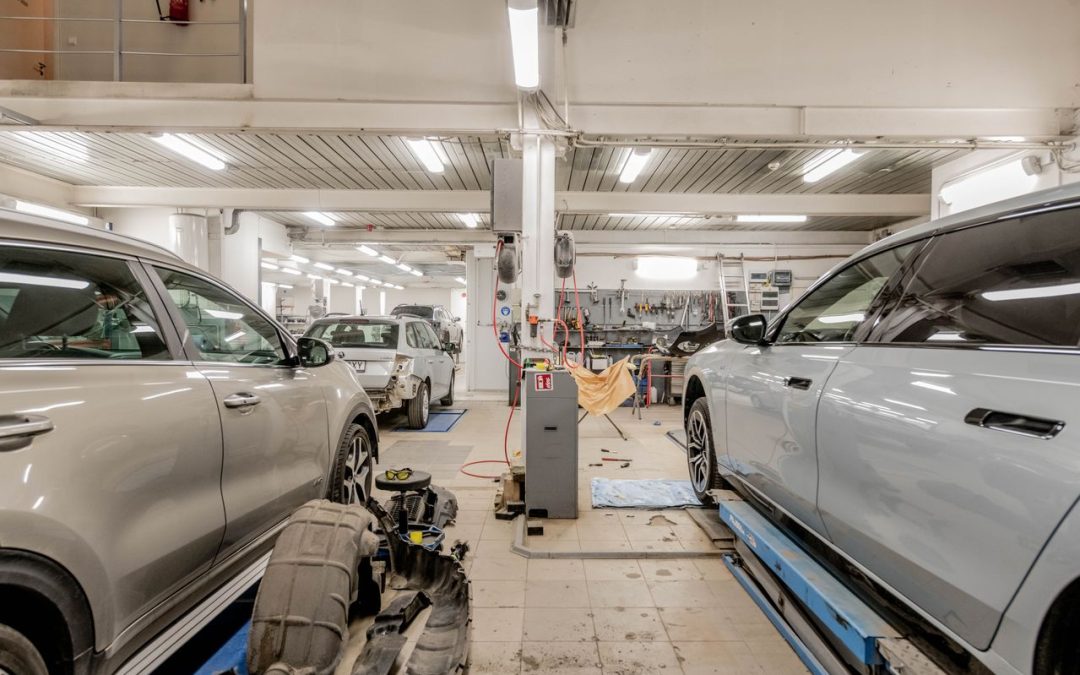
It’s not proof, but it’s a decent proxy. RepairPal’s own advice on evaluating a garage points to physical shop conditions, clean bays, organized tool storage, and visible certifications on the wall as a reasonable signal of professional standards worth checking before you commit to a repair. A chaotic, grimy shop isn’t automatically dishonest. But it does tell you something about how much care goes into the details, and repair work is nothing but details.
Conclusion
Choosing an auto repair shop isn’t about finding the closest price or the friendliest smile. It’s about finding a business that consistently demonstrates honesty, professionalism, and transparency. While most repair shops genuinely want to help customers keep their vehicles safe and reliable, taking the time to ask the right questions can help you separate trustworthy professionals from shops that rely on pressure tactics or vague explanations.
You don’t need to become an amateur mechanic to make informed decisions. Instead, pay attention to how the shop communicates. Do they provide a clear written estimate before beginning repairs? Can they explain why a repair is necessary in a language you understand? Are they willing to show you the worn or damaged parts, discuss alternative repair options, and answer follow-up questions without becoming defensive? These behaviors often reveal far more about a shop’s integrity than advertising claims or promotional discounts.
It’s also worth considering how the shop handles your concerns after the repair. A reputable auto repair business stands behind its work with a warranty, keeps detailed service records, and encourages customers to return if they have questions or experience unexpected issues. Shops that value long-term relationships are typically more focused on earning repeat business through quality workmanship than making a quick profit from unnecessary repairs.
Don’t feel pressured to make an immediate decision, especially when the recommended repairs are expensive. Taking time to compare estimates, seek a second opinion for major repairs, or research the repair shop’s reputation can save you hundreds or even thousands of dollars. An honest mechanic understands that informed customers ask questions and will respect your desire to verify recommendations before authorizing the work.
Ultimately, choosing the right auto repair shop comes down to trust built through consistent actions rather than persuasive sales pitches. By asking thoughtful questions, requesting clear explanations, reviewing estimates carefully, and observing how the shop treats its customers, you can confidently select a repair facility that prioritizes your safety, your budget, and the long-term health of your vehicle. A little preparation before handing over your keys can lead to a better repair experience, fewer unexpected expenses, and greater peace of mind every time your car needs service.
FAQ
1. Is It Rude To Ask A Mechanic For A Second Opinion?
No. A confident, honest mechanic expects it on anything beyond routine maintenance and won’t take it personally.
2. Do All Honest Mechanics Carry ASE Certification?
Not all of them; some skilled independent techs never bothered testing, but certification is the fastest objective signal you have as an outsider, and its absence should prompt more questions, not fewer.
3. Should A Diagnostic Fee Be Waived If I Proceed With The Repair?
Many shops waive or credit the diagnostic fee toward the repair cost, but it’s not universal. Ask before the car goes on the lift, not after.
4. What’s A Reasonable Markup On Parts?
There’s no single legal number, but most reputable garages mark up parts moderately to cover sourcing and warranty costs. A markup that’s several times retail price without explanation is worth questioning directly.
Looking For A Mechanic You Can Count On?
When something feels off with your vehicle, you want more than a quick fix. You want a mechanic who listens, explains what’s happening, and helps you make the right decision without pressure or unnecessary repairs.
That’s what you can expect from autoTECH Blackhawk. Our team takes the time to understand your concerns, carefully inspect your vehicle, and clearly explain your options before any work begins. Whether you need routine maintenance, help diagnosing a strange noise, or a major repair, we’ll give you honest recommendations based on what your vehicle actually needs.
Choosing the right mechanic also means choosing someone who stands behind their work. autoTECH Blackhawk uses high-quality, manufacturer-recommended parts and offers an industry-leading 3-year/36,000-mile warranty, so you can feel confident long after you leave the shop.
Your vehicle plays an important role in your daily life. Trust it to a team that treats you with respect and your car with care. Contact the friendly team at autoTECH Blackhawk today to schedule your next service appointment and experience a better way to care for your vehicle.