
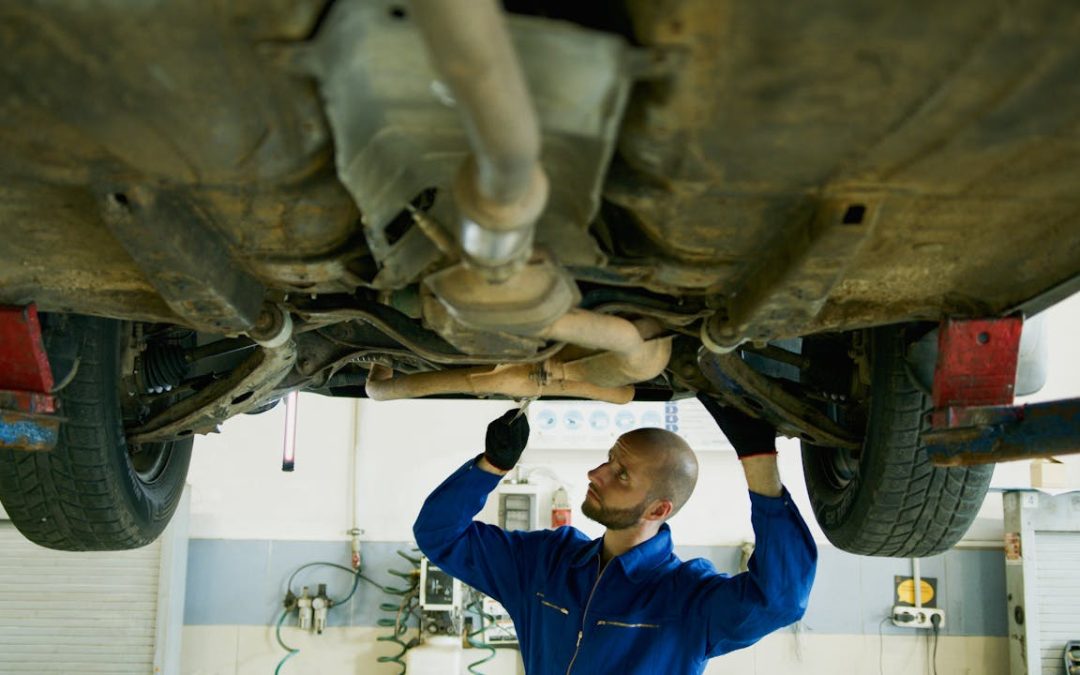
What car maintenance does your car actually need each year? Keep your car running great. Experts recommend an oil and filter change at least every 10,000 kilometers, brake inspection for pads and rotors, tire tread and balancing checks, and ensuring all fluids—coolant, brake, power steering, windshield washer—are at safe levels. Most manufacturers recommend inspecting belts, hoses, and lights on an annual basis. These routines assist in identifying wear, prevent even bigger problems, and keep the vehicle safe while on the road. In the following sections, the major maintenance items will be broken down into easy steps, with pointers for numerous makes and models.
Key Takeaways
- Maintaining your car every year is important no matter where you drive or what type of vehicle you have to stay safe, reliable, and perform at peak levels.
- By sticking to a thorough maintenance checklist and recording every service, you’ll not only maintain clear records but give your car a better resale value and never miss important tasks.
- Customizing maintenance by driving habits, local climate, and your car model results in more efficient maintenance and can help avoid surprise breakdowns.
- Comparing dealership and independent repair shop options allows you to balance cost, expertise and warranty considerations for your maintenance needs.
- Knowing common upselling tricks and what your car really needs each year can help you avoid spending money where you don’t have to!
- By embracing regular DIY checks and knowing when to seek professional service, you can save money, extend your vehicle’s lifespan and contribute to safer driving year-round.
Your Essential Annual Car Maintenance Checklist
Annual car maintenance gets overlooked. It’s essential in keeping your car safe and lasting longer. Neglecting these bare minimum checks will result in breakdowns or expensive repairs. Always defer to your owner’s manual for precise timing, but the bulk of these should be performed every 12,000 to 15,000 miles or annually, whichever comes first. Maintain a maintenance log. Not only does this help with resale, but it can help you identify recurring issues early.
Vital Fluids
Engine oil guards the moving components within your engine. Check oil level monthly and change it at least once a year, or sooner if your manufacturer recommends. Old or dirty oil makes the engine run harder, shortening its lifespan. Brake fluid is next and should be checked at every service. Brake fluid that is low or dirty can translate to your brakes not working when you need them. Coolant and antifreeze prevent your engine from overheating or freezing. Even if your coolant seems fine, have the level and condition checked annually. Replace it every two years or 30,000 miles. Don’t overlook power steering fluid; low fluid can make your steering stiff or noisy.
Braking System
Get your brake pads checked by a professional every year. Worn pads not only crimp stopping power, they can scar your rotors. Check your brake fluid for color and impurities. Even though it’s replaced every two years, annual checks are wise. Check brake lines for cracks or leaks. Fluid leaks could cause sudden brake failure. A comprehensive system check by an experienced technician will catch problems you might overlook.
Tires and Wheels
Tire rotation maintains even tread wear. Rotate your tires annually. Check pressure monthly. Under-inflated tires reduce fuel economy and handling. Check tread depth. Replace tires if below 1.6 mm. Bad tread means less grip, especially when it’s wet. Wheel alignment keeps your car steering straight and tire treads lasting longer. If you detect pulling or unusual wear, have an alignment check.
Battery and Electrics
Test your battery twice a year once it’s three years old. Many breakdowns are the result of weak batteries. Clean the terminals with a wire brush to prevent corrosion. Inspect fuses and wiring for damage or loose connections. Change your windshield wipers annually or sooner if they streak or squeak.
Filters and Belts
Change engine air filters each year to keep dust out and performance up. Cabin air filters should be checked for dirt and replaced if needed, keeping the air you breathe fresh. Inspect drive belts for cracks or wear, since old belts have a tendency to snap and strand you. Fuel filters should be checked annually to maintain a smooth engine. Check spark plugs at least once a year to keep the engine firing right.
Beyond the Owner’s Manual
Sure, you’ve got the owner’s manual, but let’s be honest, it doesn’t always cover every maintenance requirement or day-to-day usage. We all drive differently, in different places and with different frequencies, all of which impact what a car actually requires. Owners should still research, compare service providers and watch for gratuitous upsells to make smart choices for their vehicles.
Manufacturer vs. Reality
Beyond the Owner’s Manual – Manufacturer schedules are typically based on ideal situations, but not many individuals drive in such conditions. If you drive in stop-and-go traffic, on rough roads or in extreme temperatures, you might need to revise oil change intervals or check brakes and fluids more frequently than advised. They seasonally matter. In the winter, check antifreeze and put on winter wiper blades for optimum visibility. Tire pressure should be checked once a month, particularly since colder temperatures can decrease pressure and impact safety.
It’s smart to construct a checklist tuned to you. Add things like waxing your car every 6 months to protect paint or planning spark plug, timing belt and coolant replacement at around 96,000 km. Find out what other owners are dealing with in forums or reviews. Specific problems, such as early wear on certain components, aren’t typically noted in manuals.
Dealership vs. Independent
Dealerships have certified technicians and OEM parts, which matter for new cars or those still under warranty. They process recalls very well. Independent shops have cheaper labor, more flexible scheduling, and a personal touch. Some even focus on particular brands or models. Read reviews and inquire about certifications before selecting a shop.
Warranties are important. Dealer service may preserve a warranty, but most areas permit independent garages to conduct routine work without canceling coverage. Compare the warranty and labor rates between providers.
Upselling Traps
Scheduled stops frequently accompanied by upsells for additional services, some necessary, many not. Don’t take all the advice blindly. Request a rationale and whether it needs to be done immediately or later. For instance, changing windshield wipers is typically required every year, but close changes may not be warranted.
Dig a little deeper than the Owner’s Manual. Research common tasks, like transfer case fluid checks for AWD cars or major 145,000 km inspections so you know what’s coming. Find local prices for parts and services. A savvy owner can detect when a shop is attempting to upsell.
How Vehicle Type Changes Maintenance
Vehicle type dictates what kind of maintenance it requires every year. Each type has its own checks and schedules. Depending on your type of car, it might take more or less frequent work, and new technology is constantly changing the standard. Being aware of your car’s setup—rear, front, four-wheel, or all-wheel drive—counts since these configurations translate to different upkeep for items like differentials or drive systems.
Gasoline Engines
Gasoline cars have oil changes. Older cars may require oil swaps every 3,000 miles, while newer models extend that out to 5,000 to 10,000 miles. It’s smart to check the air filter every 24,000 kilometers, though dusty roads may require more frequent changes. Spark plugs matter too; iridium and titanium varieties last nearly 100,000 miles, but copper plugs may only go 30,000 before swapping is required. Exhaust systems need to remain sealed and intact to manage emissions and prevent leaks. Fuel system components, such as pumps and injectors, break down, so consistent checkups assist in identifying potential issues promptly. Ignition parts require inspection too, as frayed spark plugs or coils sabotage mileage and performance. Single-differential cars, whether front or rear drive, have less to maintain than those with two or more, such as four-wheel drive vehicles.
Hybrid Systems
Hybrid cars require divided attention. Their oil change schedules are more like gas cars, but their batteries and cooling systems require special care. Hybrid battery health affects performance and longevity, so it’s smart to check the battery and charging system every year. Hybrid cooling systems, which keep the battery cool, require regular inspection to avoid overheating and expensive repairs. Regenerative brakes are unique to hybrids, and they need to be checked to ensure they continue operating properly and don’t degrade. Hybrids can have front and rear differentials, depending on the drive system, so those need checks as well.
Electric Vehicles
Electric vehicles turn maintenance toward battery care. While most EV batteries last years, monitoring range and charging habits is crucial. There are software updates all the time that introduce new functionality or fixes, so updating your vehicle helps it stay at peak performance. Tire wear affects range more, so rotate tires every 10,000 to 13,000 kilometers and monitor pressure carefully. EVs have their own special electric motors to check, even if they miss oil changes. Wipers and air filters need checks as with other cars because city driving or dusty roads wear them out faster.
Seasonal Maintenance Adjustments
Seasonal changes place a distinct strain on automobiles and require smart maintenance to ensure cars remain safe and performing year-round. Tuning your method to seasonal maintenance based on climate and driving habits circumvents damage and lets you respond to shifting weather conditions before issues arise. Key seasonal maintenance tasks include:
- Perform spring tune-up, check and replace engine oils and filters.
- Keep an eye on tire pressure and change to winter tires if necessary.
- Inspect and clean or replace air filters.
- Test the battery for health before cold weather hits.
- Check and top off fluids such as coolant, brake fluid, and windshield washer fluid.
- Check wiper blades for cracks and change out for seasonal types.
- Every six months or so, wax the car’s exterior to resist the sun and corrosion.
- Check brakes, lights, and exhaust for damage or rust.
Winter Preparation
Winter is tough, so regular check-ins are essential. Antifreeze keeps the engine from freezing when it gets cold, so check the level and top up or replace if it’s low or old. Non-winter tires stiffen up in the cold, which translates into poorer grip and longer stopping distances. Making the switch to winter tires when the temperature remains around or below freezing enhances safety. Tire pressure is key; it drops as the temperature drops, so check and adjust it often in the winter months.
Have your battery tested because the cold weather makes batteries work harder and can reduce life. Have your battery tested before winter. Wiper blades count more in snow and ice, so trade them out for winter-specific ones to keep the windshield clear. Emergency supplies like blankets, snacks, and a flashlight should remain in the car just in case you get stuck or stranded.
Summer Readiness
Heat presents different hazards. For comfort and safety, make sure your AC is in shape before the heat waves hit. Tire tread and pressure should be checked regularly because heat expands air, increasing blowout risk during long drives. Wash and wax the exterior to protect the paint from sun and inhibit rust.
Watch your fluid levels, particularly coolant, as engines overheat more quickly in the summer. Check your exhaust for rust or leaks. Summer road trips can exacerbate minor issues. Change wiper blades at least once annually and after heavy use.
DIY Checks vs. Professional Service
Yearly car maintenance divides into what you can do and what’s better left to the mechanic. While numerous owners elect to do simple checks themselves to save time and money, complex repairs require professional tools and expertise. DIY Checks vs. Professional Service Whether you tackle them yourself or visit the experts, routine maintenance keeps breakdowns at bay and your car on the road longer. Maintaining a transparent history of every service, regardless of the ‘who’, provides you with a trusted archive and defends your asset.
Tasks for You
Changing the engine oil and swapping out the filters are both easy. For the most part, your car manual provides simple instructions and the right tools make it painless. Oil changes take less than an hour and good oil keeps your engine from wearing out. Filters, such as air or cabin, frequently pop out and in with ease and almost never require more than 15 minutes. Simple steps like these go a long way toward keeping your car humming.
Wiper blades deteriorate with sun and rain. Check them every season and replace them if they streak or skip. This is a quick, often tool-free repair that guarantees you will have a good view in the tempest.
Tires require regular checks. Verify pressure with a gauge and maintain it within the manufacturer range in kPa. Both low and high pressure shorten tire life and cause potential blowouts. Check tread depth by testing with a coin or tread tool to ensure there is sufficient grip. Rotate tires if possible or have a shop do it if unsure.
It’s what’s inside and outside that counts, not just your appearance. Wash to lose dirt and protect paint. Vacuum and wipe inside to maintain seats, controls, and displays. Waxing the paint semiannually provides even more protection.
Tasks for a Mechanic
Brake systems and suspensions are intricate and require trained eyes. Mechanics check pads, rotors, and lines while scoping out wear or leaks. Suspension parts, like shocks and bushings, manifest issues only a trained check would detect.
If the check engine light illuminates, diagnostics need special scanners and expertise. Mechanics read error codes and trace faults that do not show up easily, like sensor failures or emissions issues.
Electrical system issues—battery checks, alternator tests, and wiring inspections—require pro tools. Today’s cars have sophisticated electronics and a forgotten cable can strand you.
Major stuff — like timing belt changes or transmission work — requires skills. A slip here and an engine is fried. Leave transfer case fluid and the like to reputable shops.
The Real Cost of Skipping Maintenance
Skipping routine car care isn’t just adding risk, it’s draining your wallet and your safety. Small issues grow when maintenance is skipped. Let’s not even get started on skipping the spark plugs, which could cost you that catalytic converter and a repair bill in excess of $1,000. Easy things like replacing your PCV valve, a commonly neglected part, can keep you from experiencing serious engine damage, saving you from $1,500 in repairs. Forgetting to change oil is another common offender. Though an annual oil change is around $120, neglecting it can cause engine death, a fate far pricier than prevention. Not changing the timing belt when due, a $600 or so job, can destroy an engine, making the repair bill exorbitant.
The financial impact from these unnecessary repairs is just half the tale. Skipping regular care means your car runs less efficiently. When you skip the essentials, such as spark plugs or engine filters, the engine strains harder and consumes more fuel. This leads to more stops at the pump and higher fuel bills every month. Over the years, these costs accumulate and frequently outweigh what you would have paid for maintenance to begin with. The average annual cost for maintaining the basics is just under $550, but this can vary depending on your car’s make, model, and driving habits. When you consider this with the cost of big failures, the value of basic maintenance really stands out.
Safety is another huge issue. Five percent of car crashes are caused by poor maintenance, which is almost 3,000 deaths and 100,000 injuries worldwide each year that could have been avoided. Bad brakes, bald tires, and engine failure due to neglect endanger drivers, passengers, and everyone else on the road. These long-term consequences extend beyond dollars; they impact lives and community well-being.
Tracking what you pay for car care annually just helps you plan. Tracking costs for oil, filters, belts and other routine necessities allows you to identify trends and budget for future expenses. It’s a habit that not only amortizes costs but encourages your car’s resale value, as vehicles with a complete service history get bigger bids.
Conclusion
To keep your car in tip-top shape, basic maintenance checks do a lot. Oil, brakes, tires, and filters require maintenance every year. There are some jobs you can do yourself, like topping off fluids or changing wiper blades. Others, like brake checks or deep engine work, require a pro. Neglecting annual maintenance results in larger repair costs and more downtime. Costs remain low if you detect issues quickly and repair them early. No matter the season or miles, every car, from subcompact to SUV, runs best with steady upkeep. Think you’re doing the right things to keep your car healthy? Keep it simple, get to know your car, and request assistance when you need it. Post your own car tips or questions below!
Frequently Asked Questions
What car maintenance should I do every year?
Change the oil, replace air filters, check brakes, inspect tires, test lights, and check fluid levels. Yearly checks keep your car secure and dependable.
How does car type affect maintenance needs?
Different cars, different needs. Electric, hybrid, and diesel vehicles need their own special checks. Stick to your vehicle’s manual for best results.
Can I skip annual car maintenance if my car seems fine?
Skipping maintenance can cause bigger problems later. Minor problems can slip through the cracks and result in costly repairs or hazardous situations.
What seasonal maintenance should I consider?
About: what care your car really needs each year. Seasonal maintenance keeps your car running well, whether it’s hot or cold.
Should I trust DIY checks or visit a professional?
DIY checks are wonderful for basics such as fluid levels and tire pressure. For complicated work, it is best to go to a certified professional who can do the job correctly and safely.
How much does annual car maintenance cost?
They can be costly, but simple annual maintenance is generally inexpensive and keeps costly repairs at bay. Routine maintenance is money in the bank and provides more miles on your clock.
What happens if I only follow the owner’s manual?
Your owner’s manual is a good place to start. Local weather and driving habits may need additional attention. Modify your maintenance schedule accordingly.
Stay Ahead of Breakdowns With a Smart Car Maintenance Schedule at autoTECH Blackhawk
Your vehicle works hard every day. The best way to keep it reliable is with a clear, consistent maintenance schedule. At autoTECH Blackhawk, we help you take the guesswork out of car care by building a plan based on your vehicle, mileage, and driving habits.
Instead of waiting for something to go wrong, our team tracks what your car needs and when it needs it. Oil changes, brake inspections, fluid services, tire rotations, and more, all handled at the right time to prevent bigger, more expensive issues down the road.
Our goal is simple. Keep your car running smoothly, extend its lifespan, and help you avoid unexpected repairs. With expert technicians, high-quality parts, and a 3-year, 36,000-mile warranty on qualifying work, you get long-term protection you can count on.
Want a maintenance schedule that actually works for your car and your lifestyle? Contact autoTECH Blackhawk today and let our team map out a plan that keeps you driving with confidence.