
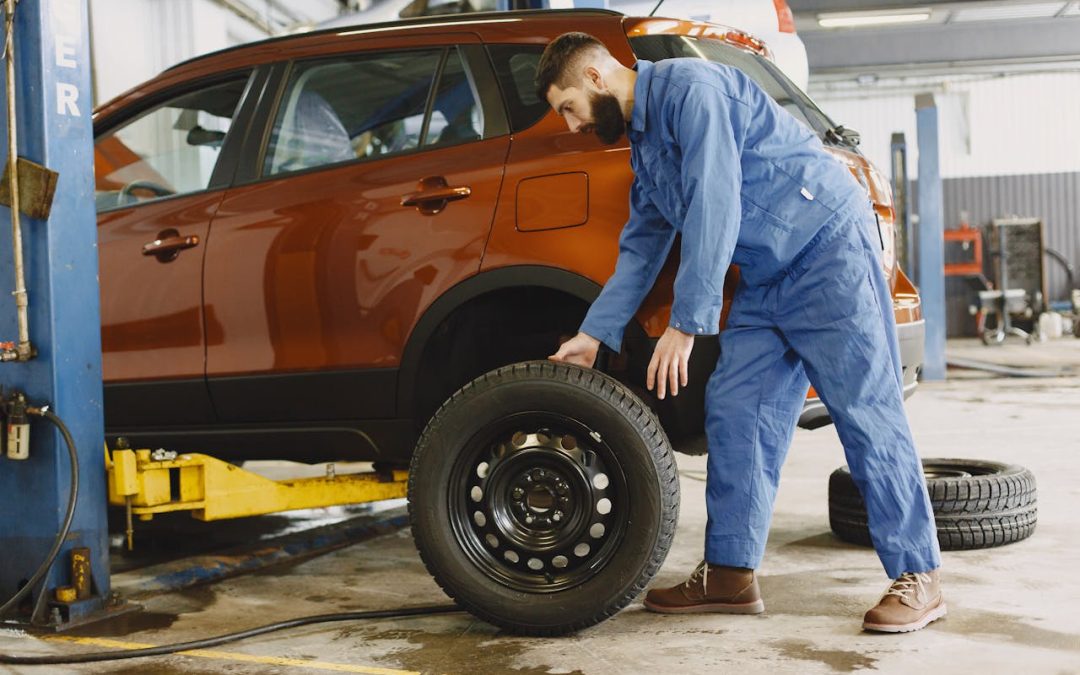
Skipping scheduled maintenance on your car can cause small issues to grow into big problems. Parts like brakes, belts, oil filters, and tires need regular checks to work well and stay safe. Without routine service, engines may lose power, fuel use can rise, and safety systems might fail. Missed oil changes let dirt build up and hurt the engine. Worn brake pads or tires can raise the risk of crashes. Ignoring fluid changes can make moving parts wear out fast. Most makers set service times to help cars last longer and drive smoothly. To help you weigh the risks, the next part will break down what can go wrong and how it affects cost, safety, and car life.
Key Takeaways
- Skipping scheduled maintenance can lead to minor mechanical problems, like fluid leaks and component wear, which develop into expensive repairs.
- Critical vehicle systems like your engine, brakes, tires, and electrical components are especially prone to damage from deferred maintenance, resulting in compromised safety and performance.
- Skipping maintenance can void your warranty and leave the owner responsible for all repairs, which can ramp up the cost significantly.
- Proactive maintenance keeps your car running efficiently with good gas mileage, a smooth comfortable ride, and dependable reliability. Neglected care leads to a slow erosion in performance and increased costs.
- Skipped maintenance is dangerous because it risks your car breaking down at an inopportune time, makes your car less crashworthy, and could void your insurance.
- If maintenance delays are inevitable, arrange service at the earliest opportunity and maintain detailed records to reduce risks and protect your investment.
The Immediate Financial Dominoes
Miss a car tune-up and it’s the first domino in a series. After a while, what seems like a minor expense becomes a huge one—not only for your wallet, but for the safety and reliability of your automobile. Regular inspections prevent small problems from becoming big, costly problems. These are the immediate financial dominoes for anyone who depends on their car.
Minor Leaks
Small leaks, like oil or coolant drips, might appear innocuous. If unchecked, even a small leak can drop levels and cause overheating or bad lubrication. This frequently translates into more wear on the engine or transmission, which gives you way higher repair bills down the road. Getting yourself in the habit of checking and topping up fluids regularly is a simple way to avoid these problems. Visible leaks should be repaired immediately, and maintenance records should be kept to help ensure that small problems are dealt with before they become big ones.
Component Strain
When maintenance gets skipped, belts, bearings and brake pads take an extra beating. Worn components can make a car run poorly, burning more fuel and increasing operating expenses. Neglecting brake pad wear can ruin rotors or even calipers, which are significantly more expensive to trade out. Brake jobs range from $200 for pads to over $900 for calipers per wheel. Simple things like tire rotations and on-time filter changes help distribute wear and keep the vehicle running optimally. Without maintenance, reliability plummets and surprise failures become inevitable.
System Failures
System failures, such as electrical or cooling system breakdowns, are frequently the direct consequence of deferred maintenance. These can leave you stranded and create dangerous driving situations. The financial dominoes extend beyond the immediate fix because a failure can take out a half dozen connected parts. Battery neglect, for example, can cause $100 to $300 worth of problems, but an entire electrical failure might cause much more. Preventive checks aid in trouble-spotting early, minimizing the potential for a catastrophic failure and therefore the associated costs.
Catastrophic Damage
If you let it go too long, you’ll do irreparable damage like engine failure, which is one of the priciest repairs of all. Engine replacement is typically more than the car is worth. For example, putting off replacing air filters or fluids will result in overheating, poor engine efficiency, and even total engine breakdown. To avoid the financial equivalent of a totaled car, it’s important to detect the early warning signs, whether strange noises or warning lights, and to act swiftly. Routine maintenance is still your best protection against these big ticket risks.
What Systems Suffer First?
For missed scheduled service, your car’s most susceptible systems include the engine, brakes, tires, and electrical system. These areas are interconnected. When one starts to fail, stress spreads to others, speeding up wear and raising repair costs. Early checks and care of these systems do not just keep repairs affordable; they maintain the safety and performance of your car.
Engine Internals
Engine internals are one of the first to go, primarily from lack of lubrication. Without regular oil changes, oil deteriorates and thickens with grit. Filthy oil can become sludge, clogging passages and starving engine components of lubrication, creating friction, heat and accelerated wear. Just one missed oil change can accelerate engine wear, even if the effect is not immediate. Over the years, this neglect can cause bearing wear, overheating and in extreme situations, catastrophic engine failure, a costly consequence that regular oil inspections and changes can avoid. Checking oil level and quality on a regular basis is crucial to engine health and long term reliability.
Braking Power
Brakes are a safety system and frequently one of the first to suffer from skipped maintenance. Overdue brake pads will ruin your rotors in no time, which can make repairs way more expensive than just replacing the pads. Forgotten brake problems don’t only jeopardize costly repairs; they weaken braking force and extend stopping distances, particularly perilous on wet or icy roads. Brake fluid can age and absorb water, resulting in a spongy pedal or brake failure. For now, though, regular brake inspections and timely fluid checks are simple steps that help keep you and others safe on the road.
Tire Integrity
Tires support the entire weight of the vehicle and immediately impact handling and safety. Neglecting tire rotations or alignments results in uneven tire wear, bad traction, and decreased fuel economy. Underinflated or worn tires are subject to blowouts, particularly when driven at high speeds or over rough terrain. Tire pressure and tread depth need regular checking; diligent maintenance prolongs tire life and prevents surprise replacements. Forgotten tires can tax suspension and steering systems, triggering a cascade of wear in associated components.
Electrical Stability
It’s the electrical system that keeps today’s cars humming, from starting the engine to fueling safety features. Neglecting battery checks can leave you stranded. Corroded or loose connections have the potential to cause unpredictable faults in critical systems like airbags or ABS. Electrical failures may manifest as flickering lights or non-operational accessories and can lead to much bigger problems if neglected. Routine examination of battery condition and terminals guarantees reliable operation and prevents expensive electrical repairs.
The Slow Decline in Performance
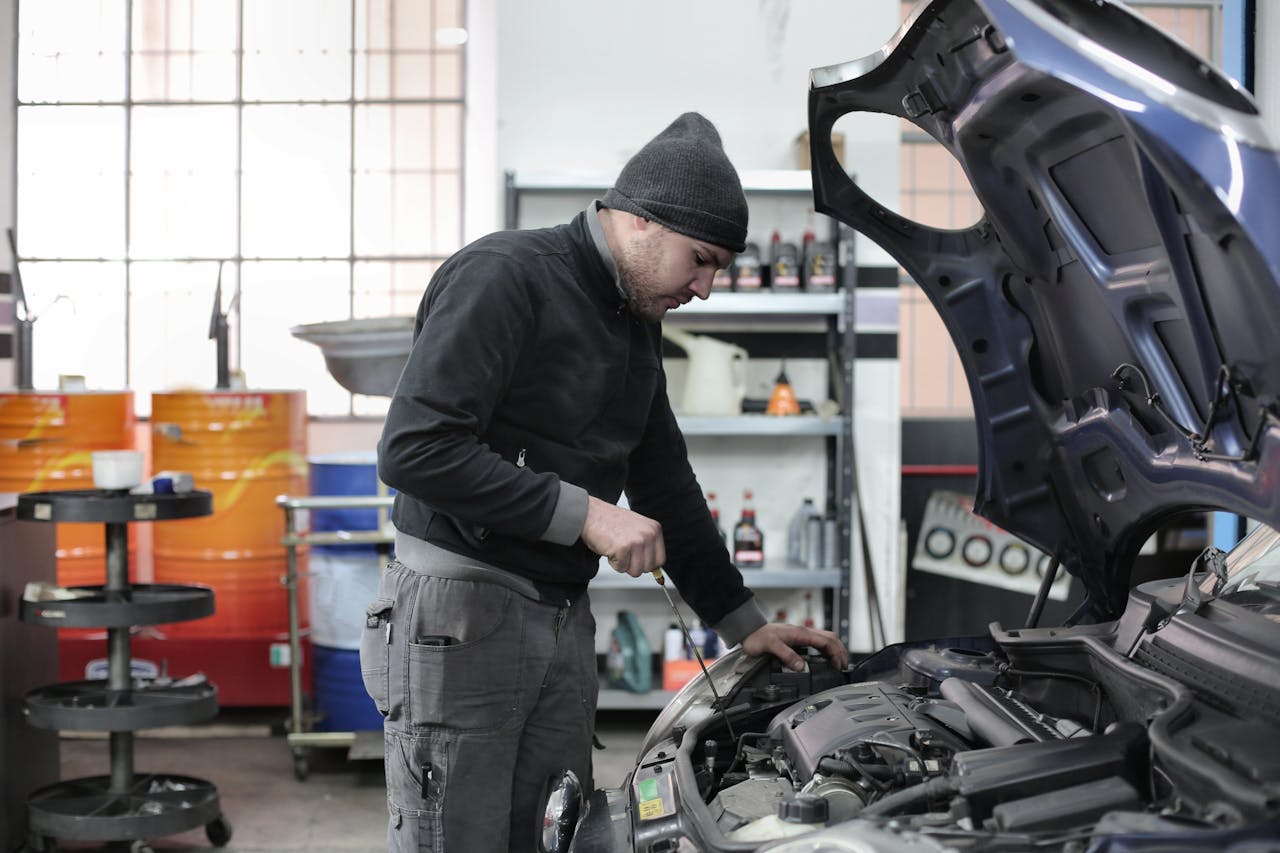
Ignoring routine service results in a gradual performance decay. Initially, most drivers wouldn’t notice. As time passes, minor issues pile up. It’s performance that fades little by little from bad fuel mileage to reduced horsepower and a tougher ride. Every service you skip diminishes the life of components and increases hazards, particularly as the weather gets rough.
Fuel Consumption
Monitoring fuel economy is an obvious method of detecting an early warning. When maintenance is skipped, clogged air filters, worn spark plugs and dirty oil make the engine work harder. This decreases mileage, so every drive is more expensive. Even a minor decline in fuel mileage by only a few extra liters per 100 km alerts the driver that the engine is not performing optimally.
Just like regular tune-ups, oil changes and filter replacements keep fuel use in check. Absent these simple measures, the engine sputters and bad habits take hold. Your car might require more gas to accomplish the same amount of work. Over months, the cost accumulates and what begins as a small problem can balloon into something much more significant. Good upkeep keeps engines humming, reduces fuel consumption and improves the car’s dependability.
Power Output
Like a car’s engine that doesn’t get routine checks, it gradually loses power. You know all those oil changes you’re skipping? Even if the car still starts and moves, drivers might sense it is slower to get up to speed or feels sluggish on inclines.
Regular check ups catch shredded belts, dying sensors and gummed injectors before it’s too late. If unattended, one small thing can make other bits fall apart. This domino effect can conclude with expensive repairs or the worst-case scenario, a blown engine. Tackling power drops quickly prevents larger problems and keeps your car safe and nimble.
Ride Comfort
It’s one of the first things that suffers when fundamental maintenance is overlooked. Ride comfort plummets. Suspension components, bushings, and shocks wear out more rapidly if not routinely examined. The driver may begin to sense more bumps, shakes, and strange noises on the road. Eventually, the ride gets bumpy and the car won’t hug turns as well.
A smooth ride is a function of good suspension and steering components. Regular inspections help keep these in tip-top condition, making your drives safer and more enjoyable. When things start to foul, comfort goes down and losing control goes up. It becomes more difficult to drive in inclement weather or over rough terrain.
Your Warranty Becomes Void
Missing scheduled maintenance does more than risk mechanical issues. It can make your warranty worthless. Manufacturer warranties have clear rules. Skip your oil changes, use the wrong oil, or skip scheduled checks, and you can lose coverage. Leaks that are allowed to sit or that are skipped for tens of thousands of kilometers make this worse. Warranties vary, too. Some request particular fluids or components. If you’re using parts that don’t meet the specs, you risk voiding protection. Falsifying information, such as mileage or usage, can void coverage as well. Skipping payments on a plan even voids your warranty.
Manufacturer Denials
They’ll deny you claims if you’ve lost your maintenance records or if they show gaps. If you miss oil changes or use a fluid that doesn’t align with their suggestions, they can deny coverage. When a problem arises, the service center will consult your records. If you can’t prove you changed the oil or checked the transmission fluid, you’re in trouble. Even neglecting warning lights can cause big failures. Then the producer can claim you did not properly treat your car as needed.
Maintain a log of all work, even minor, such as topping off coolant or inspecting brake pads. If a warranty dispute arises, these documents can assist in showing you took the required actions. If you wait too long or can’t provide evidence, you could be responsible for everything. A number of owners are stuck in long battles, sometimes concluding with no assistance from the maker. Know your warranty’s rules and stay on schedule.
Repair Responsibility
About: Your Warranty Becomes Void – When you blow off maintenance, they pass all repair costs on to you. A skipped oil change can cause engine damage and a missed coolant flush can lead to bigger issues down the road. These repairs are far more expensive than regular maintenance. Owners who wait tend to experience more frequent and costly repairs.
Your warranty becomes null and void. It’s a lot more convenient to pay for mini services than a new transmission. Be proactive, watch for leaks, odd sounds, or warning lights. These little checks safeguard you against big, costly breakdowns. By addressing problems sooner, it keeps both the threat and the expense lower.
Documentation Proof
Save all work done records for your car. Retain receipts for every service, even easy ones like oil changes. Catalog them to locate evidence when required. Good records come in handy if you ever have to file a claim or sell your car. Both buyers and warranty companies want evidence the car was well cared for.
Go to reliable service centers. They provide transparent documentation and maintain online records. This simplifies proving what work was done and when. As an added bonus, proper documentation protects your warranty and can add value if you sell your car.
The Hidden Safety Compromise
Maintenance neglect compromises the safety of any car, even the best ones. Regular maintenance isn’t only about optimizing performance; it identifies worn brake pads, low fluid levels, and uneven tire wear before these become dangerous safety risks. Maintenance, whether it’s an oil change or changing brake pads, goes beyond keeping the engine purring. It helps your car quickly respond in emergency situations and safely grip the road. Ignoring these checks can result in extended stopping distances, lack of grip, and increased likelihood of catastrophic breakdowns.
Unpredictable Breakdowns
Every time maintenance is skipped, the danger of unforeseen failure spikes. A stretched timing belt or low oil level may slip beneath your radar until a surprise engine failure occurs, often miles from assistance. This type of failure can strand drivers in unsafe places, alongside a busy highway, in a remote area, or in extreme weather. They risk creating an accident, particularly if the breakdown results in loss of control or leaves the car immobile in a high-traffic zone.
Regular inspections are crucial in reducing these dangers. Checking tire pressure, monitoring fluid levels, and listening for odd engine sounds catch issues before they escalate. Emergency supplies like reflective triangles and a barebones tool kit are valuable and do not supersede preventive maintenance.
Reduced Crashworthiness
Neglecting maintenance can reduce a vehicle’s crashworthiness, or how well the vehicle can protect occupants in a collision. Critical safety components, such as airbags and anti-lock brakes, require inspections on a scheduled basis to function the way they were designed. Worn brake pads can scar rotors and make it more difficult to stop in time.
Worn suspension or improperly aligned tires, for example, can result in a car that doesn’t handle well and further increases these dangers. Some drivers have experienced catastrophic engine damage or blowouts from missed inspections, demonstrating how a small oversight can have a large effect.
Insurance Liability
Your insurance company will pull your maintenance records in an accident claim. If you can’t keep up with the recommended services, it may impact liability and result in denied insurance claims or higher out of pocket costs. Being able to present clear records of all services will help defend coverage.
A well-maintained car not only stays safer but can keep insurance premiums lower and resale value higher. Maintenance or its absence can cost much more in terms of repairs and even insurance, uninsured motorist coverage, and more.
When Delay is Unavoidable
Our hectic lives and packed calendars typically get the better of us when it comes to car care, and on occasion, delaying planned maintenance occurs even with the best of intentions. When delay is unavoidable, prioritize the essential safety-oriented checks first, such as ensuring brakes are working well and tires wear evenly. Skipping these can endanger you and others, particularly if you drive frequently or in severe weather. To us, they’re small things, like oil changes or filter swaps, but even a small thing like this, delayed too much, might cause engine components to prematurely wear or overheat, resulting in future big repair bills.
Delays, even brief ones, accumulate quickly. The small skips feel innocent in the moment, but eventually less attention leads to more strain on your car’s mechanisms. For instance, skipping a tune-up can result in inefficient fuel consumption, slow acceleration, or hard shifting. If brake pads wear too thin due to missed inspections, stopping power decreases and you run the risk of accidents. Tire neglect can lead to uneven wear, blowouts, or loss of traction on wet roads. Each of these issues becomes more problematic and pricier to solve the longer you postpone.
Planning ahead makes routine care less of a pain. Just make an effort to squeeze car checks into your plans, say a grocery run or post work. When delay is inevitable, if you have to delay a trip to the shop, watch for strange noises, shudders, or loss of smoothness in the way the car handles. These are typically early indicators that a minor problem is becoming something more serious. Consult your owner’s manual or a reputable mechanic to find out which jobs can be delayed slightly and which cannot. A few, such as checking fluids or lights, you can do at home and might just buy you a little time until you get to the shop. Still, the further you delay care, the more probable you are to encounter bigger, more expensive repairs later on.
Conclusion
Skip scheduled maintenance and your car starts showing it fast. Oil gels, brakes squall, lights flicker, and fuel mileage shoots up. Worn belts break. Little leaks become big ones. Drivability tanks. Warranty claims get denied. Safety hazards increase, perhaps balding tires, poor brakes, or defective steering. What if you skipped some scheduled maintenance on your car? When a quick fix becomes a repair bill. Even a rugged auto only takes you so far with antiquated filters and fatigued lubricants. To keep your car safe and rock solid, adhere to your manufacturer’s schedule. Got a crazy month? Postpone, but don’t ever skip. If you want more tips on car care, visit my blog for no-nonsense advice that works.
Frequently Asked Questions
What are the risks of skipping scheduled car maintenance?
Think of what happens if you skip scheduled maintenance on your car. Scheduled maintenance helps in detecting problems early and maintaining your car’s safety and efficiency.
Does missing maintenance affect my car’s warranty?
Oh, car warranties usually require following the maintenance schedule. Skipping services can void your warranty, causing you to pay for repairs that would be otherwise covered.
Which car parts fail first if I skip maintenance?
Elements such as the engine oil, brakes, and tires tend to be impacted first. All of these systems require scheduled checks and replacements to operate optimally and safely.
Can skipping maintenance impact fuel efficiency?
Yes, missed maintenance can make your car guzzle more fuel. Dirty filters, old spark plugs, and low tire pressure all reduce gas mileage.
Are there safety risks if I delay maintenance?
When you delay maintenance, it can impact other issues such as safety systems like your brakes and steering. This puts you in more danger on the road because of surprise malfunctions.
What should I do if I cannot afford scheduled maintenance?
Pay special attention to safety items like brakes and tires. Talk to your service provider about what you really need to have checked and possible payment plans.
How often should I perform basic car maintenance?
Trust your car’s manual, but for most vehicles, basic checks are needed every 10,000 kilometres or a year, whichever comes first. This prevents expensive repairs and keeps your car dependable.
Stay Ahead of Breakdowns With a Smart Car Maintenance Schedule at autoTECH Blackhawk
Your vehicle works hard every day. The best way to keep it reliable is with a clear, consistent maintenance schedule. At autoTECH Blackhawk, we help you take the guesswork out of car care by building a plan based on your vehicle, mileage, and driving habits.
Instead of waiting for something to go wrong, our team tracks what your car needs and when it needs it. Oil changes, brake inspections, fluid services, tire rotations, and more, all handled at the right time to prevent bigger, more expensive issues down the road.
Our goal is simple. Keep your car running smoothly, extend its lifespan, and help you avoid unexpected repairs. With expert technicians, high-quality parts, and a 3-year, 36,000-mile warranty on qualifying work, you get long-term protection you can count on.
Want a maintenance schedule that actually works for your car and your lifestyle? Contact autoTECH Blackhawk today and let our team map out a plan that keeps you driving with confidence.