
Buying a vehicle is one of the largest financial investments most people make. Whether you drive a brand-new car, a dependable family SUV, a pickup truck for work, or a used commuter vehicle, you naturally want it to last as long as possible. Modern vehicles are engineered to remain reliable for well over 200,000 miles when they receive proper care. However, many vehicles fail long before reaching that milestone—not because they were poorly built, but because everyday habits and neglected maintenance gradually wear them down.
Vehicle lifespan depends on countless factors, including manufacturing quality, driving conditions, climate, maintenance routines, and driver behavior. While some wear is inevitable, many of the issues that lead to premature engine failure, transmission problems, suspension damage, or excessive rust are entirely preventable.
Small mistakes often accumulate over time. Skipping an oil change once may not seem significant, but repeatedly delaying maintenance can accelerate engine wear. Likewise, aggressive acceleration, frequent hard braking, overloaded cargo, neglected cooling systems, and ignoring warning lights can slowly reduce the lifespan of nearly every major vehicle component.
Understanding what causes premature vehicle aging empowers owners to make smarter decisions. Preventive maintenance costs far less than major repairs, and adopting healthier driving habits not only extends vehicle life but also improves fuel efficiency, safety, and resale value.
This guide explores the biggest factors that shorten a vehicle’s lifespan, explains why they matter, and provides practical strategies to keep your car reliable for hundreds of thousands of miles.
Key Takeaways
- Regular maintenance is the single biggest factor affecting vehicle longevity.
- Dirty or low engine oil dramatically increases internal engine wear.
- Ignoring warning lights allows minor issues to become expensive repairs.
- Aggressive driving places excessive stress on the engine, brakes, suspension, and transmission.
- Overheating is one of the fastest ways to destroy an engine.
- Poor driving habits accelerate wear throughout the entire vehicle.
- Rust and corrosion can permanently damage structural components.
- Delaying small repairs often leads to much larger mechanical failures.
- Quality replacement parts help maintain long-term reliability.
- Consistent preventive care allows many vehicles to exceed 200,000 miles.
Skipping Regular Oil Changes
Engine oil is often called the lifeblood of your vehicle, and for good reason. It performs several critical functions that keep your engine operating efficiently and reliably. Clean engine oil lubricates moving components, reduces friction between metal parts, carries heat away from internal engine surfaces, cleans away contaminants, and helps protect against corrosion. Every time you start your vehicle, the oil forms a protective barrier that minimizes direct metal-to-metal contact.
Over time, however, engine oil naturally breaks down due to heat, pressure, and contamination. As oil ages, it becomes less effective at protecting the engine, making regular oil changes one of the most important maintenance tasks you can perform. Skipping scheduled oil changes may seem like a way to save money in the short term, but it can lead to significantly higher repair costs by accelerating wear on expensive engine components. Following the oil change interval recommended in your owner’s manual is one of the easiest and most cost-effective ways to extend the life of your vehicle.
Dirty Oil Loses Its Protective Properties
Fresh engine oil is specially formulated to provide excellent lubrication and cleaning performance, but these qualities diminish as the oil accumulates contaminants. During normal engine operation, oil collects dirt, microscopic metal shavings, carbon deposits created during combustion, fuel residue, and moisture from condensation. Although the oil filter captures many contaminants, it cannot remove everything, and the oil itself gradually loses its ability to protect the engine.
As contaminated oil circulates through the engine, lubrication becomes less effective. Increased friction causes internal components to generate more heat, placing additional stress on pistons, bearings, camshafts, and other moving parts. Higher temperatures also accelerate oil breakdown, creating a cycle of increasing wear and declining performance. Drivers may notice reduced fuel efficiency, rougher engine operation, increased engine noise, or sluggish acceleration. If left unaddressed, dirty oil can contribute to permanent engine damage that may require extensive repairs or even complete engine replacement.
Oil Sludge Can Destroy an Engine
One of the most serious consequences of neglected oil changes is the formation of engine sludge. Sludge develops when degraded oil mixes with contaminants and thickens into a sticky, tar-like substance. Instead of flowing freely throughout the engine, sludge begins to accumulate in critical areas, restricting oil circulation and reducing lubrication where it is needed most.
Sludge can clog narrow oil passages, block hydraulic lifters, interfere with variable valve timing systems, and reduce the effectiveness of the oil pump. As oil flow becomes restricted, vital engine components receive insufficient lubrication and cooling. Bearings may overheat and fail, camshafts can become severely worn, crankshaft journals may sustain permanent damage, and in extreme cases, the engine can seize completely due to lack of lubrication.
Repairing sludge-related engine damage is often extremely expensive because it typically affects multiple internal components. Fortunately, this type of failure is highly preventable. Changing the engine oil and filter at the recommended intervals, using the proper oil grade specified by the manufacturer, and checking oil levels regularly are simple maintenance practices that significantly reduce the risk of sludge buildup. Compared to the cost of rebuilding or replacing an engine, routine oil changes remain one of the most affordable investments you can make to maximize your vehicle’s lifespan.
Driving Aggressively Every Day
How you drive has a tremendous impact on vehicle longevity.
Aggressive driving increases stress throughout the vehicle.
Rapid Acceleration
Hard acceleration increases strain on:
- Pistons
- Connecting rods
- Transmission gears
- Driveshafts
- Differentials
Repeated stress shortens component life.
Hard Braking
Frequent aggressive braking wears:
- Brake pads
- Rotors
- Tires
- Suspension components
Smooth driving significantly reduces wear.
Neglecting the Cooling System
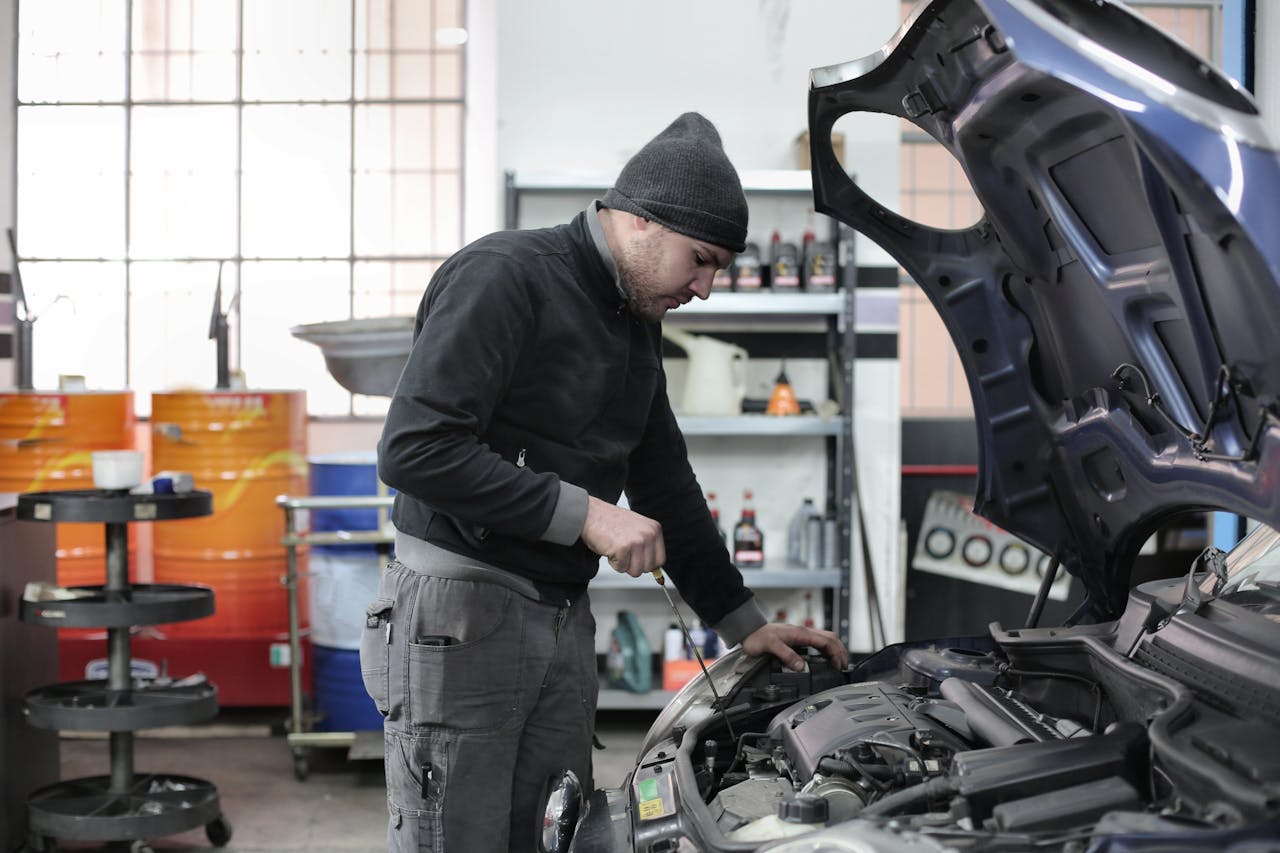
Heat is one of the greatest threats to your engine’s longevity. While engines naturally generate a tremendous amount of heat during combustion, they are designed to operate within a specific temperature range. The cooling system is responsible for maintaining that optimal operating temperature by circulating coolant through the engine and radiator, where excess heat is released before the coolant cycles back through the system. When every component functions properly, the engine remains cool enough to operate efficiently while preventing excessive wear.
Neglecting the cooling system can quickly lead to serious mechanical problems. Unlike some maintenance issues that develop gradually over months or years, cooling system failures can cause severe engine damage in a matter of minutes if the engine overheats. Fortunately, routine inspections and timely maintenance can prevent most cooling-related breakdowns. Checking coolant levels, inspecting hoses, replacing worn components, and flushing the cooling system at recommended intervals are simple steps that can save thousands of dollars in repair costs.
Low Coolant Levels
Coolant, also known as antifreeze, performs several essential functions beyond simply preventing overheating. It absorbs heat from the engine, protects against freezing in cold temperatures, helps prevent corrosion inside the cooling system, and lubricates components such as the water pump. When coolant levels drop due to leaks, evaporation, or neglected maintenance, the system cannot effectively regulate engine temperature.
Insufficient coolant significantly increases the risk of overheating, especially during heavy traffic, towing, climbing steep grades, or driving in hot weather. An overheating engine can suffer severe internal damage, including warped cylinder heads, blown head gaskets, cracked engine blocks, and damaged pistons. These repairs are among the most expensive vehicle owners can face and, in some cases, may require a complete engine replacement.
Drivers should regularly inspect the coolant reservoir and never ignore signs of overheating, such as a rising temperature gauge, steam coming from under the hood, or warning lights on the dashboard. If the engine begins to overheat, it should be stopped as soon as it is safe to do so to prevent catastrophic damage.
Failing Radiators and Water Pumps
The cooling system consists of several interconnected components that naturally wear with age and mileage. The radiator dissipates heat from the coolant, while the water pump circulates coolant throughout the engine. Other critical components—including hoses, clamps, the thermostat, radiator cap, and cooling fans—must also work together to maintain proper engine temperature.
Over time, radiators may develop internal corrosion or external leaks, water pumps can wear out or begin leaking, hoses may become brittle and crack, and thermostats can stick open or closed. Any of these failures can reduce cooling efficiency or stop coolant circulation altogether, causing rapid overheating.
Routine inspections help identify early warning signs before a breakdown occurs. Mechanics can check for coolant leaks, corrosion around the radiator, swollen or weakened hoses, failing water pumps, malfunctioning thermostats, and damaged radiator caps. Replacing these worn components before they fail is far less expensive than repairing an overheated engine. By giving the cooling system regular attention and following the manufacturer’s recommended maintenance schedule, vehicle owners can significantly extend engine life and avoid costly repairs.
Delaying Transmission Maintenance
Modern transmissions are highly sophisticated.
Repairs often cost thousands of dollars.
Old Transmission Fluid
Transmission fluid provides:
- Lubrication
- Cooling
- Hydraulic pressure
Old fluid loses effectiveness.
This accelerates wear.
Ignoring Transmission Symptoms
Watch for:
- Slipping gears
- Delayed shifting
- Rough shifting
- Fluid leaks
- Burning odors
Early repairs prevent complete transmission failure.
Ignoring Tire Maintenance
Tires affect much more than traction.
Improper tire care impacts nearly every suspension component.
Incorrect Tire Pressure
Underinflated tires create:
- Heat buildup
- Poor fuel economy
- Uneven tread wear
- Increased rolling resistance
Overinflated tires reduce traction.
Failure to Rotate Tires
Regular tire rotations:
- Promote even wear
- Improve handling
- Extend tire lifespan
- Reduce suspension stress
Driving With Worn Suspension Components
The suspension absorbs road impacts.
Neglect accelerates wear across the vehicle.
Bad Shocks and Struts
Worn shocks cause:
- Excessive bouncing
- Poor braking
- Tire cupping
- Reduced steering control
Worn Ball Joints and Bushings
These components affect:
- Steering precision
- Tire wear
- Ride quality
Ignoring them increases repair costs.
Carrying Excessive Weight
Every vehicle is engineered with a maximum payload capacity that specifies how much weight it can safely carry, including passengers, cargo, and any additional equipment. This limit is determined by the manufacturer based on the strength of the vehicle’s frame, suspension, tires, brakes, and drivetrain. Consistently exceeding the recommended payload may not cause immediate failure, but it places continuous stress on nearly every major mechanical system. Over time, this extra strain accelerates wear, reduces fuel efficiency, compromises handling, and shortens the overall lifespan of the vehicle.
Many drivers unintentionally overload their vehicles during vacations, home improvement projects, moving days, or by permanently carrying heavy tools and equipment. Even if the vehicle appears to handle the weight adequately, its components are working much harder than intended. Following the manufacturer’s payload recommendations and distributing cargo evenly can help preserve the health of your vehicle while maintaining safe driving performance.
Stress on Suspension
The suspension system is designed to support the vehicle’s weight while absorbing bumps, maintaining tire contact with the road, and providing a comfortable ride. When a vehicle is overloaded, suspension components remain under constant compression, making them wear out much faster than they normally would.
Heavy loads place excessive pressure on parts such as:
- Springs
- Shock absorbers
- Struts
- Bushings
- Ball joints
- Control arms
Repeated overloading can cause springs to sag, shocks and struts to lose their damping ability, and rubber bushings to crack or deteriorate prematurely. As suspension components wear, drivers may notice excessive bouncing, uneven tire wear, poor handling, increased body roll during turns, and a rougher ride. These symptoms not only reduce driving comfort but also affect vehicle stability and safety.
Routine suspension inspections become especially important for vehicles that frequently carry heavy cargo or tow trailers. Replacing worn suspension components before they fail helps maintain proper handling and prevents additional stress on other parts of the vehicle.
Increased Drivetrain Wear
Extra weight doesn’t just affect the suspension—it also forces the drivetrain to work significantly harder. Every time an overloaded vehicle accelerates, climbs hills, or merges onto a highway, the engine must produce more power to move the additional mass. The transmission must handle greater torque, while the differential, driveshaft, and axles experience increased mechanical stress.
The added weight also means the braking system has to work harder to slow and stop the vehicle. Brake pads and rotors wear more quickly, stopping distances increase, and brake components generate more heat during operation. Likewise, tires experience greater rolling resistance and may wear unevenly if they are not inflated to the proper pressure for the load being carried.
Over time, the cumulative effect of carrying excessive weight can reduce the lifespan of the engine, transmission, brakes, tires, wheel bearings, and drivetrain components. To minimize wear, avoid exceeding your vehicle’s Gross Vehicle Weight Rating (GVWR), remove unnecessary cargo when it is no longer needed, and ensure that heavy items are properly secured and evenly distributed. Respecting your vehicle’s weight limits not only extends its lifespan but also improves fuel economy, handling, and overall driving safety.
Frequently Driving Short Distances
Short trips may seem harmless.
However, they are surprisingly hard on vehicles.
Engine Never Reaches Operating Temperature
Cold engines experience:
- Increased fuel consumption
- Poor lubrication
- Moisture buildup
Condensation Forms Inside the Engine
Moisture mixes with oil.
Over time, sludge forms.
Longer drives periodically help evaporate moisture.
Using Poor-Quality Fuel and Fluids
Cheap products sometimes cost more in the long run.
Low-Quality Fuel
Inferior fuel may contribute to:
- Carbon buildup
- Injector deposits
- Reduced efficiency
Incorrect Fluids
Using the wrong:
- Oil viscosity
- Transmission fluid
- Coolant
- Brake fluid
can cause severe mechanical damage.
Always follow manufacturer recommendations.
Ignoring Rust and Corrosion
Rust doesn’t only affect appearance.
It can permanently weaken structural integrity.
Road Salt Accelerates Corrosion
Vehicles driven in snowy climates should be washed regularly.
Salt attacks:
- Frames
- Brake lines
- Suspension
- Fuel lines
Paint Damage Leads to Rust
Small chips expose bare metal.
Touch-up paint helps prevent corrosion.
Delaying Small Repairs
Minor issues rarely stay minor.
Small Fluid Leaks Become Major Repairs
Leaks often begin with:
- Gaskets
- Seals
- Hoses
Ignoring them can destroy major components.
Strange Noises Usually Mean Something
Never ignore:
- Grinding
- Knocking
- Squealing
- Clicking
Early diagnosis often saves thousands.
Neglecting Battery and Electrical Systems
Modern vehicles rely heavily on electronics.
Weak Batteries Stress Charging Systems
Failing batteries force alternators to work harder.
Routine battery testing prevents breakdowns.
Corroded Connections
Battery corrosion causes:
- Hard starting
- Charging issues
- Electrical failures
Cleaning terminals improves reliability.
Poor Driving Conditions Without Proper Care
Environmental conditions significantly influence vehicle lifespan.
Dust and Dirt
Driving on unpaved roads introduces fine dust into:
- Air filters
- Cabin filters
- Engine compartments
- Suspension components
Replace filters more frequently in dusty environments.
Extreme Heat and Cold
High temperatures accelerate fluid breakdown, while freezing temperatures place extra stress on batteries, tires, and engine components. Seasonal maintenance helps prepare your vehicle for changing weather.
Following a Preventive Maintenance Schedule
Preventive maintenance is the foundation of long vehicle life.
Stay Current on Scheduled Services
Always follow the maintenance intervals recommended in your owner’s manual. Typical services include:
- Oil and filter changes
- Tire rotations
- Brake inspections
- Coolant replacement
- Spark plug replacement
- Air filter replacement
- Transmission service
- Drive belt inspections
Routine service keeps systems working efficiently and allows technicians to identify developing issues before they become costly.
Keep Maintenance Records
Maintaining detailed service records helps you:
- Track upcoming maintenance
- Verify repairs
- Increase resale value
- Identify recurring problems
- Demonstrate proper vehicle care
A well-documented maintenance history also gives future buyers confidence that the vehicle has been responsibly maintained.
Conclusion
The biggest factors that shorten a vehicle’s life are rarely dramatic events—they are usually the result of consistent neglect or poor driving habits. Skipping oil changes, ignoring warning lights, delaying repairs, driving aggressively, neglecting cooling and transmission maintenance, and overlooking tire care all contribute to premature wear and expensive breakdowns.
Fortunately, these problems are largely preventable. Regular inspections, timely fluid changes, careful driving, and prompt attention to unusual noises or dashboard warnings can dramatically extend the life of your vehicle. Even older cars can remain dependable when maintenance is performed consistently.
Vehicle longevity isn’t determined by luck alone. It is the result of thousands of small decisions made throughout ownership. By investing in preventive care and treating your vehicle responsibly, you can avoid major repairs, reduce operating costs, improve safety, and maximize resale value. With the right maintenance habits, many modern vehicles are fully capable of reaching—and often exceeding—200,000 miles while continuing to provide reliable transportation for years to come.
Frequently Asked Questions
What damages a car engine the fastest?
Running low on oil, overheating, and ignoring routine maintenance are among the quickest ways to cause severe engine damage.
Is aggressive driving really that harmful?
Yes. Frequent hard acceleration, speeding, and sudden braking increase wear on the engine, transmission, brakes, tires, and suspension.
Can skipping one oil change ruin an engine?
One slightly delayed oil change is unlikely to cause immediate failure, but repeatedly postponing oil changes can significantly reduce engine life.
How often should I inspect my vehicle?
A basic inspection of tire pressure, fluid levels, lights, and visible leaks should be performed monthly, while a professional inspection is recommended at least once a year or according to the manufacturer’s maintenance schedule.
Does driving short distances shorten vehicle life?
Yes. Frequent short trips prevent the engine from reaching normal operating temperature, increasing moisture buildup, sludge formation, and long-term engine wear.
What maintenance provides the greatest return on investment?
Regular oil changes, cooling system maintenance, tire rotations, brake inspections, and timely replacement of worn components offer the greatest benefits for extending vehicle lifespan.
Can a well-maintained vehicle last over 200,000 miles?
Absolutely. Many modern vehicles exceed 200,000 miles—and some surpass 300,000 miles—when owners follow recommended maintenance schedules, use quality replacement parts, and practice responsible driving habits.
Are You Looking For Expertise in Automotive Customization?
Experience the excellence of autoTECH Blackhawk in the realm of automotive customization. Why choose us for your vehicle’s customization needs? Our standout feature is our unwavering dedication to building strong relationships with our clients, a crucial aspect in the specialized field of automotive personalization. This commitment is the cornerstone of our tailored services, ensuring our offerings align with your specific vision and objectives for your vehicle’s style, performance, and functionality.
Whether you’re looking to enhance your car’s aesthetic appeal, upgrade its performance with advanced modifications, ensure your family vehicle reflects your unique personality, or seek expert advice on the best customization options for your vehicle, autoTECH Blackhawk is here to exceed your expectations. We take immense pride in our industry-leading 3-year/36,000-mile warranty and our commitment to using only high-quality, manufacturer-recommended parts and accessories.
Don’t hesitate to contact our friendly team today to schedule a convenient and contactless consultation for your vehicle’s next-level customization!