
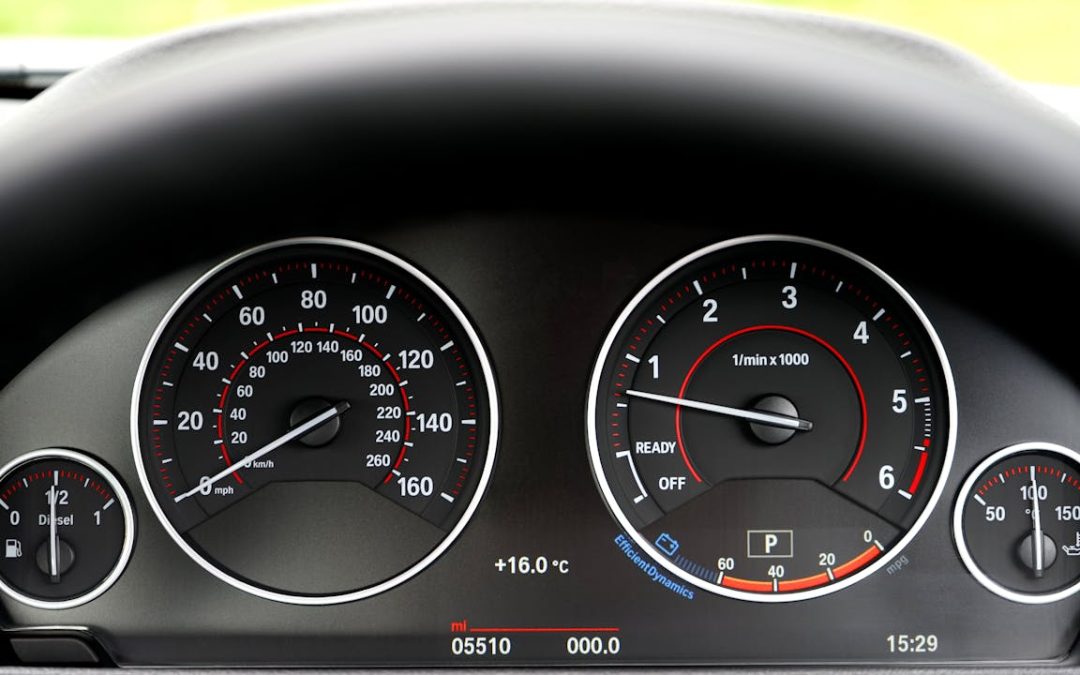
One of the first questions people ask when shopping for a used vehicle is, “How many miles are too many?” The answer isn’t as simple as a single number. While many people once believed that a car with more than 100,000 miles was nearing the end of its life, modern vehicles have dramatically changed that perception. Advances in engine design, manufacturing quality, synthetic lubricants, and maintenance practices allow many cars to exceed 200,000 to 300,000 miles while remaining reliable.
Mileage certainly matters, but it is only one factor in determining a vehicle’s condition and remaining lifespan. A well-maintained vehicle with 180,000 miles can often be a much better purchase than a neglected vehicle with only 70,000 miles. Maintenance history, driving habits, climate, accident history, and the quality of the vehicle itself all play major roles in determining long-term reliability.
Understanding what qualifies as high mileage helps buyers make informed decisions, sellers price their vehicles appropriately, and current owners know how to maintain their investment for years to come.
In this comprehensive guide, we’ll explain what high mileage really means, how mileage affects vehicle value, what components wear out over time, how long modern cars typically last, and whether buying a high-mileage vehicle is a smart financial decision.
Key Takeaways
- High mileage generally begins around 100,000 to 150,000 miles, depending on the vehicle.
- Modern cars often last 200,000 to 300,000 miles with proper maintenance.
- Maintenance history matters more than mileage alone.
- Highway miles cause significantly less wear than city driving.
- Regular oil changes greatly extend engine life.
- A complete service history increases confidence when purchasing a used vehicle.
- Many high-mileage vehicles remain reliable if major systems have been properly maintained.
- Buyers should inspect suspension, transmission, cooling system, and timing components on older vehicles.
- Certain brands consistently achieve higher mileages than others.
- Preventive maintenance is the key to maximizing vehicle lifespan.
How Long Do Modern Cars Last?
Modern vehicles are built to last far longer than cars manufactured a few decades ago. Advances in engine design, corrosion protection, synthetic lubricants, computerized engine management, and higher-quality manufacturing have significantly improved vehicle longevity. While the average car owner once expected to replace a vehicle before it reached 100,000 miles, it is now common for properly maintained vehicles to remain reliable well beyond 200,000 miles.
Of course, how long a car lasts depends on several factors, including the quality of maintenance, driving habits, road conditions, climate, and the manufacturer’s engineering standards. Regular oil changes, timely fluid replacements, and preventive maintenance are often the biggest contributors to a long vehicle lifespan.
Average Lifespan
Today’s passenger vehicles commonly reach 180,000 to 250,000 miles without requiring major engine repairs, provided they receive consistent maintenance throughout their lives. Many owners even report driving their vehicles well beyond these figures with only routine servicing and occasional replacement of wear-and-tear components.
According to industry estimates, the average driver travels approximately 12,000 to 15,000 miles per year. Based on that driving pattern, a modern vehicle that reaches 200,000 miles could provide between 13 and 17 years of dependable service. Vehicles that achieve 250,000 miles may remain on the road for nearly two decades.
While the engine is often capable of lasting hundreds of thousands of miles, other systems—including the suspension, cooling system, brakes, transmission, and electrical components—may require repairs or replacement as the vehicle ages. Preventive maintenance helps minimize these costs and reduces the likelihood of unexpected breakdowns.
Premium Vehicles
Luxury vehicles are often engineered with high-performance engines, premium materials, advanced safety systems, and sophisticated technology. Many premium brands build engines that are capable of lasting well over 200,000 miles when maintained correctly.
However, owning a luxury vehicle typically involves higher maintenance and repair costs. Specialized parts, advanced electronics, and complex engineering often make repairs more expensive than those for mainstream vehicles. Air suspension systems, turbocharged engines, adaptive suspensions, and electronic driver-assistance features may require costly servicing as the vehicle ages.
Despite these expenses, a well-maintained luxury vehicle can remain comfortable, safe, and enjoyable to drive for many years. Buyers considering a high-mileage premium vehicle should verify that scheduled maintenance has been performed consistently and budget for potentially higher repair costs.
Trucks and SUVs
Pickup trucks and SUVs are generally designed for heavier workloads than standard passenger cars, making them some of the longest-lasting vehicles on the road. Many full-size pickups regularly exceed 250,000 to 300,000 miles, particularly when used primarily for highway driving and maintained according to the manufacturer’s recommendations.
Popular trucks are built with durable frames, robust drivetrains, and engines designed to withstand towing, hauling, and demanding operating conditions. Regular servicing of the engine, transmission, cooling system, differentials, and suspension is essential for maximizing longevity.
Diesel-powered trucks often last even longer than their gasoline counterparts. Because diesel engines are built to handle higher compression and heavier workloads, many can surpass 400,000 miles with proper care. Although diesel maintenance and repairs can be more expensive, their exceptional durability makes them a popular choice for commercial operators and drivers who need long-term reliability.
Whether you drive a compact sedan, a luxury SUV, or a heavy-duty pickup, consistent maintenance remains the single most important factor in determining how long your vehicle will last. Modern engineering has made extremely high mileage more achievable than ever before, allowing many owners to enjoy dependable transportation for well over a decade.
Components That Wear Out as Mileage Increases
Even reliable vehicles experience wear.
Understanding common replacement items helps owners budget accordingly.
Engine Components
The engine contains hundreds of moving parts.
Common wear items include:
Gaskets
Over time:
- Valve cover gaskets
- Oil pan gaskets
- Intake gaskets
may develop leaks.
Water Pump
The water pump circulates coolant.
Failure may cause:
- Overheating
- Coolant leaks
- Engine damage
Timing Belt
Many engines require replacement between:
60,000–100,000 miles.
Ignoring replacement can lead to catastrophic engine failure.
Timing chains generally last longer but still require inspection.
Spark Plugs
Most modern spark plugs last:
60,000–100,000 miles.
Replacement improves:
- Fuel economy
- Starting
- Engine performance
Transmission Wear
Automatic transmissions often last:
150,000–250,000 miles
with regular fluid changes.
Common symptoms include:
- Delayed shifting
- Slipping gears
- Hard shifts
- Fluid leaks
Routine servicing greatly extends transmission life.
Suspension Components
Road impacts gradually wear suspension parts.
Common replacements include:
- Shocks
- Struts
- Ball joints
- Tie rods
- Control arm bushings
Worn suspension affects:
- Ride comfort
- Steering
- Tire wear
Brake System
Brake components naturally wear.
Typical replacements include:
- Brake pads
- Rotors
- Brake fluid
- Calipers
Routine inspections improve safety.
Cooling System
A healthy cooling system protects the engine.
Major components include:
- Radiator
- Thermostat
- Water pump
- Hoses
- Coolant reservoir
Cooling failures become more common after 100,000 miles.
Electrical Components
Modern vehicles rely heavily on electronics.
High-mileage cars may experience failures involving:
- Alternators
- Starter motors
- Window motors
- Sensors
- Battery cables
Electrical repairs become more frequent as vehicles age.
Does High Mileage Reduce Vehicle Value?
Yes, high mileage generally reduces a vehicle’s resale value, but it is only one of several factors that buyers and dealerships consider. As a car accumulates miles, it experiences natural wear on its engine, transmission, suspension, brakes, and other mechanical components. Because higher mileage often suggests more use and potentially higher future maintenance costs, buyers are usually willing to pay less for vehicles with higher odometer readings.
However, mileage does not tell the whole story. A well-maintained car with 150,000 miles may be worth more than a neglected vehicle with only 80,000 miles. Service records, accident history, overall appearance, and mechanical condition all play significant roles in determining market value. In today’s used car market, buyers increasingly recognize that modern vehicles can remain dependable well beyond 200,000 miles when properly cared for.
Another important factor is depreciation. While mileage has the greatest impact during a vehicle’s early years, its influence gradually decreases as the vehicle ages. Once a car reaches a certain age, buyers often focus more on its current condition than its mileage alone.
Early Depreciation
The majority of a vehicle’s depreciation occurs during its first three to five years of ownership. During this period, both age and mileage significantly influence resale value. A new vehicle can lose approximately 20% to 30% of its value within the first year, with depreciation continuing rapidly over the next several years.
Mileage plays an important role because buyers often compare similar vehicles based on their expected use. For example, if two identical five-year-old cars are available for sale, the one with 40,000 miles will generally command a higher price than one with 90,000 miles. Lower mileage suggests less wear on critical components and potentially lower maintenance costs in the near future.
Leasing companies and dealerships also use mileage as a major factor when determining trade-in values. Vehicles that significantly exceed the average annual driving distance—typically around 12,000 to 15,000 miles per year—may receive lower appraisals because they are perceived as having experienced greater mechanical wear.
Older Vehicles
As vehicles become older, mileage becomes less important than their overall condition. Once a car reaches eight to ten years of age, buyers are often more concerned with how well it has been maintained rather than the exact number displayed on the odometer.
A high-mileage vehicle with complete maintenance records, a clean title, and no major mechanical problems can often sell for more than a lower-mileage vehicle that has been poorly maintained or involved in serious accidents.
When evaluating older vehicles, buyers typically prioritize several key factors:
- Maintenance history: Complete service records demonstrate responsible ownership and increase buyer confidence.
- Rust and corrosion: Structural rust can significantly reduce value and create expensive repair issues.
- Clean title: Vehicles without salvage, rebuilt, or flood titles are generally more desirable.
- Mechanical condition: A smooth-running engine, properly shifting transmission, healthy suspension, and functioning brakes often matter more than mileage alone.
- Interior and exterior condition: Clean upholstery, undamaged paint, and minimal cosmetic wear can improve resale value.
- Recent repairs and maintenance: Replacement of major components such as the timing belt, water pump, brakes, tires, or suspension parts may increase a vehicle’s appeal to potential buyers.
Ultimately, while high mileage does reduce a vehicle’s value, it is only one piece of the equation. For older cars especially, proper maintenance, reliable performance, and overall condition often have a greater impact on resale value than the odometer reading itself. Buyers who look beyond mileage alone can often find dependable vehicles that provide excellent value for their money.
What Mileage Should You Avoid?
There is no universal cutoff.
Instead, evaluate the overall condition.
Less Than 100,000 Miles
Usually considered relatively low risk.
100,000–150,000 Miles
Acceptable if:
- Well maintained
- Clean inspection
- No major mechanical issues
150,000–200,000 Miles
Buy only if:
- Complete maintenance records exist.
- A pre-purchase inspection is favorable.
- Major services have already been completed.
Over 200,000 Miles
Proceed cautiously.
These vehicles should have:
- Strong maintenance history
- No major rust
- Healthy engine compression
- Smooth transmission operation
Signs a High-Mileage Car Has Been Well Maintained
A good maintenance history often outweighs mileage.
Service Records
Look for documented:
- Oil changes
- Tire rotations
- Brake repairs
- Coolant flushes
- Transmission service
Clean Engine Bay
A clean engine doesn’t guarantee reliability.
However, excessive leaks may indicate neglected maintenance.
Smooth Test Drive
A healthy vehicle should:
- Start quickly
- Idle smoothly
- Shift properly
- Brake evenly
- Track straight
No Warning Lights
Check for:
- Check Engine
- ABS
- Airbag
- Transmission warnings
Dashboard warning lights require further diagnosis.
Best High-Mileage Vehicle Brands
Some manufacturers have consistently earned reputations for longevity.
Toyota
Toyota vehicles frequently exceed:
- 250,000 miles
- 300,000 miles
with basic maintenance.
Popular examples include:
- Camry
- Corolla
- Tacoma
- 4Runner
- Highlander
Honda
Honda models commonly achieve:
- 200,000–300,000 miles
Popular choices include:
- Civic
- Accord
- CR-V
- Pilot
Lexus
Lexus combines Toyota reliability with luxury.
Many owners report exceptionally long service lives.
Subaru
Properly maintained Subarus often provide excellent longevity.
Routine maintenance remains critical.
Ford Trucks
F-Series pickups regularly exceed:
200,000 miles
especially fleet-maintained vehicles.
Is Buying a High-Mileage Car Worth It?
Sometimes it is an excellent financial decision.
Lower Purchase Price
High mileage significantly reduces purchase cost.
Buyers may save thousands compared to lower-mileage alternatives.
Lower Insurance Costs
Older vehicles often carry lower insurance premiums.
Less Depreciation
Most depreciation has already occurred.
Resale values decline more slowly.
Potential Risks
Possible concerns include:
- Unexpected repairs
- Higher maintenance costs
- Aging electronics
- Suspension wear
Budgeting for repairs is wise.
Tips for Buying a High-Mileage Used Car
Obtain a Vehicle History Report
Check for:
- Accidents
- Flood damage
- Ownership history
- Odometer consistency
Schedule a Professional Inspection
Independent inspections identify hidden problems.
Mechanics evaluate:
- Engine
- Transmission
- Suspension
- Brakes
- Cooling system
Review Maintenance Records
Complete records demonstrate responsible ownership.
Test Every Feature
Check:
- Air conditioning
- Heating
- Power windows
- Locks
- Lights
- Backup camera
- Navigation
Electronic repairs can be expensive.
How to Make Your Car Last Beyond 200,000 Miles
Many owners successfully extend vehicle life through proactive care.
Follow the Maintenance Schedule
Always follow the manufacturer’s recommendations for:
- Oil changes
- Fluid replacements
- Filter changes
- Belt inspections
Use High-Quality Fluids
Premium lubricants reduce wear.
Use:
- Synthetic oil
- OEM coolant
- Manufacturer-approved transmission fluid
Fix Problems Early
Small issues become expensive if ignored.
Repair:
- Fluid leaks
- Overheating
- Strange noises
- Warning lights
immediately.
Drive Smoothly
Gentle driving reduces wear.
Avoid:
- Hard acceleration
- Sudden braking
- Aggressive cornering
Keep the Vehicle Clean
Regular washing removes:
- Salt
- Dirt
- Road chemicals
Wax protects paint while underbody cleaning helps prevent rust.
Replace Wear Items Promptly
Delaying replacement of worn components often causes additional damage.
Replace:
- Tires
- Brakes
- Hoses
- Belts
- Batteries
before failures occur.
Common Myths About High-Mileage Cars
Myth 1: A Car Dies at 100,000 Miles
Reality:
Many vehicles are only halfway through their useful life.
Myth 2: High Mileage Means Constant Repairs
Reality:
Maintenance history is a far better predictor of reliability.
Myth 3: Older Cars Always Cost More to Maintain
Reality:
Monthly payments on newer vehicles often exceed maintenance costs for reliable older cars.
Myth 4: Highway Miles Are Worse
Reality:
Highway driving is generally much easier on engines and transmissions than stop-and-go traffic.
Myth 5: Synthetic Oil Is Only for New Cars
Reality:
Synthetic oil benefits engines of all ages by providing better protection against wear and extreme temperatures.
When High Mileage Should Be a Warning Sign
There are situations where high mileage deserves extra caution.
Missing Service Records
If a seller cannot provide maintenance documentation, it’s harder to know how well the vehicle has been cared for. This uncertainty increases the risk of hidden problems.
Frequent Ownership Changes
A vehicle that has changed hands many times in a short period could indicate recurring issues that previous owners did not want to address.
Poor Test Drive Performance
Pay attention to:
- Rough idling
- Excessive exhaust smoke
- Transmission hesitation
- Vibrations
- Clunking noises
- Steering pull
- Poor braking
These symptoms may point to costly repairs.
Severe Rust
Rust can compromise the structural integrity of the vehicle.
Inspect:
- Frame rails
- Suspension mounting points
- Brake lines
- Rocker panels
- Wheel wells
Extensive corrosion may make an otherwise reliable car unsafe.
Conclusion
The definition of high mileage has changed significantly over the years. While 100,000 miles was once considered the end of a vehicle’s useful life, today’s cars are built to last much longer. It is now common for well-maintained vehicles to reach 200,000, 250,000, or even 300,000 miles without major engine failure.
Rather than focusing solely on the odometer, buyers and owners should evaluate the complete picture. Maintenance records, driving conditions, climate, accident history, and regular servicing all play a larger role in determining reliability than mileage alone. A carefully maintained vehicle with high mileage can easily outperform a neglected car with far fewer miles.
For used car buyers, a thorough inspection and detailed maintenance history are invaluable. Investing in a professional pre-purchase inspection can uncover hidden issues and provide peace of mind. For current owners, following the manufacturer’s maintenance schedule, using quality fluids, addressing repairs promptly, and practicing gentle driving habits can dramatically extend the life of a vehicle.
Ultimately, high mileage should not automatically discourage buyers or worry owners. With modern engineering and responsible maintenance, today’s vehicles are capable of delivering dependable performance for hundreds of thousands of miles. Understanding what high mileage truly means empowers you to make smarter decisions, whether you’re buying, selling, or maintaining a car.
Frequently Asked Questions
What mileage is considered high for a used car?
Most automotive experts consider 100,000 to 150,000 miles to be high mileage. However, the vehicle’s maintenance history is often more important than the odometer reading.
Can a car last 300,000 miles?
Yes. Many modern vehicles can exceed 300,000 miles with proper maintenance, regular oil changes, timely repairs, and responsible driving habits.
Is buying a car with over 150,000 miles a bad idea?
Not necessarily. A well-maintained vehicle with complete service records and a clean inspection may be a better investment than a lower-mileage car that has been neglected.
Which brands are known for lasting the longest?
Toyota, Honda, Lexus, Subaru, and Ford’s F-Series trucks are widely recognized for their ability to achieve exceptionally high mileage when properly maintained.
Does highway mileage count differently than city mileage?
Yes. Highway miles generally cause less wear because the engine operates at steady speeds with fewer cold starts, less braking, and fewer gear changes than in stop-and-go city driving.
Should I avoid cars with more than 200,000 miles?
Not automatically. Consider the overall condition, maintenance history, rust, accident history, and results of a professional inspection before making a decision.
How can I make my car last longer?
Follow the recommended maintenance schedule, change fluids regularly, repair problems early, drive smoothly, keep the vehicle clean, and use high-quality replacement parts and lubricants.
Does high mileage affect resale value?
Yes. Higher mileage generally lowers resale value, but condition, maintenance records, brand reputation, and market demand can significantly influence the vehicle’s actual worth.
Are You Looking For Expertise in Automotive Customization?
Experience the excellence of autoTECH Blackhawk in the realm of automotive customization. Why choose us for your vehicle’s customization needs? Our standout feature is our unwavering dedication to building strong relationships with our clients, a crucial aspect in the specialized field of automotive personalization. This commitment is the cornerstone of our tailored services, ensuring our offerings align with your specific vision and objectives for your vehicle’s style, performance, and functionality.
Whether you’re looking to enhance your car’s aesthetic appeal, upgrade its performance with advanced modifications, ensure your family vehicle reflects your unique personality, or seek expert advice on the best customization options for your vehicle, autoTECH Blackhawk is here to exceed your expectations. We take immense pride in our industry-leading 3-year/36,000-mile warranty and our commitment to using only high-quality, manufacturer-recommended parts and accessories.
Don’t hesitate to contact our friendly team today to schedule a convenient and contactless consultation for your vehicle’s next-level customization!