
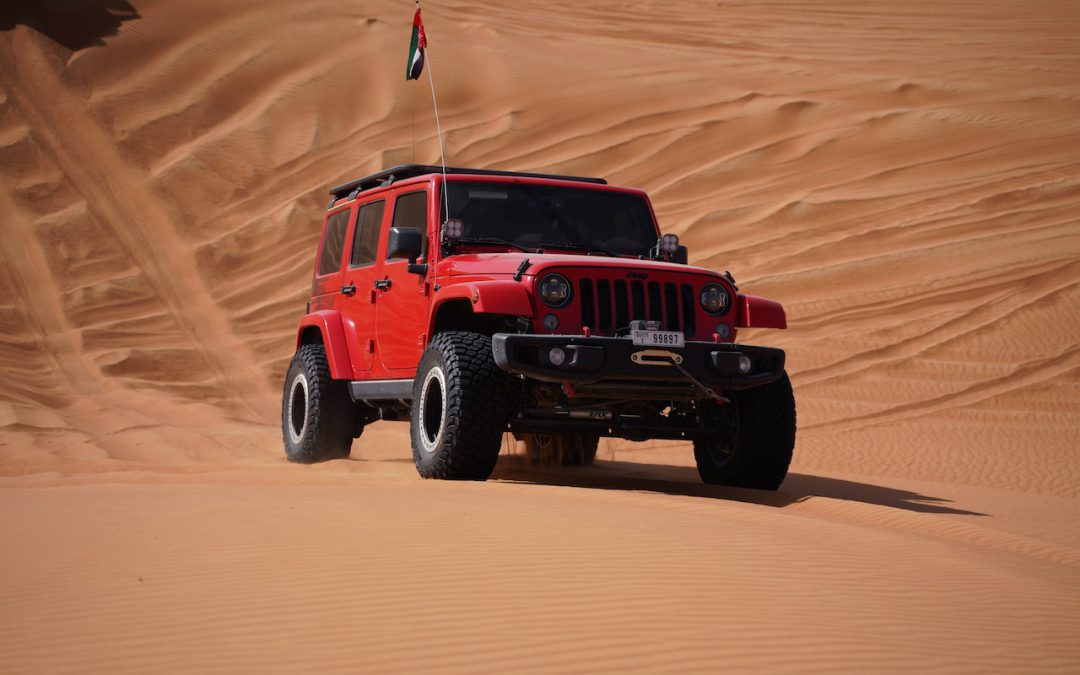
Prepping your vehicle for a Moab or Rubicon Trail trip means checking all the core systems, fixing weak components and packing the right gear for hard off-road use. Both trails exert extreme wear and tear on components such as tires, brakes, axles and suspensions. Good prep begins with a comprehensive checkup. Search for leaks, worn bushings, or loose bolts. Go with tires that have a deep tread and strong sidewalls. Air down for grip. Carry tools, spare parts and recovery equipment, such as a tow strap or patch kit. Make sure to check your fluids, lights and battery for consistent power. Planning can help avoid risk and breakdowns. Below, find a step-by-step list to assist in prepping any 4×4 for the trail.
Key Takeaways
- Be sure to think about your vehicle’s existing condition and abilities before taking on Moab or Rubicon, and make any necessary adjustments or upgrades depending on your rig’s shortcomings and weight.
- Be ready to get dirty. Handpick your trail companions—know their strengths and weaknesses. Vehicle prep is crucial too before a Moab or Rubicon run: drivetrain, suspension, tires, fluids, protective equipment.
- As for your driving, practice basic off-road driving skills, consult experienced off-roaders, and consider taking a training course to gain the confidence and technical know-how needed for technical terrain.
- Wrap your rig with recovery systems, bring trail-specific tools and parts, and plan for breakdowns when venturing on isolated trails.
- Build route smarts, review maps, plan for hazards, and let trusted contacts know your itinerary. Prepare your mind for the unpredictable nature of the dirt.
- Make sure to spend your money on quality personal gear, supplies, and eco-friendly behavior to keep you comfy, safe, and light on the land throughout your adventure.
Assess Your Rig’s Reality
Preparing a rig for off-road adventures is never a cookie-cutter project. Before you plot your course, a candid appraisal of your rig’s reality and your own abilities is indispensable. This prevents breakdowns, increases safety, and brings realistic expectations on what you and your vehicle can accomplish on challenging trails.
Baseline Capability
|
Feature |
Off-Road Suitability |
Pros |
Cons |
|
4WD/AWD System |
Essential |
Improved traction, control |
Adds weight, higher maintenance |
|
Skid Plates |
Highly recommended |
Protects underbody, vital parts |
Extra weight, reduces clearance |
|
Off-road Tires |
Critical |
Better grip, puncture resistance |
Expensive, wears faster on pavement |
|
Locking Differential |
Necessary |
Maximizes wheel traction |
Costly, complex repair if damaged |
|
Frame Recovery Points |
Must-have |
Safe winch/tow hook-up |
None if properly rated |
Engine power and torque come into play when scaling steep hills or navigating rough terrain. Ground clearance is still important, at least 25 cm, to keep the underbody out of harm’s way. Verify that your frame and skid plates protect the transmission, transfer case, and fuel tank.
Drivetrain configuration influences how you tackle loose, uneven terrain. Full-time 4WD or selectable lockers help spread the torque evenly. A locking axle differential ensures both wheels turn together and do not spin in vain when traction is lost.
Driver Experience
Personal comfort and driving skill define results more than most upgrades. Fundamental trail skills, such as low-speed crawling, managing the throttle, and winching safely, need to be instinctual prior to any excursion. Train in controlled environments to hone these abilities. Reach out to local off-road groups—they often post trail advice and provide group rides for novice drivers. Consider a specialized course if you’re trying to master more technical terrain.
Trail Demands
|
Obstacle Type |
Skill Level |
Example |
|
Deep ruts |
Intermediate |
Uneven ground |
|
Large rocks |
Advanced |
Rocky trails |
|
Water crossings |
Intermediate |
Seasonal streams |
|
Steep climbs |
Advanced |
Inclines and hills |
Things like rocks, ruts, mud pits, and other obstacles are plentiful. They demand deliberate wheel positioning and cautious throttle usage. Weather changes can make easy sections dangerous, especially when wet. Skill is very section-specific, so plan carefully, carry a map, and always ensure communication options are ready for safety.
Your Vehicle Prep Checklist
Preparing a vehicle for Moab or Rubicon trails requires meticulous inspections and wise preparation. These trails test machines, so every detail counts. It hits the fundamentals: mechanicals, gear, and all how to pack it for an easier, more secure journey.
Drivetrain and Axles
Inspect for leaks, worn joints and loose mounts. Have the transfer case checked to make sure it works right because you’ll be using both high and low ranges on the trail. Check axle seals for seepage to prevent fluid loss that can cause a stranding breakdown. Heavy-duty axles, like chromoly shafts, are worth considering for big-tire or high-powered rides; these enhancements reduce the risk of snapping an axle on tough ascents. Fill up or replace differential fluid with the grade that suits your climate.
Suspension and Steering
Examine shocks, control arms, and bushings for cracks or bends. Off-road shocks and progressive-rate springs manage rougher ground more effectively and help maintain tire contact with the rocks. Steering links and tie rods should be tight, with no play in joints. If your steering wheel is loose, tighten it before you go. Get an alignment check, because bad alignment causes fast tire wear and poor handling.
Tires and Wheels
Select off-road tires with deep tread and reinforced sidewalls. Mud-terrain or all-terrain tires perform best. Inspect them for damage, uneven wear, or low tread. Bring along a tire deflator for those fast air-downs on sand for grip and comfort. Wheels have to correspond with the tire size and load rating. Bring a spare that matches your set and test that the lug wrench actually fits.
Armor and Protection
Mount skid plates under the engine, transmission, and fuel tank. Rocker guards protect lower body panels from rocks and brush. Fender flares allow you to accommodate wide tires and keep debris at bay. Bumpers enhance approach angles and provide you with badass tow points in the event you require a winch or recovery.
Fluids and Maintenance
Check all fluids: engine oil, coolant, brake, and gear oil. Old or soiled fluids can cause overheating or failure. Check belts and hoses for splits, wear, or leaks. Replace any that appear worn. Brakes must be at full strength with thick pads and no leaks at the lines or calipers.
Essential Recovery Systems
Proper recovery systems aren’t just nice to have, they’re absolutely critical if you’re considering a Moab or Rubicon trip. These trails can test even the most well-prepped rig, so carrying the proper recovery tools and supplies keeps you safe and on the move. A well-prepared vehicle should have the following recovery systems:
- Tow strap and shackles
- Traction boards
- Foldable shovel
- Winch
- Stocked first aid kit
- Communication devices
- High-quality suspension and tires
- Comprehensive fluid kit
- Basic hand tools
- Fire extinguisher and onboard welder
- Group travel plan
Tow strap and shackles are easy and fast for recovery to assist in extracting a bogged down rig or snagging a tug from another TrailBlazer. Webbing straps with a working load above 8,000 kilograms are ideal. Shackles, whether steel or soft, attach the strap to relative anchor points. Always inspect the shackles for cracks or fatigue prior to each use. This is fundamental equipment, yet it is the most abused on the trail when thrown across a deep rut or water crossing.
Add traction boards to your recovery arsenal for when you get buried in sand, mud, or snow. Traction boards are light and you can shove them under your tires to gain traction and move forward. Most are constructed of tough plastic with raised grips. They serve as an impromptu shovel. Select boards that are convenient to store and quick to clean post-prep. When selecting traction boards, opt for boards rated to a minimum of 3,500 kg and test fit them prior to your journey.
To be prepared for the unexpected, always pack a collapsible shovel for ditching tires that are stuck and clearing rocks and branches. Steel-bladed shovels with a collapsible handle provide easy storage and durability for rugged terrain. A shovel can assist in putting out little fires or excavating a trail around bottomless sludge. It’s simple but good and doesn’t take up much room in your car.
Trail-Specific Spares and Tools
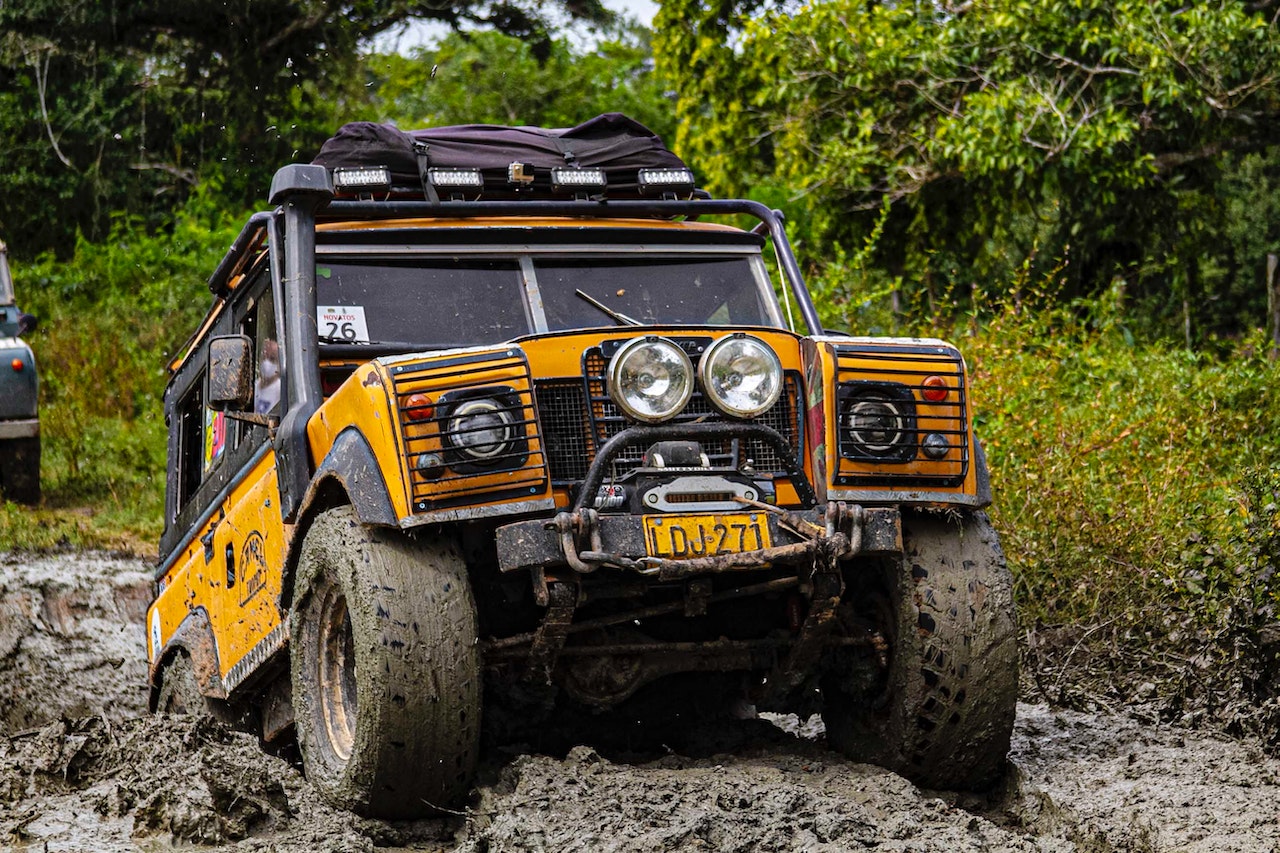
Any run to Moab or the Rubicon Trail requires intelligent preparation. Off-road trails are treacherous, and the proper spares and tools aid in your safe return. Packing smart reduces misery and offers security.
- Full-size spare tire for uniform fit and strength
- Tire repair kit to patch punctures or plug small leaks.
- Hand tools: wrench set (metric and standard), screwdrivers, pliers, adjustable spanner
- Socket set with key sizes for your vehicle’s bolts and nuts.
- Hi-lift jack for lifting the vehicle in rough or soft ground.
- Winch rated for at least twice your vehicle’s weight, remote if possible.
- Synthetic rope and tow strap for tows and quick pulls.
- Tree strap, clevis, dowels, and strong chain for recoveries requiring anchor points.
- The comprehensive fluid kit includes engine oil, brake fluid, power steering fluid, coolant, and a spare oil filter.
- Spare air filter for dusty trails and a funnel for clean fluid filling.
- Fully stocked first aid kit with bandages, antiseptic, pain relievers, and gloves.
- Fire extinguisher (ABC type) for small fires or emergencies
- Spare a set of clothes in a sealed bag to stay dry and warm.
Hand tools are the lifeblood of any trail kit. A wrench set tightens or loosens key bolts. Screwdrivers are useful for small interior or engine repairs. Pliers grip, twist, and cut as you need them, and a socket set fits most fasteners you will encounter. These tools address most minor breakdowns or tuning out on the rocks. For tire disasters, a repair kit that includes plugs, patches, and a portable air pump gets you back on two wheels after sharp rocks or nails carve through rubber.
Fluids are more important than you think. Off-road ascents warm up motors and overburden systems. If you’re carrying oil, coolant, and brake fluid, you can top off or replace what leaks or burns off. A spare air or oil filter is a lifesaver when dust or debris clogs the system, as it often does in dry locales such as Moab.
Recovery gear makes a real difference when you get stuck. A powerful winch, hi-lift jack, and recovery ropes or straps allow you to pull yourself out of holes or scale big rocks. Trail-Specific Spares and Tools, tree straps, clevises, and other hardware help you anchor safely to trees or other rigs. A fire extinguisher protects from little engine fires, and extra clothing comes in handy when you’re wet, muddy, or chilled.
The Mental Preparation
Mental prep is key prior to taking on trails like Moab or Rubicon. These trails push both driver and machine through days of stony ascents, deep trenches, and volatile conditions. On the Rubicon Trail, veteran off-roaders understand that technique is not sufficient. Drivers experience genuine solitude, exhaustion, and must remain composed under pressure. Having your head straight can be the difference between a safe, fun adventure and an expensive, debilitating experience.
- Visualize your route, anticipate obstacles, and mentally rehearse responses.
- Keep your cool, particularly when you hit snags or suffer a defeat.
- Stay flexible with shifting trails and weather conditions.
- Prepare for isolation and limited comforts in remote locations.
- Let trusted contacts know your route and plans.
Route Intelligence
Review and memorize every map and GPS data you can before you go. Knowing where you are going is more than just tracking a line. It’s about knowing where the hard sections are, where you can back-peddle, and what type of terrain you will encounter. The Rubicon Trail, for instance, offers granite slabs, ledges, and water crossings. Being familiar with these ahead of time informs your plan.
Expect trouble and make backups. If a boulder stands in your intended course, you have to know whether a bypass exists or if you must retrace your steps. Out in the sticks, navigation apps keep you on course, but paper maps are a must-have backup. Letting others know your chosen path and timetable isn’t only wise, it’s essential, as external aid can be hours or days distant.
Mechanical Empathy
Understanding the principles behind how your truck or 4×4 operates instills confidence. If you identify strange noises or steering shifts, you can prevent issues before they escalate. Get to know how to check fluids, belts, suspension, and tyre pressure manually. Practice low-hanging fruit projects such as changing a tire or re-attaching loose wires. These will help you keep stress in check and your trip in motion.
Trust builds between you and your car. Knowing what it should feel and sound like allows you to detect problems early. This feeling of connectedness can transform a struggle into a rewarding and memorable aspect of the adventure.
Emergency Protocol
Have a strategy in place for how to respond if your car dies or someone is injured. Bring a first aid kit and learn some basic medical steps. If you’re out in the boondocks and haven’t got cell service, bring a satellite phone or radio just in case. Tell people you trust about your plans and check-in times.
Beyond the Vehicle Itself
Getting ready for Moab or Rubicon isn’t just about your rig. There are other things to think about: your own comfort, safety, and the impact you leave on the trail. Off-roading requires a strategy for both the anticipated and the unexpected.
Clothing and camping equipment have to align with the spectrum of weather you might encounter. Trails can shift from hot sun to cold rain in a few hours. Pack light shirts for the day, a warm coat for the night, and rain gear. Hard boots and a hat assist with traction and sun. If you’re camping, a solid tent, sleeping bag, and mat are essential. Pack some spare clothes, blankets, and a flashlight for backup in case things go awry or you get stuck. A little kit with a knife, matches, and a whistle provides an extra bit of protection.
Water is key. You can require as much as four to five liters per person per day, more if it’s hot or you’re exerting yourself. Include quick hits of energy, like nuts, dried fruit, and bars. They’re light and keep beautifully, which is important when room is scarce. Think smart; bring reusable bottles or hydration packs to reduce waste.
Waste needs a plan. Take bags for all trash and food scraps so nothing lingers. If regulations permit, bring along a small shovel to bury biodegradable waste. Many trails are rigorous with “leave no trace” regulations, so inquire in advance. This clears the land for the next cadaver.
Safety is about more than just the car. Stock a first aid bag with bandages, antiseptic, gloves, and any medicine you require. A longer-range GMRS radio comes in handy in crowded areas or if you really need assistance. Try not to venture out solo, as groups are safer and can assist if there’s trouble. If you encounter other drivers, inform them of your party size or if you’re in the rear. This eliminates trail ambiguity.
Maps are important too. Phone service is spotty or non-existent in certain areas. Bring a paper map just in case. Research your stretch and know what to expect with terrain and weather. It’s fun and challenging. It doesn’t hurt to plan ahead and show up prepared for what the trail might throw your way.
Conclusion
Preparing your rig for Moab or Rubicon is more than a glance over. Little things like a new air filter or tight bolts can make a huge difference out there. Inspect your winch cable for frays, change out old fluids, and test your lights. Bring along some spares like belts and hoses. Pack the right tools, not just a full box. Trust your instinct and remain vigilant on the trail. Discuss logistics with your group before rolling out. A clever strategy, proper equipment, and level-headedness enable you to maximize the adventure. Want more tips or to share your own trail stories? Leave a comment or browse other guides here on the blog!
Frequently Asked Questions
What vehicle checks are crucial before a Moab or Rubicon trail trip?
Check all your fluids, brakes, tires, suspension, and undercarriage. Make sure everything works. Straighten out any leaks or damage before you hit the road for safety and reliability.
Which recovery systems are essential for challenging trails?
Bring a recovery strap, d-shackles, a trusted winch, and a shovel. These tools can help free your vehicle if it becomes stuck and make sure you’re able to assist others on the trail.
What spare parts should I bring for Moab or Rubicon trails?
Bring along tires, belts, hoses, fuses, and basic fluids. These catch the usual suspects that can bring a hard-core trail trip to a frustrating crawl.
How should I mentally prepare for off-road trails like Moab or Rubicon?
Do your trail research, know your vehicle’s capabilities and prepare for the unpredictable. Keep your cool. Being mentally prepared lowers your stress and assists with decision making in hard situations.
Are there specific tools required for these trails?
Pack a basic tool kit with wrenches, pliers, screwdrivers and a tire repair kit. These tools enable you to do minor trail repairs and maintain your trip progress.
What non-vehicle items should I never forget?
Make sure you always bring enough water, food, a first aid kit, and navigation tools. These necessities support your security and health, particularly off the beaten path.
How can I ensure my trip is environmentally responsible?
I went to the Rubicon Trail. Responsible practices safeguard the wilderness and preserve access for future adventurers.
Boost Your Luxury Car’s Performance with Expert Upgrades at autoTECH Blackhawk.
Give your luxury vehicle the attention it deserves with specialized performance upgrades from autoTECH Blackhawk. Our technicians know how to elevate high-end cars with precision work that enhances power, handling, and overall driving comfort. Whether you want sharper acceleration, smoother control, or a refined suspension setup, we tailor every upgrade to match the unique demands of your luxury model.
At autoTECH Blackhawk, luxury performance means more than speed. It’s about craftsmanship, protection, and long-term reliability. Every upgrade is supported by our 3-year and 36,000-mile warranty on related repairs. We use only top-quality, manufacturer-approved parts to ensure your vehicle performs at its best. From advanced exhaust and intake systems to ECU calibration and suspension refinement, we deliver upgrades that feel seamless and sophisticated on the road.
Ready to raise the bar for your luxury car? Reach out to our team to schedule your performance upgrade consultation and see why drivers trust autoTECH Blackhawk for exceptional quality and elevated driving experiences.