
Key Takeaways
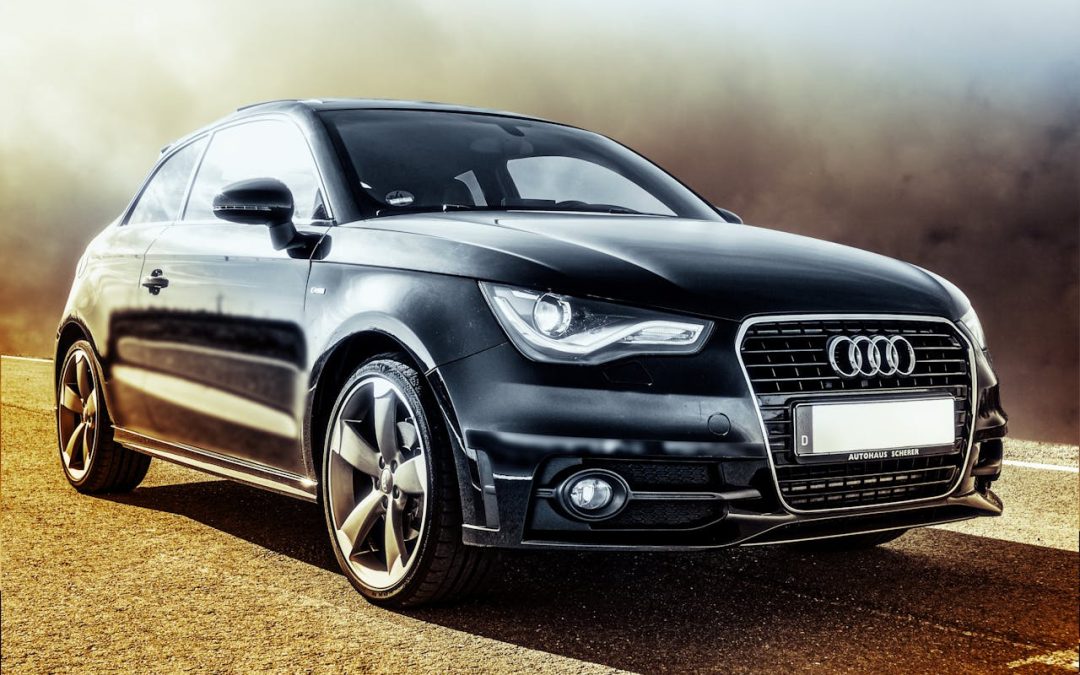
- Regular maintenance and careful documentation are essential to preserve the performance, reliability, and resale value of a luxury vehicle. This ensures both longevity and buyer confidence.
- By staying on top of dings and scratches and keeping it looking as new as possible, you’re protecting the vehicle’s beautiful looks as well as your resale value in the cutthroat luxury market.
- Keeping an eye on mileage and steering clear of aggressive aftermarket parts are important tactics for preserving your desirability to potential buyers and market norms.
- Using specialist mechanics, OEM parts, and investing in advanced diagnostic services strengthens the vehicle’s technical integrity and buyer confidence in its premium condition.
- By taking the initiative to address these secondary maintenance factors, such as tire quality, battery health, and software updates, you improve performance, safety, and marketability worldwide.
- Getting the car ready to sell with detailed cleaning, small repairs, and a ‘story of ownership’ generates an impression that carries over to foreign buyers and increases the ultimate sale price.
To protect the resale value of a luxury vehicle, consistency and expertise matter. That’s why discerning owners rely on autoTECH Blackhawk, the trusted specialist for European and high-end cars, to keep their vehicles running—and looking—their best.
Stay on top of routine maintenance, follow factory-recommended service intervals, and address issues as soon as they arise. A reputable expert like autoTECH Blackhawk ensures that every inspection is thorough, every repair uses the correct high-quality parts, and every service meets the exacting standards of brands like BMW, Mercedes-Benz, Audi, Porsche, and other elite marques.
Keep the vehicle clean inside and out, protect it from harsh weather, and adopt smooth driving habits that minimize wear. Avoid unnecessary modifications; aftermarket add-ons, custom paint, and non-original components can undermine value.
Most importantly, document everything. Buyers place a premium on vehicles with complete service histories, so save all receipts and inspection reports—especially those performed by specialists recognized for their expertise.
With the right care and the right shop, your luxury car will hold its value far longer. Next, explore the 10 steps that help keep your car’s value steady.
Key Strategies For Value Preservation
Retaining value on a luxury car is really a combination of technical maintenance, savvy record-keeping, and basic habits that preserve the car’s condition. Every step counts for purchases and sales around the world, regardless of brand or nation.
1. Meticulous Maintenance
Regular oil changes, fluid checks, and tire rotations are the foundation of luxury vehicle maintenance. They keep the engine running at its best and stop problems in their tracks that can trigger costly repairs. Keeping up with the seller’s maintenance schedule isn’t just about dodging major repair expenses; it maintains warranty coverage, which is a major attractant for purchasers.
Professional detailers help maintain a new-car look both inside and out. Detailing washes off grime, protects paint, and recaptures luster that can fade in extreme weather conditions. Dealing quickly with warning lights and weird noises usually results in small repairs, not big, costly ones. Preventive care, like regular inspections, can catch issues before they expand.
2. Comprehensive Documentation
Diligent documentation of each service, such as brake pads and fluid, establishes transparency and confidence for prospective buyers. Keep receipts and service reports for every service visit.
A digital archive simplifies sharing these histories and demonstrates that the car was well cared for. Emphasizing any warranties or service plans is a fantastic selling point because purchasers love to hear there’s support while they’re using it. Add in receipts or certificates for upgrades or modifications, particularly if they improve performance or style in a luxury market-appealing way.
3. Cosmetic Integrity
For the exterior, maintaining value translates to washing, waxing, and occasionally applying ceramic coatings. These protect the paint against the sun, rain, or road debris. Minor scratches and chips, when repaired immediately, do not morph into more serious issues that damage value.
Inside, routine cleanings and protective coatings prevent stains from taking hold and keep things looking fresh. Harsh chemicals should be avoided because they can cause fading or damage to fine fabrics. Appropriate storage, whether a garage or a cover, guards against the elements and extends the rate of depreciation.
4. Mileage Management
Low-mileage luxury cars invariably command a premium. By restricting short jaunts and opting for non-automotive errands, you can maintain low mileage. Tracking mileage trends over time provides owners with a tangible sense of how their habits may affect resale value.
Knowing how comparable models are powered and marketed establishes reasonable expectations. Knowing the typical mileage for your car type and adapting habits to meet or exceed it is important.
5. Originality And Modifications
Too many after-market modifications can detract, particularly if they diverge significantly from stock specs. That’s why most luxury auto buyers opt for cars with original equipment.
When classy changes do add value, such as premium audio or professional performance tuning, hold on to any paperwork and be prepared to talk up the advantages. To collectors, authenticity counts. Customizations have to appeal to the mass luxury market, not just yourself.
The Specialist Advantage
Handing a high-end vehicle to a true specialist is more than routine servicing—it’s an investment in long-term value. That’s why owners of European and luxury models turn to autoTECH Blackhawk, the trusted expert dedicated to brands like Mercedes-Benz, BMW, Audi, Porsche, and other premium marques.
At autoTECH Blackhawk, decades of focused training and hands-on experience with advanced diagnostics, telematics systems, and brand-specific procedures ensure your vehicle operates exactly as its engineers intended. This precision reduces the risk of improper repairs, protects performance, and helps preserve resale value.
A long-term relationship with a specialist matters, too. autoTECH Blackhawk learns your car’s unique characteristics, service history, and evolving needs—insight that’s often lost in general repair shops. And because their team stays connected to manufacturer technical bulletins, high-quality parts networks, and best-practice repair protocols, you gain access to expertise that generalists simply can’t match.
By choosing a shop that truly understands your vehicle’s heritage, you safeguard its reliability, its performance—and its value.
OEM Parts
ALWAYS select OEM parts for every repair! They’re the originals, made by the car’s own maker, so they integrate perfectly with your car’s systems. With OEM parts, your luxury car will continue to perform like it. Buyers typically want evidence that original parts were the only components used, as this reduces their risk over time. Maintain service records and receipts for all OEM replacements. This record adds another level of confidence at resale. Steer clear of generic or aftermarket components. They might appear alike, but can screw things up. They possibly don’t hold up as long or can diminish your car’s performance. Over time, this decision can reduce your resale value.
Proactive Care
Arrange periodic visits from your specialist. Early checks can catch small problems before they become expensive fixes. Be sure you know about any recalls or service bulletins for your particular model. This helps to keep your car both compliant and safe. Invest in care, not just fixing. Regular oil changes, brake inspections, and fluid replacements keep your car dependable. Apply diagnostic tools to track the vehicle’s systems. They assist in identifying problems prior to experiencing them on the road.
Diagnostic Expertise
Seek out mechanics with high-end diagnostic abilities. Luxury cars can have intricate electronics and mechanical systems. Expert technicians employ proprietary scanners to identify issues fast and accurately. Save all diagnostics. These provide potential buyers with a transparent history of how the car was maintained. The right specialist can provide you with tips on frequent problems for your specific model, keeping you one step ahead of damage.
Understanding Depreciation Curves
Depreciation is the most important factor when thinking about resale value for luxury cars. Unlike typical cars, prestige cars have more aggressive depreciation, which is most pronounced in their initial years. Here’s the typical depreciation curve for luxury models, for a nice visual perspective.
|
Year |
% Value Remaining (Luxury) |
% Value Remaining (Regular) |
|
0 |
100% |
100% |
|
1 |
75-85% |
85-90% |
|
2 |
60-70% |
75-80% |
|
3 |
50-60% |
65-70% |
|
4 |
45-55% |
60-65% |
|
5 |
40-50% |
55-60% |
|
6+ |
35-45% |
50-55% |
Initial Drop
Luxury vehicles have the most aggressive depreciation curve, shedding up to 50 percent of their value within three years of ownership. This high rate is typically the result of quick tech shifts, changing market demand, and exorbitant new-car markups. Buyers hoping to sidestep this blow frequently choose certified pre-owned (CPO) luxury cars, which have already taken on the initial major depreciation. Maintaining a new luxury car in pristine condition, routine maintenance, gleaming interiors, and gentle driving can decelerate this initial skid. It’s best to sell before year three finishes, because if you wait,t then the drop intensifies and the opportunity to recoup costs shrinks.
Gradual Decline
Following the initial sharp decline, depreciation continues at a reduced rate of 10 to 15 percent per year. Owners should stay on top of all suggested maintenance and repairs, as buyers during this stage are very condition-conscious. Pay attention to your model’s depreciation curve; certain brands or trims hold value better, depending on supply, demand, or new launches. Use this time to polish the vehicle’s look: fix dents, replace worn parts, and keep mileage under 12,000 km a year. These steps assist in staving off value depreciation and increase the car’s desirability at the time of sale.
Value Plateau
Certain luxury models, particularly those with timeless styling or limited editions, experience a depreciation plateau. Buyers will pay for good-condition vehicles with complete service histories and unique options. Study depreciation curves; some makes and models hold value really well, buy those. Hold on to all service work, clean titles, care receipts, etc. Feature exclusivity and mint condition in your ads to attract buyers seeking high quality and status.
Beyond The Basics
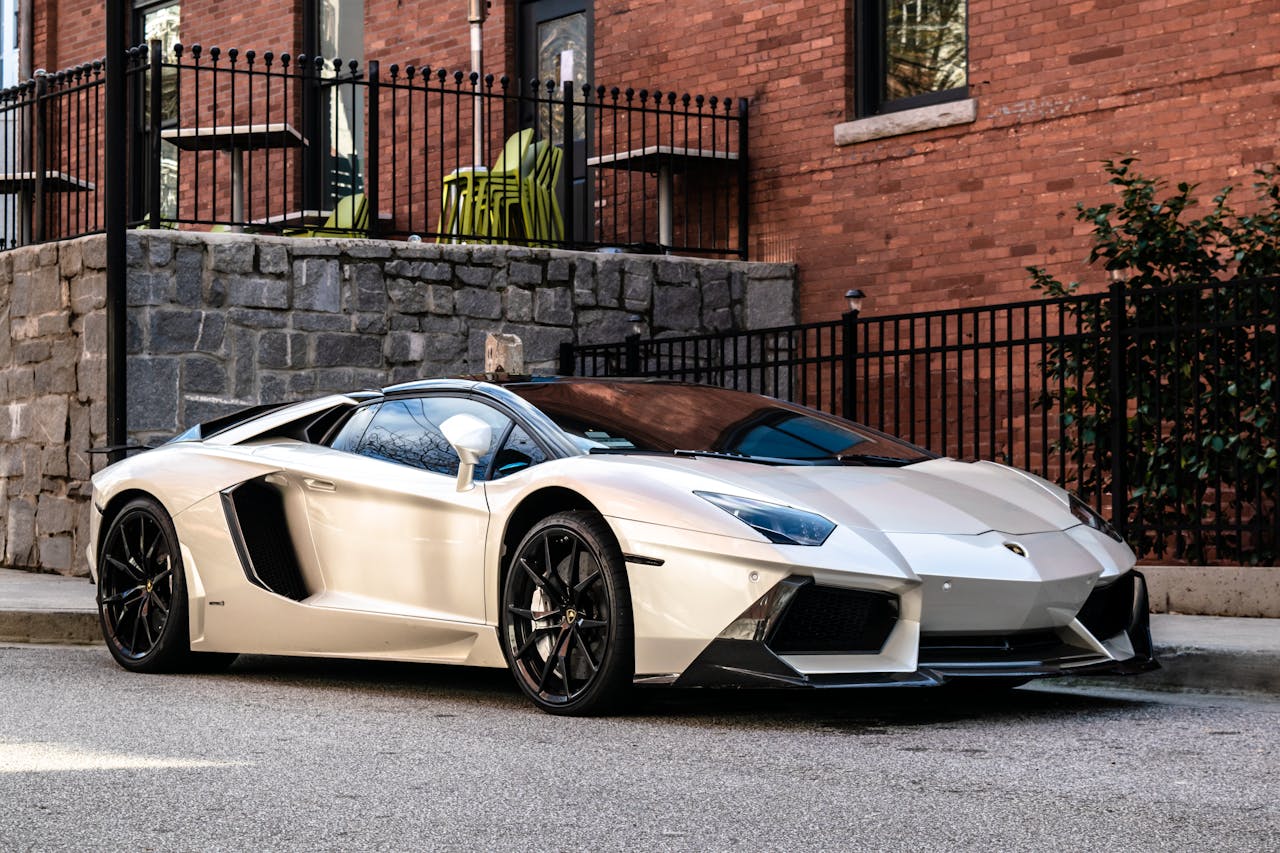
There’s more to keeping the resale value of a luxury car than following the recommended service intervals. Beyond the standard oil change and brake inspection, there are some fundamental areas, such as tires, batteries, and software, that have a significant impact on a vehicle’s resale value. These considerations, as well as smart renovations and decluttering, can go a long way when it comes to selling.
Key Maintenance Aspects Impacting Resale Value:
- Protect paint with ceramic coatings for the long term, even in harsh weather.
- Shelter your ride, both outside and inside.
- Go for smart upgrades like Bluetooth and park assist.
- Remove personal items and restore the vehicle’s original look.
- Stay consistent with detailing and scheduled maintenance.
- Cars in warmer climates may depreciate more slowly because there is less strain on the engine.
Tire Quality
Luxury vehicles require tires that align with their horsepower and suspension characteristics. Good tires make the ride smooth, the control tight, and the safety high. If you use cheaper tires, it can make the car feel less refined and diminish resale value.
Look at that tire tread depth and pressure once a month. Not only does this keep you safe, it helps the tires wear evenly. See cracks, bulges, or uneven wear, replace before they become a problem! Save the receipts and record every tire change in your maintenance log. Buyers feel better when they can see tangible evidence of care.
Seasonal tire swaps, like winter tires for snowy months or performance tires for hot weather, keep the car running its best in all conditions. This step can count more in locations with significant climate swings.
Battery Health
Most luxury vehicles have sophisticated electronics that stress the battery. Be alert for hard starts, warning lights, or loss of power. If the battery is older than three years, get it inspected with a voltage check.
Trade the battery before it dies, even if it’s still good. A dead battery on a test drive or inspection could reduce a buyer’s confidence. Save every receipt and keep a log of battery changes to demonstrate the vehicle’s dependability.
Employ battery tenders or care products if storing for long periods. This will add to its longevity. Cars that live in mild climates tend to experience fewer battery problems.
Software Updates
Contemporary luxury vehicles require software patching to maintain feature fluidity. Updates can patch bugs in infotainment, fuel systems, or even safety aids.
Hit your trusted dealer or specialist once a year for diagnostics and updates. You want every update logged in a service folder for a future buyer to see.
Buyers who want bells and whistles and slick tech anticipate current software. Even minor upgrades can be value-adds, particularly if the car was loaded with options like smart parking or navigation.
Presenting Your Vehicle
A luxury car’s trade-in value is as much about how you present it to potential buyers as it is about its mechanical state. A car that looks cared for shows you’re not ignoring the minor faults, and a good story can make your car stand out in a sea of vehicles for sale. The following checklist breaks down the essential steps to present your luxury car for maximum value:
Pre-Sale Detailing
Begin with a pro detail. Nothing boosts that initial impact more than a deep clean of every surface—inside and out—to bring back the vehicle’s original shine. Ceramic coatings for the exterior protect paint from sun, salt, and humidity, which are the biggest factors in fading and corrosion. This step alone can discount depreciation by up to 15%. The interior warrants close inspection. Steam clean the upholstery, polish the trim, and treat the leather so it doesn’t crack. Caring for the cabin against rough treatment ensures your car holds its value for a longer period of time. Don’t forget your undercarriage and body panels, as rust can run, and buyers do pay attention to those things. Highlight the professional detailing in your listing because buyers looking for a well-cared-for luxury vehicle will pay top dollar for proof.
Minor Repairs
Take care of those little repairs before the sale. Change out bald tires, buff out scratches or dents, and take care of little mechanical things. Maintain receipts and records of all repairs. Detailed records can increase resale value by ten to fifteen percent. Pay attention to cosmetic repairs, such as chipped paint, cracked lights, and loose trim, because visible imperfections make buyers wonder what else you didn’t maintain. Be upfront about any fixes or improvements. Honesty creates trust, and buyers love to hear exactly what’s been done.
Storytelling
Tell your vehicle’s story in a buyer-friendly manner. Discuss its care path, emphasize special characteristics, and include memorable journeys if applicable. This personal touch allows buyers to visualize themselves in the car and creates an emotional connection. For instance, if it was driven on scenic coast roads or was a ‘special occasion’ type of car, include that detail. Highlight luxury trim, premium stereo, comfort packages, or technology enhancements that customized your ownership experience. A good story makes a car jump off the page or screen and achieve a higher asking price.
The Psychology Of A Buyer
Luxury car buyers tend to enter the market with their own special mix of desire, wariness, and game-playing. Their cravings are formed from the need for specialness, prestige, and that new ownership high. This feeling of goodness reaches its highest point during the first weeks or months, when the novelty and pride of an ultra-high-status object are at their highest. Buyers, in time, become pragmatic, considering the day-to-day concerns such as depreciation, insurance, and that initial scuff or blemish that breaks the showroom silence. The desire for newness is hardwired into our psyches, and knowing this allows a seller to position their vehicle in a way that connects with a consumer looking for more than a car – looking for a status.
Emphasizing the exclusivity and cachet of a luxury car is essential. Rich customers buy into the artistry, the detail, and the brand history that goes into high-end versions. Little things such as perfect stitching, premium leather, or custom trim can communicate the attention and investment in the vehicle. For instance, highlighting original equipment, scarce edition badging, or that immaculate service history can set the deal apart. Buyers love classics like black, white, grey, and silver, not only because they are timeless but because they retain their value better on the secondary market, which appeals to their practical fancies even more.
Tackling reliability and maintenance costs is key. Luxury cars, while aspirational, have increased maintenance, insurance, and sometimes fuel costs. Buyers have budgets that incorporate these ongoing expenses, not just the buying price. Nothing gives buyers more confidence than seeing explicit maintenance records, recent inspection results, and proof of consistent care. Being upfront about running costs and providing practical details, like average service intervals or insurance quotes, shows transparency and instills confidence in buyers.
Making the experience feel open and educational on tours is equally important. Buyers love an environment where they can examine the car up close, inquire freely, and receive candid information about the car’s history and characteristics. Staging the car in a clean, bright area, allowing test drives, and coming prepared with paperwork all make for a good experience.
Conclusion
To retain resale value on a luxury car requires more than standard maintenance. Keep abreast of service, maintain clean records, and choose reliable shops for repairs. Maintain inside and outside cleanliness. Use easy upgrades such as paint film or window tint to prevent wear. Make your car shine with bright pictures and forthright details. Know how buyers think—they seek trust, transparent history, and solid style. Everything helps, even little things like new floor mats or a clean engine bay. Each step instills confidence and holds value dear. Need more car care and selling tips? Visit my blog for step-by-step guides and updates that simplify these steps.
Frequently Asked Questions
1. How Often Should I Service My Luxury Vehicle To Retain Its Value?
Routine servicing every 6 to 12 months, or as per the manufacturer’s recommendation, preserves performance and value. Always hold onto service records for evidence.
2. Does Using Original Parts Make A Difference In Resale Value?
Yes. Original parts help ensure quality, safety, and reliability. Buyers and appraisers appreciate a car that has the original factory parts.
3. How Can I Protect My Luxury Car’s Exterior From Wear?
Park covered, wash, and coating. They keep paint and finish safe from the ravages of weather, pollution, and UV rays.
4. Why Is A Specialist Mechanic Important For Luxury Cars?
Specialist mechanics know luxury cars’ particular requirements. Their know-how can keep you from making expensive mistakes and ensure the right maintenance is done. All of this helps maintain resale values.
5. What Documents Should I Keep For Resale?
Save maintenance records, receipts, manuals, and original purchase papers. These demonstrate the care and authenticity of the car to new buyers.
6. Does Mileage Affect Resale Value Significantly?
Yes. Lower mileage typically means higher resale value because it indicates less wear and a longer remaining lifespan.
7. How Does Vehicle Presentation Impact Buyer Interest?
A nice, clean car with no odors and no stains makes an impression. A nice presentation builds buyer confidence and gets higher offers.
Boost Your Luxury Car’s Performance With Expert Upgrades At Autotech Blackhawk.
Give your luxury vehicle the attention it deserves with specialized performance upgrades from autoTECH Blackhawk. Our technicians know how to elevate high-end cars with precision work that enhances power, handling, and overall driving comfort. Whether you want sharper acceleration, smoother control, or a refined suspension setup, we tailor every upgrade to match the unique demands of your luxury model.
At autoTECH Blackhawk, luxury performance means more than speed. It’s about craftsmanship, protection, and long-term reliability. Every upgrade is supported by our 3-year and 36,000-mile warranty on related repairs. We use only top-quality, manufacturer-approved parts to ensure your vehicle performs at its best. From advanced exhaust and intake systems to ECU calibration and suspension refinement, we deliver upgrades that feel seamless and sophisticated on the road.
Ready to raise the bar for your luxury car? Reach out to our team to schedule your performance upgrade consultation and see why drivers trust autoTECH Blackhawk for exceptional quality and elevated driving experiences.