
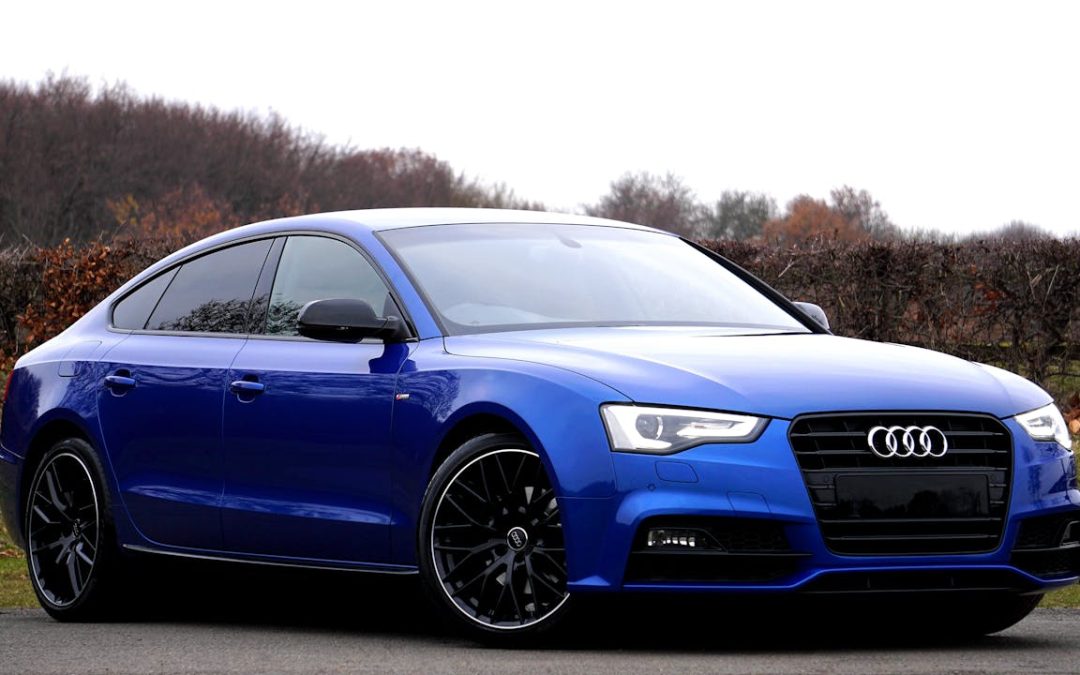
About what’s the perfect tire for daily commuters. Most urban motorists want tires that grip in the rain, last past the 50,000 km mark, and contribute to fuel economy. Soft rubber compounds assist with grip in wet conditions, while the tread clears water for safety. Commuter tires frequently feature reinforced sidewalls for more confident handling on urban tarmac. Low-rolling-resistance tires help vehicles use less gas, saving money for the driver. When selecting the right tire, consider your region’s typical weather, the kinds of roads you travel most often, and your vehicle’s specifications. Next, we illustrate how to align these priorities with the optimal tire choice.
Key Takeaways
- Choose commuter tires that offer a great balance of toughness, speed, traction, smoothness, and price based on your daily ride requirements and budget.
- These are tires with long tread life, strong warranties, and high safety ratings.
- Consider efficiency, too. A tire with low resistance and good weight will save you fuel and cut the cost of commuting.
- Select tires that hold their traction well and handle stably in wet and dry conditions for safety in a variety of settings and emergency situations.
- Consider comfort factors like noise and smoothness since both of these characteristics lead to an enjoyable, less exhausting commute.
- Be diligent with tire maintenance, including inflation, rotation, and alignment, to extend tire life and maintain comfort and safety when traveling every day.
Defining the Ideal Commuter Tire
Our perfect commuter tire needs to stand up to daily abuse, survive the seasons, and keep riders secure and comfortable. Durability, speed, security, smoothness, and value define the essence of a tire that performs for commuters across the globe. The best ones find a middle ground, combining robust materials, cutting edge tread patterns, and features designed for the practical realities of daily journeys.
Longevity
Long tread life keeps commuters off the replacement schedule. Treadwear ratings usually consist of a three-digit number and indicate the potential lifespan of a tire. A tire rated “600” should last twice as long as a “400” rated one, all things being equal. Tires designed for high mileage use, such as all-season models, are frequently constructed with harder rubber compounds for consistent performance. Top brands generally support their tires with warranties guaranteeing they will last at least 80,000 kilometers, providing additional reassurance.
Efficiency
Low rolling resistance is the name of the game for commuters wishing to save gas. Others deploy optimal tread compounds and sidewalls that trim energy loss, letting vehicles burn through fewer liters or electrons per kilometer. Lighter tires can increase efficiency and make the car easier to turn, though very light designs may sacrifice some durability. Over time, these savings on better mileage can add up, particularly for long-distance commuters.
Safety
High braking traction ratings are key to gripping even in the rain or on slick roads. Tires with high wet and dry braking scores minimize stopping distances, something that’s important to city drivers. Some have unique tread patterns for water displacement to reduce the possibility of hydroplaning. Drivers’ reviews will tell you how a tire performs during sudden braking or hard turns, providing valuable real-world safety data.
Comfort
A great commuter tire irons out bumps and stifles road noise. Softer sidewalls and high-tech tread shapes can buffer rough roads and noise-minimizing patterns keep rides quiet. User reviews can point out the tires that actually improve your ride, particularly if you have a long commute.
Affordability
Price checks across brands help uncover deals without sacrificing quality. A few budget tires still boast impressive ratings and warranties. Find trusted shops with sales and save money upfront. Consider the upfront cost versus anticipated longevity and performance to determine actual worth.
The Commuter’s Compromise
Daily commuting is about compromise. It very seldom makes everyone’s needs perfectly happy. Most drivers have to make a sacrifice between grip, comfort, tread life and cost. City tires, for instance, usually survive 64,000 to 96,000 kilometers in normal situations, but that interval can decrease with bad roads or hard use. Most commuter-specific tires emphasize ride comfort, reduced noise, and a decent level of winter performance. The optimal tire, of course, varies from commuter to commuter; roads and driving styles do as well. The commuter’s compromise is about balance, not excellence in any particular domain.
Grip vs. Lifespan
Tires made for grip, with soft rubber compounds, wear down quicker than hard, lifespan-centric ones. This is most pronounced in urban environments, with their frequent stops, starts, and sharp turns that accentuate tread wear. Traction matters in the rain and the city but not on dry country roads. All-season tires provide a compromise, giving you decent grip and longer tread life with moderate rubber blends. Commuters need to consider their routes. Those who drive in largely dry, predictable climates tend to favor more durable tires, while those in wetter or more variable areas may require extra traction and simply deal with replacements sooner.
Comfort vs. Handling
Comfort-oriented tires employ pliable sidewalls and unique tread patterns to soak up bumps and reduce noise. The trade off is they can mush a bit in hard turns, decreasing handling feedback. A few high-end tires employ hybrids, mixing plushness with added stiffness for crisper handling. Performance passenger tires, such as those used on many sedans or crossovers, strike a nice balance with these characteristics, which is why they’re a great option for mixed driving. The feel of the drive, how it hugs curves, responds to quick changes in steering and road conditions, depends a lot on this balance. For commuters, a smooth quiet ride usually takes precedence over razor-sharp handling unless their commute involves winding roads or aggressive traffic.
Cost vs. Performance
Premium tires are more expensive but usually feature superior materials and state-of-the-art designs that increase speed and lifespan. They do exist and they do come in affordable packages that provide good mileage and adequate tread for the average commute.
- Assess your driving conditions and climate needs
- Compare tread life warranties versus upfront costs
- Check noise and comfort ratings from trusted sources
- Weigh the long-term value against the initial spend
Tire performance ratings go a long way toward justifying paying more. They provide tangible information on how a tire will endure and respond in everyday situations. For the value hunters out there, this is where you want to balance budget with anticipated life span and comfort.
Your Route Dictates Your Tire
Daily commutes are not created equal. Where you drive the most—city, highway, or a combo—determines which tire is right for you. Tire designs cater to specific road types, climate, and real-life hazards. Choosing the right kind translates to superior security, ease of use, and economy all season long.
Urban Driving
City streets require tires that make tight turns, handle stop-and-go traffic, and withstand road wear. Comfort and grip are key as you navigate potholes, traffic, and painted crosswalks. Tires with softer compounds and flexible sidewalls help absorb bumps, providing a smooth ride even on broken pavement.
Noise is an issue in urban areas. Closed shoulder blocks or variable pitch tread patterns reduce hum, perfect if you sit in a lot of traffic. Urban tires require reinforced sidewalls and durable rubber to withstand the wear and tear of congested streets.
Highway Driving
Highway tires need to maintain car stability at higher speeds. Stiff sidewalls, optimized tread blocks, and silica-rich compounds assist control and cornering. Tires that hold their form under load provide safer and more comfortable rides on the open road.
Wet traction is especially important on rain-heavy highways. Wide grooves and angled sipes help channel water away, lowering the risk of hydroplaning. Low rolling resistance tires, such as eco or fuel-saver designs, reduce fuel consumption—an advantage for commuters with long-distance drives.
Thoughtful tread patterns also help keep tires cool, stable, and quiet, enhancing safety and comfort during long trips.
Mixed Conditions
All-season tires combine features for city grip, highway stability, and water or light snow clearance. Asymmetrical and directional patterns provide grip for turns, wet braking, and straight-line control. For those who encounter gravel or poorly maintained roads, all-terrain or touring tires offer extra durability and peace of mind.
When routes vary frequently or weather is unpredictable, specialty tires like snow or mud-rated options can be wise. Routine inspection, rotation, and maintenance help keep them performing reliably regardless of conditions.
Decoding Tire Specifications
Daily drivers have to understand the fundamentals of tire specs to make savvy decisions and keep themselves protected.
Decoding Tire Sizes
Each tire is labeled with a size code, such as 205/60R15 91V, indicating the tire’s width, aspect ratio, construction type, rim diameter, load index, and speed rating. These details are important for fit, ride, and how the tire handles roads. Selecting the proper tire size and type for your vehicle and driving habits prevents traction issues, handling problems, or premature wear.
Tread Patterns
Tread types determine how a tire adheres to the road and deals with water, snow, and dirt. Directional treads containing V-shaped grooves expel water quickly, reducing the danger of hydroplaning in torrential rain. These are suitable for rain-drenched locations. Asymmetric treads combine the patterns onto a single tire. The inside aids cornering and the outside aids straight-line grip. This helps them perform well on dry and wet pavement. Tread depth also plays a role. Deep treads sink into snow and sluice water, but once worn, wet and snow traction plummets. Shallow treads are quieter and can be smoother on dry roads, but they shed grip quickly in rain. Wide grooves reduce road noise and increase comfort, which is essential for long commutes.
Rubber Compounds
The rubber compound in a tire affects performance in heat or cold and durability. Softer compounds provide more grip, particularly in cold or wet conditions, but they deteriorate faster. Harder compounds wear longer and withstand the heat to a greater degree, but they may not provide the same level of traction on wet or cold roads. Others infuse the rubber with silica or special oils to increase grip or reduce rolling resistance, which saves gas. It’s wise to hear what the manufacturer has to say about their rubber tech. This provides hints on how the tire will probably perform day in and day out.
Sidewall Design
Sidewalls protect the tire from scrapes and impacts. Stiff sidewalls aid the car in feeling stable in turns and can make the ride bumpier. Softer sidewalls absorb bumps for a cushier ride and can flex excessively in hard turns. Certain tires have reinforced sidewalls or additional rubber layers to combat punctures, which can be handy for city motorists weaving through potholes. Elements such as rim protectors or additional pressure dots contribute to supporting tires in shape and prolong lifetime.

Beyond the Purchase
Beyond the purchase of that first set of tires, consistent maintenance and technical insight are essential to ensuring your daily commute remains safe and seamless. Quality care does more than save money; it helps keep a consistent ride, greater traction, and fewer breakdowns. For global commuters, a checklist covers four main areas: tire pressure, periodic rotation, correct wheel alignment, and the use of professional services for thorough checks.
Proper Inflation
Maintaining proper tire pressure is critical. Not enough air in the tire means it wears out more quickly, reduces gas mileage and could even lead to a dangerous blowout. If the tire is overinflated, it becomes hard and loses traction, particularly in wet conditions. Check it at least once a month or prior to any long trip. Pressure falls when seasons shift, so be especially careful in winter.
Tire makers recommend a certain pressure, typically listed on a sticker inside the car door or in the owner’s manual. Trust this number, not the one on the tire sidewall. The right pressure makes the car turn better, brake better, and ride more securely.
Regular Rotation
Tires don’t wear at the same rate as front and rear tires are subjected to different loads and turning forces. To ensure even wear, rotate them every 8,000 to 10,000 kilometers. If you commute in urban traffic with lots of stops and turns, do it slightly earlier. Always observe the rotation recommended by your car or tire manufacturer.
When flipping, look for pebbles or sharp things caught in the tread. Balance the tires at every turn! Tire balancing eliminates vibration and provides a quieter, more comfortable ride. Even wear enhances grip, particularly on wet pavement and extends tire life.
Wheel Alignment
If your steering wheel pulls to one side or you notice uneven tread wear, your wheels may be misaligned. Alignment problems can make the car more difficult to control, reduce fuel economy, and accelerate tire wear. Even minor bumps, potholes, or curb hits can throw your wheels out of alignment.
Get it professionally checked at least annually or if you detect unusual tire wear or handling. The right alignment means all four wheels are pointing the right way, which keeps your car stable at higher speeds. It helps both safety and comfort on daily routes with this simple step.
The Overlooked Factor: Noise
Noise is commonly overlooked when selecting tires. It determines how easy and breezy your daily commute feels. The monotonous hum of the road can be fatiguing, particularly on long highway drives or in stop-and-go city traffic. For daily commuters, tire noise accumulates, resulting in fatigue and stress. Many notice just how loud new tires can be immediately after a swap, highlighting the importance of this factor. Several countries now even mandate cars to make artificial noise at low speeds for safety. This brings the tire noise conversation beyond comfort and into safety territory.
Today’s tire makers employ a combination of rubber compounds, tread design, and innovative technology to reduce noise. Softer rubber, narrow widths, and reinforced shoulders that hold tread blocks firm all contribute to keeping things quiet. Some tires include a foam lining that absorbs sound for smoother commutes. Noise-reducing tires can behave identically to standard ones, with foam or insulation inserted post-production. Maintaining proper tire air pressure is crucial, as underinflated tires generate more noise and wear out faster.
How to check tire noise:
- Read independent reviews and noise tests for specific tires.
- Search for tires marked with noise-minimizing technology or ‘quiet ride’.
- Maintain proper tire pressure to the recommended level.
- Compare tread patterns and materials in product specs.
- Ask for a demonstration or test drive when possible.
Pitch Variation
Tire tread pitch variation helps mix up how sound waves emerge as the tire rotates. By crafting tread blocks in varying shapes and sizes, tire manufacturers prevent one dominant, booming noise from developing. This diffuses the noise, making it less sharp. The rate of these sounds is important as well—lower frequencies are less apparent in the cabin, while high ones are more noticeable. Tread patterns that jumble the block layout disrupt noise, creating a quieter ride for everyday driving.
Groove Design
Groove design influences more than just water displacement. It also plays a part in noise suppression, as air blowing across grooves can produce whistling or humming. While wider grooves help tires grip wet roads, if designed well, they also reduce noise. Groove depth matters too; too deep can create droning sounds, while shallow grooves may reduce wet traction. Some models add sipes—thin slits in the tread—to soften noise even further.
Shoulder Blocks
Shoulder blocks, the outer parts of the tread, impact both grip and noise. A stout shoulder block holds the tire in place during turns and prevents tread blocks from shifting, reducing noise. Larger shoulder blocks improve handling, and the way blocks are arranged—tightly packed or with small spaces—affects how much sound escapes. Properly designed shoulder blocks contribute to a smoother, quieter ride for daily commuters.
Conclusion
Choosing the perfect tire for daily commutes defines your drive. Grip, noise, and tread life all factor heavily. Roads vary, so urban blocks, expressways, and even slick shoulders require different things from your tires. Details like tread type and size are helpful, but real world things like noise and comfort count as well. You don’t need the most expensive tire, just one that matches your route and driving style. Inspect your tire’s profile from time to time. Check for wear, strange noises, or cracks. Good tires equal safe, smooth rides every day. Need some more tips or have a tire story to share? Leave your comments or questions below. Let’s roll safe together.
Frequently Asked Questions
What features make a tire ideal for daily commuting?
So, what is the best commuter tire for daily riders? It should be comfortable and quiet for everyday riding.
How does my daily route impact my tire choice?
Your course is key. Urban roads demand puncture resistance and solid wet traction. For rural or mixed surfaces, seek durability and versatility.
Why is tire noise important for commuters?
Tire noise is a comfort issue. Quieter tires are less fatiguing and make your commute more enjoyable, particularly when stuck in a long commute or traffic.
What tire size is best for daily commuters?
Go with a tire size recommended by your vehicle’s manufacturer. That makes them ideal tires for the daily commuter, combining safety, peak fuel efficiency, and balanced handling.
How can I check a tire’s wet-weather performance?
Seek the tire’s wet grip score on the label or in specs. The higher the rating, the more efficient the water evacuation and the safer the handling in rain.
How often should I replace commuter tires?
Change tires between 40,000 and 80,000 kilometers or earlier if you observe tread wear, cracks, or a descent in performance. Check them regularly.
Are eco-friendly tires suitable for daily commuting?
Yes. Environmentally friendly tires provide reduced rolling resistance that can conserve fuel and reduce emissions. They are a great choice for the eco-conscious daily commuter.
Boost Your Luxury Car’s Performance with Expert Upgrades at autoTECH Blackhawk.
Give your luxury vehicle the attention it deserves with specialized performance upgrades from autoTECH Blackhawk. Our technicians know how to elevate high-end cars with precision work that enhances power, handling, and overall driving comfort. Whether you want sharper acceleration, smoother control, or a refined suspension setup, we tailor every upgrade to match the unique demands of your luxury model.
At autoTECH Blackhawk, luxury performance means more than speed. It’s about craftsmanship, protection, and long-term reliability. Every upgrade is supported by our 3-year and 36,000-mile warranty on related repairs. We use only top-quality, manufacturer-approved parts to ensure your vehicle performs at its best. From advanced exhaust and intake systems to ECU calibration and suspension refinement, we deliver upgrades that feel seamless and sophisticated on the road.
Ready to raise the bar for your luxury car? Reach out to our team to schedule your performance upgrade consultation and see why drivers trust autoTECH Blackhawk for exceptional quality and elevated driving experiences.