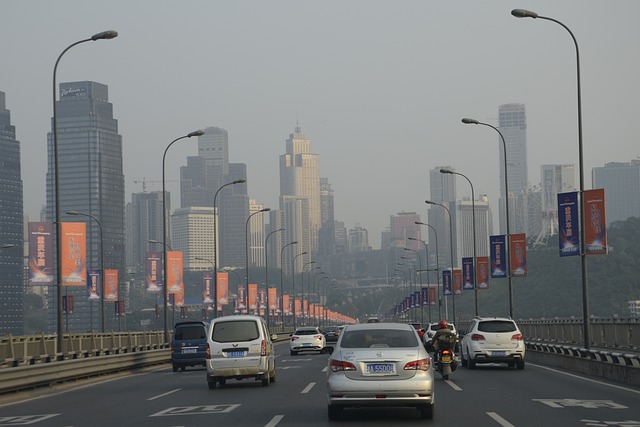
Driving manual or automatic in traffic is a matter of what you want out of your drive and how you manage congested roadways. Manual cars provide greater control and are typically less expensive, but constantly shifting in stop-and-go traffic gets exhausting. Automatic cars drive more smoothly and allow you to maintain concentration on the road because you do not have to manually shift gears. Most city drivers opt for automatics because it is easier, but a few urbanites still enjoy the tactile experience of a manual transmission. To assist you in picking what suits your needs best, it is reasonable to understand what each type provides and what you sacrifice. Next, the meat will analyze the advantages and disadvantages for each in actual traffic.
Key Takeaways
- Manual transmissions offer an engaging, skill-building driving experience and demand a lot of physical effort and focus, particularly in congested urban traffic.
- Automatic cars minimize driver weariness and enhance convenience in stop-and-go traffic, making them ideal for lengthy commutes and novice drivers.
- Manuals may be slightly more efficient in certain scenarios. Automatic and hybrid technology is closing that gap and becoming more efficient for city driving.
- Maintenance costs and long-term upkeep can differ between manual and automatic transmissions. Each has its own reliability factors and impact on resale value.
- It’s all about personal preference, your driving habits, and your comfort level in deciding which transmission is best for your daily commute and experience.
- The increasing prevalence of hybrid and electric vehicles is changing the game. It frequently eliminates conventional transmission considerations and focuses on user-friendliness, efficiency, and innovation for contemporary motorists.
Manual vs Automatic Commuting
Manual vs automatic in traffic, the commute is formed in pragmatic, tangible, and economic terms. Each system has its own advantages, and the smart choice depends on the environment, the requirements of the driver, and the function of the car.
Driver Engagement
Manual transmissions provide drivers with a more hands-on experience, and for many, that makes driving feel more engaged and satisfying. Changing gears manually establishes a direct connection between the driver, the car, and the road. With a stick shift, the driver has to be mindful of engine speed, the road, and timing. This increased involvement can aid new drivers in developing confidence and skill. However, it has a hard learning curve—not in freeway cruising, but in stop-and-go traffic or on inclines. Enthusiasts love this challenge, but for a daily commute, the additional focus needed can feel exhausting. Automatic transmissions let the driver focus more on traffic and his or her environment, which can increase safety for newbies.
Physical Effort
Driving a manual through gridlock is a series of clutching and gear changes. Over the course of a year, this can lead to leg fatigue, particularly in traffic-clogged cities. For timid or new drivers, handling the clutch can be an added strain, especially during hill restarts. Automatics alleviate this pain. Without a clutch pedal, drivers can leave one foot behind and concentrate on steering and braking. Such a configuration is typically more comfortable for longer commutes and less physically demanding. For most people, the ease of automatics leads to less distraction and a smoother ride.
Fuel Economy
Manuals have always been considered more fuel-efficient, particularly in older models. They allowed drivers to control engine speed and shifting, which if properly done, could save fuel. These days, a lot of new automatics use sophisticated systems that match or outperform manuals for fuel consumption, particularly in stop-and-go traffic where all that shifting kills efficiency for both. Driving habits and city congestion come into play. Careful manual drivers can still outpace automatics in savings. For the majority, the gap is now minimal.
Vehicle Control
Manuals provide drivers precise control over gear changes, assisting in the navigation of challenging road situations such as icy or winding roads by allowing the driver to select the optimal gear for traction and power. This can increase confidence and security, especially in regions with hilly roads or variable weather. Automatics allow you to focus on important tasks, automatically handling shifts, which can make lane changes or merges less jarring in heavy traffic. For most, that exchange leads to more comfort and less danger of distraction.
Maintenance Reality
Manuals may be cheaper to fix and maintain since their parts are simpler. Clutch replacements add cost after years of use. Automatics are easier to drive, but they are more complicated and can result in larger repair bills if anything goes wrong. With automatic and electric vehicles becoming more widespread, it’s increasingly difficult to locate manual cars and skilled repair shops. For daily commuting, this can potentially make automatics more practical in the long run.
Your Driving Experience
It’s your own driving experience that tends to determine whether you favor manual or automatic in traffic. For some, early driving lessons on a manual car instill confidence with clutch and gear usage. For others, it’s simply too much to manage. In most areas, learning to drive in an automatic enables novices to concentrate on road etiquette instead of memorizing gear positions. Driving enjoyment, particularly in traffic, is tied to how adept a person is at manipulating their vehicle’s transmission. Confidence builds with every hour behind the wheel, but the emotional component, frustration or fulfillment, can fluctuate depending on how traffic and your car’s controls negotiate each other. How calming or taxing we find driving is, of course, partly a matter of how comfortable we are with the mechanics of the car and our surroundings.
Learning Curve
There’s a pretty steep learning curve with manual transmissions, particularly if you’re a new driver. Unlike automatics, which allow drivers to pay attention to handling and traffic, manuals demand that students monitor gear shifts and clutch timing simultaneously. New drivers typically take more time to become comfortable with the additional process of shifting gears.
- Coordinating clutch and throttle to avoid stalling
- Understanding the right time to shift gears
- Managing starts on inclines without rolling back
- Dealing with jerky movements during slow traffic
- Adapting to different gear patterns across vehicles
Manual driving becomes second nature. With time, experience makes shifting gears second nature. Automatics allow rookies to focus on fundamental skills such as lane changes and parking, which are crucial for passing the Skills Test but do not require gear manipulation.
Driver Fatigue
Manual transmissions can exacerbate fatigue on long or stop-and-go commutes. Stop-and-go traffic requires constant clutch and gear shifting, which exhausts the left leg and can break down concentration. Stress accumulates as drivers time pedals, clutch, and shifting, particularly during commutes.
Automatic cars assist in minimizing this strain. With less shifting to do, drivers can rest easier, which boosts alertness and safety. Less weariness translates to keener reactions and improved concentration, which are key to sidestepping accidents in congested traffic.
Being tired is not safe. Drowsy drivers are more prone to errors, overlook signs, or respond sluggishly, which increases hazards for all.
Personal Preference
Others just choose a transmission by feel and habit. Driving style counts. A gal who likes easy rides may select automatic, while a guy who’s into being hands-on would gravitate toward manual. Car enthusiasts love manuals because they say it makes them feel more connected to the road, particularly when driving spiritedly.
- Enjoyment of direct control over the car
- Comfort with multitasking while driving
- Desire for less stress during daily commutes
- Interest in performance or classic vehicles
- Local traffic patterns and road types
- Past experiences with different cars
- Value placed on ease versus engagement
Your background and driving aspirations weigh heavily and the vehicle you learn in might not matter for a license in many locations.
Analyzing the Costs
For a lot of motorists, the manual versus automatic debate in traffic is really about money. They span everything from the sticker at the dealership to long-term maintenance and resale. Knowing these things can assist buyers in making an intelligent decision that suits their requirements and wallets.
Purchase Price
Manual cars frequently have a cheaper sticker price. While manuals are, on average, approximately $1,000 less than automatics, this margin can fluctuate depending on the region and model. New drivers on a budget will appreciate these savings, in particular when considering entry-level or economy cars. Historically, manual selection almost always equated to a more affordable car, but with some newer models only coming in automatic form, the divide is becoming slimmer.
Financing terms can vary by transmission. Banks and lenders can occasionally have preferential rates for popular models, typically automatics in many markets. For scarce manual models, purchasers may encounter fewer deals or incentives. This can bring automatics into reach for those who need financing to get their first car.
|
Transmission Type |
Average Upfront Cost (USD) |
Typical Financing Options |
|
Manual |
$18,000 |
Fewer incentives |
|
Automatic |
$19,000 |
More incentives |
Long-Term Upkeep
Manually shifted transmissions are typically less expensive to maintain. Routine work such as changing the transmission fluid runs about half as much for manuals compared to automatics. Repairs, including clutch replacements, are rarer and less costly than overhauls for automatic gearboxes. Over ten years, though, it is usually less expensive to keep a manual car going. That is the kind of reasoning that speaks to pragmatic purchasers.
Automatics require servicing more often, particularly in heavy traffic. With more complex internal parts, their repair bills tend to be more expensive when they break. Manuals demand less, typically clutch and fluid changes every few years. If you’re going to have a car for years, these costs add up and can add up a lot.
Fuel efficiency is one more. Typically, manuals achieve 3 to 4 miles per gallon better than automatics. This lead can diminish in stop-and-go traffic, where automatics excel.
Resale Value
A car’s resale value is based on what buyers desire. Automatics tend to be more popular on the used market, particularly in large urban centers and areas with severe traffic, making for higher resale values. Manuals tend to retain value a bit more in markets where there is still demand, but their allure is fading worldwide as fewer and fewer drivers know how to operate one.
Manuals may depreciate quicker in the cities and automatics slower. Others say automatics are easier to sell and don’t sit as long on a car lot. In the sticks, manuals could still command a good price, particularly from gearheads.
|
Transmission Type |
Resale Value (USD, 5 Years) |
Depreciation Rate (%) |
|
Manual |
$10,500 |
42 |
|
Automatic |
$12,000 |
37 |
Safety in Congestion
In congestion, safety is defined by the car’s response and the driver’s ability to maintain attention to the road. Manual versus automatic cars alters how motorists navigate snarled, slowly creeping streets, and both types have their own safety caveats.
Manual cars demand more from the driver’s body and mind. Each stop-and-go movement involves clutching, gear-shifting, and listening intently for engine and traffic rhythm. This can become real tension over extended drives. Quite a few drivers complain that their knees or legs become sore after a particularly long spell of heavy congestion, such as on urban expressways where a 50-kilometer journey can involve two hours of stop and go shifting. Some even reroute or time-shift to avoid this. For the manual accustomed, shifting is instinctual. They may not even see the labor, but for some, it’s simply nerve-wracking and exhausting. There is an actual danger—if a driver misses a gear or stalls, someone behind, speeding and desperate, may not halt. Rear-enders during these times are not uncommon, particularly where folks are rushing.
Automatic cars reduce these dangers. Because the car changes gears automatically, drivers can maintain two hands on the wheel and pay closer attention to their environment. Safety in congestion – in an emergency, like a sudden stop or fast move – automatic cars allow drivers to respond faster because they don’t have to worry about downshifting or clutch work. Modern automatics frequently include safety features such as emergency braking, lane assist, and adaptive cruise control. They assist with maintaining spacing between vehicles, alert drivers to dangers, and even slow the vehicle if traffic abruptly halts. These types of systems are now standard even in mid-level vehicles and definitely contribute to a noticeable impact on crowded-road safety.
Still, no car can make traffic chill. Even with manual and auto cars, drivers need to stay awake. There are no accidents with the car, but because someone stops paying attention, gets tired, or becomes impatient. Concentration and cool nerves count the most, regardless of which auto you’re behind.
The Modern Transmission
Today’s Transmission Technology
It’s funny how today’s transmission technology has transformed what it means to drive in traffic. Modern automatic transmissions, particularly stop-and-go varieties, take the drudgery out of city driving by taking care of clutch work and gear changes for you. This aids motorists in dealing with congestion, where frequent halts and restarts can be tiresome for stick-shift wielders. Automatics these days have as many as ten gears, which means even more flexibility and improved fuel consumption. Manual transmissions can still provide four to six more kilometers per gallon in some models, but this gap is shrinking. Both choices now demand less maintenance than older designs, with manual fluid changes typically cheaper.
Advanced Automatics
Modern automatics have leapfrogged their ancestors by introducing things like adaptive shift logic and manual shift modes. These allow drivers to participate when they desire and still experience the convenience of an automatic when congestion brings speed to a halt. For most, the headline is how such transmissions tackle crawling traffic, softening upshifts without driver intervention. Automatics aid new drivers by eliminating the necessity to juggle clutch and throttle. It can reduce the learning curve, allowing cars to be more available to all. Bonus tech such as hill-start assist, predictive shifting, and integrated navigation data make it easier to use. Fuel efficiency has increased too, as state-of-the-art gearboxes select the optimal gear for speed and load, equaling or even outperforming some manuals.
Hybrid Systems
Hybrid cars combine the greatest of both manual and automatic transmissions. They tend to use electric motors to supplant power chugs, leading to smoother starts in traffic and whisper-quiet operation under about 25 mph. In much urban driving, hybrids excel as their electric drive conserves fuel during stoplight idling. This makes them an all-star choice for city commuters who put in the hours at the wheel. Hybrids return a little more control to the driver with selectable drive modes, minus the manual’s learning curve. More drivers are opting for hybrids for their reduced fuel bills and easy maintenance. With more automakers introducing hybrid choices, this trend is bound to continue.
The Electric Future
EVs nullify the argument by removing the requirement for multi-gear transmissions completely. Their motors deliver instant torque, so there are no gear changes whatsoever. Driving an EV is straightforward – you press the pedal, you go. This makes them ideal for traffic, as there is no gear hunting or clutch action. EVs are quiet and smooth, so the daily commute can be less aggravating. As more people give EVs a shot, tastes could pivot even more against manual transmissions, particularly in congested cities.
Which Should You Choose?
Manual or automatic is a decision that comes down to your driving style, your driving environment, and what you want from your car. Both have obvious advantages, but your schedule, comfort requirements, and long-term goals ought to inform your selection. While comfort and convenience can be key factors in busy locations, dominance and price may make the difference. Here’s how to parse it.
Manual transmissions provide more control, which can come in handy if you prefer to feel every inch of the drive. They typically save more fuel, with a usual benefit of 3 to 4 mpg over automatics. For those craving the lower price tag, manuals are about $1000 less up front. In a lot of places, like Europe, renting a manual car is the norm, so knowing how to drive one can really open up places to go. Learning a manual can cultivate a more robust consciousness of what’s going on around you, enhancing road safety abilities. If you’re in city traffic a lot, switching gears constantly can get old quickly.
Automatics are more convenient to use. For those sitting in endless stop-and-go city traffic, not having to change gears is less stress and less distraction. That’s huge during rush hour or long red lights. That’s why many drivers opt for automatics and why some on-road tests for commercial licenses will confine you to driving only automatics. If you want to leave your options open for the future, this is something to consider.
Checklist for your choice:
- Daily route: Do you face lots of traffic? Automatic might be easier on your nerves. If you drive in the country or love twisty roads, manuals give you more connection and control.
- Comfort level: Are you comfortable managing a clutch and gear stick? Manual requires additional coordination, whereas automatic is straightforward to initiate.
- Budget: Manual cars usually cost less and save on fuel. Consider both up-front and long-term expenses.
- Travel and licensing: Planning to drive or rent abroad, especially in Europe? Knowing a manual is handy. For commercial driving, look up your local rules about license restrictions.
Conclusion
Manual cars demand more effort in stop-and-go traffic. You’ve got to shift, clutch, and think quickly. Some drivers like this sense of control. Some simply want to coast and let the car take care of it. Automatic cars simplify day-to-day driving. They spare your legs, assist in jams, and frequently perform better on congested roads. Upfront cost and care factor in as well, but today’s automatics last forever and run seamlessly. Safety remains close with either, but exhausted feet and anxiety slip away with automatics. Give ’em both a shot if you can, then choose whatever suits your style and needs. Looking for more tips for your next drive? See the full post and join the discussion!
Frequently Asked Questions
Is a manual or automatic car better for driving in heavy traffic?
Automatic cars are easier for busy traffic. They eliminate the need for continual clutching and shifting, rendering stop-and-go movement less exhausting and more comfortable.
Does driving a manual car in traffic cause more fatigue?
Yep, driving a manual in traffic is tiring. Constant clutch pressing and shifting exert additional physical strain, particularly on lengthy commutes or traffic jams.
Which type of transmission is more fuel-efficient in traffic?
Modern automatics can be just as fuel efficient in traffic as manuals. Certain automatic transmissions will actually shift for improved fuel usage in stop and go traffic.
Are automatic cars safer in congested conditions?
Automatics are safer in traffic. They enable drivers to pay more attention to the road and less to switching gears and operating the clutch.
How do maintenance costs compare between manual and automatic cars?
Manual cars typically have less expensive repairs. Automatic transmissions are more complex and can be more costly to fix when things go wrong.
Do modern automatic transmissions offer any advantages over older models?
Indeed, the new automatics are better. They offer smoother shifts, improved fuel efficiency, and adaptive capabilities that can adjust to different driving styles and conditions.
Can learning to drive a manual car provide long-term benefits?
Learning manuals helps you control your vehicle better, and it’s useful to know if you ever find yourself in a location where manuals abound. Automatics are more comfortable in daily traffic.
Boost Your Luxury Car’s Performance with Expert Upgrades at autoTECH Blackhawk.
Give your luxury vehicle the attention it deserves with specialized performance upgrades from autoTECH Blackhawk. Our technicians know how to elevate high-end cars with precision work that enhances power, handling, and overall driving comfort. Whether you want sharper acceleration, smoother control, or a refined suspension setup, we tailor every upgrade to match the unique demands of your luxury model.
At autoTECH Blackhawk, luxury performance means more than speed. It’s about craftsmanship, protection, and long-term reliability. Every upgrade is supported by our 3-year and 36,000-mile warranty on related repairs. We use only top-quality, manufacturer-approved parts to ensure your vehicle performs at its best. From advanced exhaust and intake systems to ECU calibration and suspension refinement, we deliver upgrades that feel seamless and sophisticated on the road.
Ready to raise the bar for your luxury car? Reach out to our team to schedule your performance upgrade consultation and see why drivers trust autoTECH Blackhawk for exceptional quality and elevated driving experiences.