
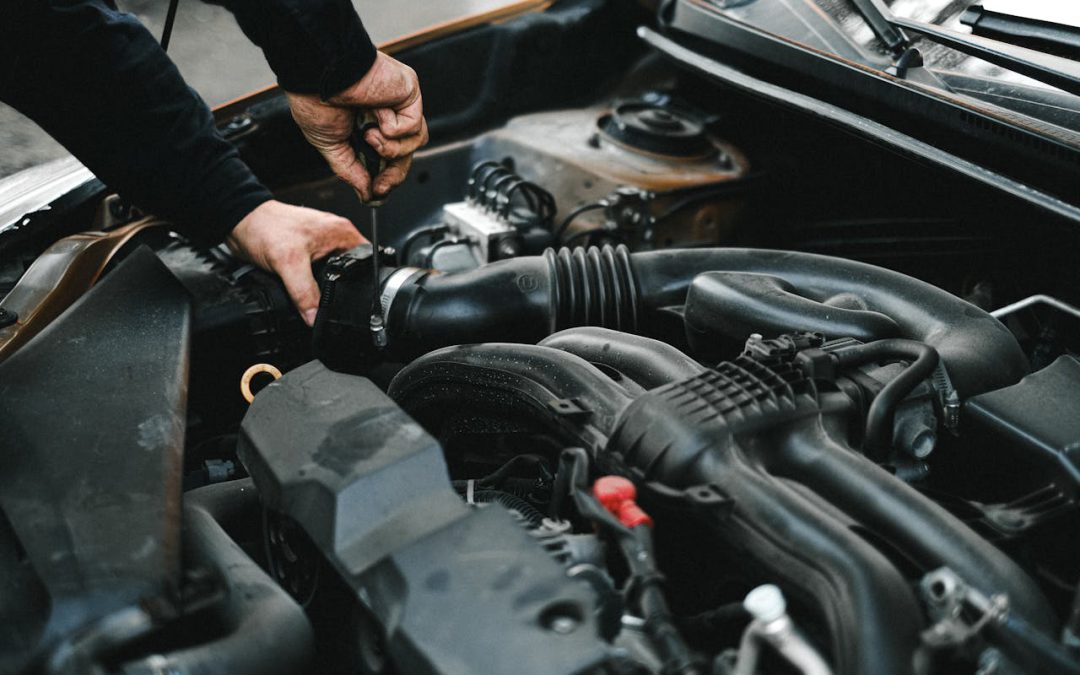
Your vehicle operates in a constantly changing environment. Even if your daily route stays the same, shifts in temperature, moisture, daylight, road conditions, and air quality can affect how reliably and safely your car performs. Summer heat can weaken a battery and raise cooling-system pressure. Winter colds can reduce tire pressure and make engine oil flow more slowly. Rain can expose worn wiper blades and tires, while pollen, dust, and fallen leaves can clog filters and drains.
Seasonal changes do not affect every vehicle in exactly the same way. Your local climate, driving habits, parking situation, vehicle age, mileage, and maintenance history all matter. A car parked outdoors in a coastal area faces different stresses than one kept in a garage in a dry inland climate. A short-trip commuter may experience different battery and moisture problems than a driver who regularly takes long highway trips.
Understanding these patterns helps you prepare before a small issue becomes a breakdown. Seasonal maintenance is not about replacing parts simply because the calendar changed. It is about inspecting systems that are placed under greater stress by the conditions ahead, correcting problems early, and adjusting how you drive when traction, visibility, or temperature changes.
This guide explains which seasonal changes affect vehicles the most, how those changes influence important components, what warning signs to watch for, and how to build a practical year-round maintenance routine.
Key Takeaways
- Extreme heat and cold usually create the greatest seasonal stress on batteries, tires, fluids, belts, hoses, and climate-control systems.
- Temperature changes directly affect tire pressure, battery output, fluid behavior, rubber flexibility, and engine operating conditions.
- Rain, snow, ice, fog, dust, pollen, and fallen leaves can reduce visibility, lower traction, restrict airflow, and promote corrosion.
- Spring and fall are valuable transition periods for inspections because they reveal damage from the previous season and allow preparation for the next one.
- Seasonal maintenance should be based on your vehicle manufacturer’s recommendations, local climate, mileage, and actual component condition.
- Tires, brakes, lights, wipers, the battery, and the cooling system deserve year-round attention because they have a direct effect on reliability and safety.
- A pre-season inspection can be especially useful before a long trip or when a vehicle is older, driven infrequently, or already showing warning signs.
Why Seasonal Changes Have Such a Strong Effect on Vehicles
A modern vehicle is designed to operate across a broad range of conditions, but that does not make it immune to the environment. It contains metals, rubber compounds, plastics, electronics, lubricants, coolants, seals, and pressurized systems. Each material responds differently to temperature and moisture.
Metal components expand when heated and contract when cooled. Rubber can soften in extreme heat and become less flexible in cold weather. Fluids may thin at high temperatures or thicken when temperatures fall. Batteries depend on chemical reactions that change with temperature. Electrical connections can be affected by moisture and corrosion. Tire pressure changes as the air inside the tire heats and cools.
Seasonal conditions also change the demands placed on the vehicle. Air conditioning may operate for hours during summer. The heater, defroster, lights, and wipers may run together during winter storms. Stop-and-go traffic in hot weather can place more demand on the cooling system. Wet or icy roads require the tires and brakes to deliver controlled performance when available traction is limited.
The biggest problems often develop when several stresses overlap. An aging battery that still starts the car in mild weather may fail during the first cold morning. A cooling system with a small leak may appear normal in spring but overheat during a summer traffic jam. Tires with marginal tread may feel acceptable on dry pavement yet lose grip in heavy rain.
For that reason, seasonal preparation should focus on the relationship between weather and component conditions rather than on weather alone.
How Summer Heat Affects Your Vehicle
High temperatures can be surprisingly hard on a car. Heat accelerates chemical reactions, increases pressure within cooling and air-conditioning systems, and can shorten the life of rubber and plastic parts. Pavement temperature may also be much higher than the surrounding air, adding stress to tires.
Battery Aging and Electrical Strain
Cold weather often receives the blame when a car will not start, but summer heat may have caused much of the underlying battery damage. High temperatures can accelerate internal corrosion and fluid loss in conventional lead-acid batteries. The battery may continue working through summer, only to reveal its reduced capacity when cold weather increases starting demand.
Air conditioning, cooling fans, infotainment systems, phone chargers, and other accessories also add electrical load. A weak battery, failing alternator, loose terminal, or corroded connection may become more noticeable when several systems operate at once.
Watch for slow cranking, dim or flickering lights, repeated need for jump-starts, electrical warning lights, or visible corrosion around battery terminals. A professional battery and charging-system test can measure performance more accurately than appearance alone. Never open or handle a battery without following appropriate safety procedures, and remember that some vehicles require specific steps to preserve electronic settings when a battery is replaced.
Cooling-System Pressure
The cooling system controls engine temperature using coolant, the radiator, hoses, a water pump, a thermostat, fans, and related components. Hot weather, steep roads, towing, heavy loads, and slow traffic can all increase cooling demand.
Low coolant, deteriorated coolant, a weak radiator cap, a damaged hose, a failing fan, or a small leak may lead to overheating. Warning signs include a rising temperature gauge, a coolant warning message, a sweet odor, steam, visible leakage, or reduced engine performance.
Coolant should only be checked or added according to the vehicle manufacturer’s instructions. Never remove a pressurized cooling-system cap from a hot engine; escaping coolant can cause severe burns. If the engine overheats, safely pull over when possible and arrange assistance rather than continuing to drive and risking major engine damage.
Tire Pressure and Heat Buildup
Tire pressure rises as tires warm during driving, and hot pavement increases heat exposure. Underinflated tires flex more than intended, which generates additional heat and may contribute to internal damage. Overloading the vehicle adds further strain.
Check tire pressure when the tires are cold and use the pressure listed on the vehicle’s tire-information placard, usually located in the driver’s door area. Do not use the maximum pressure molded into the tire sidewall as the routine target unless the vehicle manufacturer specifically directs it.
Inspect tires for cracking, bulges, punctures, uneven wear, exposed cords, and adequate tread. Remember to inspect the spare tire if your vehicle carries one. Long highway trips, heavy cargo, and towing make this inspection especially important.
Air-Conditioning Performance
Air conditioning contributes to comfort, but it can also help the driver remain alert and can assist with window defogging in humid conditions. Weak airflow may result from a clogged cabin air filter, blower problem, or restricted vent. Air that is not cold enough may point to a refrigerant leak or another system fault.
Do-it-yourself refrigerant charging is not always appropriate. Overcharging, using the wrong product, or adding refrigerant without repairing a leak can create further problems. A qualified technician can measure pressures, check vent temperature, inspect for leaks, and identify electrical or mechanical faults.
Interior, Paint, and Rubber Damage
Sunlight and heat can fade paint, dry weatherstripping, age wiper blades, and damage interior surfaces. A windshield sunshade, covered parking, regular exterior cleaning, suitable paint protection, and treatment of weather seals may reduce exposure. Never leave children, pets, medications, pressurized containers, or heat-sensitive items in a parked vehicle.

How Winter Cold Affects Your Vehicle
Cold weather changes the way batteries, fluids, tires, and rubber parts perform. Even in areas without heavy snow, cool mornings, rain, condensation, and shorter daylight hours can reveal weaknesses that remain hidden in warmer conditions.
Reduced Battery Output
Low temperatures slow the chemical reactions inside a battery, reducing the power available for starting. At the same time, a cold engine may require more effort to crank. This combination is why a marginal battery can fail suddenly during a cold spell.
Battery condition, age, terminal cleanliness, alternator output, and parasitic electrical drain all affect cold-weather reliability. Drivers who make frequent short trips may be more vulnerable because the alternator may not have enough time to restore the energy used during starting.
If the engine cranks slowly or electronics behave unusually, have the battery and charging system tested before conditions become more demanding. Electric and hybrid vehicles also contain a low-voltage battery that can cause starting or system-activation problems, even though the vehicle uses a larger traction battery for propulsion.
Lower Tire Pressure
Air pressure in tires generally decreases as outside temperature falls. A tire that was correctly inflated during warm weather may become underinflated after a significant temperature drop. The tire-pressure warning light may illuminate even when there is no puncture.
Recheck pressure when the tires are cold and adjust it to the vehicle specification. Do not ignore a warning light or assume temperature is the only cause; a nail, valve leak, or wheel problem may also be responsible. Tires naturally lose some air over time, so repeated large pressure loss requires inspection.
Thicker Fluids and Harder Starts
Engine oil becomes more resistant to flow in cold conditions, although modern multigrade oils are formulated to work across a specified temperature range. Using the manufacturer-approved oil grade is important. An oil that is too thick for the conditions can delay lubrication during startup, while an incorrect oil may interfere with variable valve timing, emissions equipment, or fuel economy.
Transmission fluid, power-steering fluid in vehicles that use hydraulic systems, and other lubricants are also affected by temperature. Avoid aggressive acceleration immediately after a cold start. Gentle driving allows fluids and components to reach operating temperature gradually. Extended idling is usually unnecessary unless the manufacturer recommends it or conditions require extra time for visibility.
Brittle Rubber and Plastic Components
Wiper blades, belts, hoses, seals, and plastic clips may become less flexible in cold weather. A wiper blade frozen to the windshield can tear if activated. Door seals may stick, and old belts may squeal or crack.
Clear ice and snow before operating the wipers. Use a proper ice scraper and a washer fluid formulated for expected temperatures where freezing conditions occur. Hot water should not be poured onto a frozen windshield because rapid temperature change may damage the glass.
Heater and Defroster Demand
The heater and defroster are safety systems as well as comfort features. A weak heater can result from low coolant, a thermostat issue, restricted coolant flow, or a climate-control fault. Poor defrosting may also involve the air-conditioning system because many vehicles use it to remove moisture from cabin air.
Check operation before the cold or rainy season. If windows continue to fog, look for excess interior moisture, wet carpet, a clogged cabin filter, or a possible leak. Maintain clear glass inside and out because residue makes glare and fogging worse.
How Rain and Wet Seasons Affect Your Vehicle
Rain changes traction, visibility, braking distance, and corrosion exposure. The first rain after a long dry period can be especially slippery because water mixes with accumulated oil, dust, and debris on the pavement.
Reduced Tire Grip and Hydroplaning Risk
Tire tread channels water away from the contact patch. As tread becomes shallow, the tire may be less capable of maintaining contact with wet pavement. Excessive speed, standing water, improper pressure, and worn suspension components can increase hydroplaning risk.
Inspect tread across the full width of each tire. Uneven wear may indicate an alignment, suspension, inflation, or rotation issue. If the vehicle pulls, vibrates, or feels unstable, arrange an inspection instead of assuming rain alone is responsible.
When driving in heavy rain, reduce speed smoothly, increase following distance, and avoid sudden steering or braking. If the vehicle begins to hydroplane, ease off the accelerator and keep steering inputs controlled. Avoid abrupt braking unless the situation requires it.
Wiper and Washer-System Performance
Wiper blades gradually harden, crack, split, or lose their edge. Streaking, skipping, chattering, missed areas, or squeaking can indicate that the blades or windshield need attention. Replace damaged blades and clean the windshield with an automotive-safe product.
Keep the washer reservoir filled with the correct fluid. Plain water may freeze, encourage biological growth, or fail to clean effectively depending on the climate and system. Inspect washer nozzles for proper spray direction and make sure the rear wiper and washer work if equipped.
Brake Exposure to Water
Brakes are designed to operate in wet conditions, but deep water can temporarily reduce braking response. After passing through unavoidable shallow water, light brake application at a safe speed may help confirm normal operation. Never drive into water of unknown depth. Floodwater can hide road damage, move a vehicle, enter the engine, damage electronics, contaminate fluids, and compromise braking components.
Persistent grinding, pulling, vibration, a soft pedal, warning lights, or reduced braking performance requires prompt professional attention. Seasonal inspections should include brake pad thickness, rotors or drums, hoses, fluid condition, and evidence of leaks or corrosion.
Moisture, Corrosion, and Electrical Problems
Rain, road salt, coastal air, and trapped debris can promote corrosion. Water may collect around damaged seals, clogged sunroof drains, door drains, cowl areas, or trunk openings. Moisture inside the cabin can damage electronics, create odors, and encourage mold.
Check for damp carpeting, musty smells, water marks, condensation that returns quickly, and blocked drain openings. Clean mud and salt from the underbody when appropriate, particularly after winter travel. Repair paint chips before corrosion spreads, and have severe underbody rust evaluated by a qualified professional.
How Snow, Ice, and Road Salt Affect Your Vehicle
Snow and ice add traction challenges, while salt and deicing chemicals accelerate corrosion. Even drivers who live in mild climates may encounter these conditions during mountain travel.
Traction and Tire Choice
All-season, all-weather, and winter tires are not identical. Winter tires use compounds and tread designs intended to remain effective in cold conditions and provide better grip in snow and ice. Whether you need them depends on the climate, route, vehicle, and applicable local requirements.
Four-wheel drive and all-wheel drive may improve acceleration, but they do not eliminate braking distance or create unlimited cornering grip. Every vehicle relies on its tires to connect with the road. Proper tread, correct pressure, controlled speed, and adequate following distance remain essential.
If tire chains or cables may be required, confirm which type and size are approved for the vehicle. Practice installation before a trip, follow placement and speed instructions, and ensure there is sufficient clearance around brakes, suspension parts, and bodywork.
Salt-Related Corrosion
Road salt can collect on brake lines, suspension components, fasteners, exhaust parts, body seams, and the undercarriage. Regular washing, including appropriate underbody cleaning, can help remove residue. Do not direct high-pressure water at sensitive electrical connections or components contrary to the manufacturer’s guidance.
Corrosion may be cosmetic, but it can also weaken structural or safety-related parts. Flaking metal, perforation, heavily corroded brake lines, or weakened mounting points should be evaluated promptly.
Frozen Locks, Doors, and Wipers
Moisture can freeze around door seals, locks, washer nozzles, and wiper blades. Pulling forcefully on a frozen handle or operating stuck wipers may cause damage. Use products intended for automotive use, keep seals clean, and remove snow and ice carefully.
Clear the roof, windows, mirrors, lights, camera areas, and sensors before driving. Snow left on the roof can slide onto the windshield or blow onto other vehicles. Driver-assistance systems may be limited when their cameras, radar units, or ultrasonic sensors are covered.
How Spring Conditions Affect Your Vehicle
Spring may feel less demanding than winter, but it introduces rapid temperature swings, heavy rain, pollen, potholes, and lingering road damage. It is also the ideal time to assess what winter left behind.
Pollen and Airflow Restrictions
Pollen, seeds, dust, and plant debris can collect in the cabin air filter, engine air filter, radiator area, and cowl. A clogged cabin filter can reduce airflow and increase blower noise. A restricted engine air filter may affect performance or efficiency, depending on severity and vehicle design.
Replace filters according to condition and the maintenance schedule. Drivers in dusty or high-pollen environments may need more frequent inspections. Avoid installing a filter that does not meet the vehicle’s airflow and filtration requirements.
Pothole and Alignment Damage
Freeze-thaw cycles and winter storms can leave damaged pavement. A hard pothole impact may bend a wheel, damage a tire internally, disturb alignment, or harm steering and suspension components.
After a significant impact, watch for vibration, pulling, steering-wheel misalignment, clunks, pressure loss, or a visible sidewall bulge. A tire can sustain internal damage even when the exterior appears mostly normal. Have concerning symptoms inspected promptly.
Rain Leaks and Drain Blockages
Spring rain often exposes deteriorated weather seals and clogged drains. Remove leaves and debris from accessible cowl areas without pushing material deeper into drains. If water enters the cabin, locate and repair the source rather than relying only on drying or odor treatments.
Post-Winter Cleaning and Inspection
A thorough spring cleaning can remove salt, mud, and grime. Inspect the body, windshield, lights, wipers, undercarriage, tires, and brakes. Spring is also a useful time to rotate tires if required, reinstall seasonal tires correctly, and check alignment after rough winter roads.
How Fall Conditions Affect Your Vehicle
Fall is a transition season. Shorter days, cooler mornings, rain, leaves, and large temperature swings create a useful reminder to prepare for winter.
Falling Tire Pressure
Daily temperature drops can lower tire pressure. Check all tires regularly, including the spare. Resetting a tire-pressure monitoring system does not repair a leak or inflate a tire; pressure must first be measured and corrected.
Reduced Daylight and Lighting Demand
Drivers use headlights more often as daylight hours shorten. Inspect low beams, high beams, brake lights, turn signals, hazard lights, reverse lights, marker lights, and license-plate illumination. Clean cloudy or dirty lenses, and have severely hazed headlamp assemblies restored or replaced when light output is affected.
Headlight aim matters as well. Lamps aimed too low can restrict visibility, while lamps aimed too high can glare into other drivers’ eyes. Use approved bulbs with the correct specification and avoid modifications that create an improper beam pattern.
Leaves and Organic Debris
Wet leaves can be nearly as slippery as ice. They may also hide potholes, lane markings, curbs, and standing water. Leaves that collect around the windshield base can block drainage and retain moisture.
Keep exterior air inlets and accessible drains clear. Avoid parking over deep piles of dry leaves because hot exhaust components may present a fire risk. Remove debris from the engine compartment only when the vehicle is off and cool, following safe procedures.
Preparing Before the First Cold Spell
Fall is an excellent time to test the battery, inspect wipers, confirm washer-fluid freeze protection, check coolant condition, examine tires, and verify heater and defroster operation. Addressing weaknesses early can prevent the rush that follows the first major storm or temperature drop.
Seasonal Effects on Electric and Hybrid Vehicles
Electric and hybrid vehicles face many of the same seasonal concerns as conventional vehicles, including tire-pressure changes, wiper wear, brake corrosion, low-voltage battery problems, and reduced visibility. They also have considerations related to traction-battery temperature and cabin conditioning.
Cold weather can reduce driving range because battery chemistry is less efficient and energy is used to heat the battery and cabin. Hot weather may increase energy used for cooling. Speed, elevation, wind, rain, cargo, and driving style also influence range, so a seasonal change should not automatically be treated as a battery fault.
Preconditioning the cabin while the vehicle is connected to external power may help preserve available range if the manufacturer supports it. Keep the charge-port area clean and follow instructions for snow, ice, or water exposure. Never work on orange high-voltage cables or traction-battery components without proper qualifications and equipment.
Regenerative braking behavior may change when the traction battery is cold, very full, or otherwise limited. Drivers should be prepared to use conventional brakes normally. Because friction brakes may be used less often in some electrified vehicles, corrosion and sticking components still require inspection.
How Seasonal Changes Affect Driving Safety
Maintenance is only part of seasonal preparation. Drivers must also adapt to current conditions.
Visibility
Low sun, glare, fog, rain, darkness, snow, and spray can make hazards difficult to see. Clean the windshield inside and outside, wear appropriate eyewear, use lights correctly, and reduce speed when visibility is limited. Do not rely solely on automatic headlights; some systems may not activate the rear lights in daytime rain or fog.
Traction
Available grip changes with water, ice, snow, wet leaves, gravel, mud, and hot or damaged pavement. Smooth steering, braking, and acceleration help the tires remain within their traction limits. Increase following distance and plan lane changes early.
Driver Fatigue and Comfort
Excessive cabin heat can contribute to fatigue, while cold can reduce comfort and concentration. Climate control, hydration, rest breaks, and appropriate clothing matter on long trips. Do not wear footwear or heavy clothing that interferes with pedal control, seat-belt fit, or steering movement.
Wildlife and Seasonal Traffic Patterns
Some seasons bring increased wildlife activity, holiday traffic, school traffic, construction, tourism, or agricultural vehicles. Reduced daylight can make animals and pedestrians harder to see. Scan beyond the vehicle immediately ahead and remain prepared for changing traffic patterns.
A Practical Year-Round Seasonal Maintenance Schedule
The owner’s manual and manufacturer schedule should remain your primary references, but a simple seasonal routine can supplement them.
Before Summer
- Test air-conditioning performance.
- Inspect coolant level and visible cooling-system components when the engine is cool.
- Check battery condition and charging performance.
- Measure cold tire pressure and inspect tread and sidewalls.
- Check engine oil and other scheduled fluids.
- Inspect belts, hoses, and wiper blades.
- Confirm the spare tire or tire-repair equipment is usable.
- Prepare for long trips with an emergency kit and roadside-assistance information.
Before Winter or the Rainy Season
- Test the battery and charging system.
- Inspect tires and consider the appropriate seasonal tire type.
- Check cold tire pressure after major temperature changes.
- Verify coolant freeze protection where relevant.
- Replace weak wiper blades and fill the washer reservoir with suitable fluid.
- Test the heater, defroster, lights, and rear-window defogger.
- Inspect brakes and address warning signs.
- Carry season-appropriate emergency supplies.
During Spring
- Wash away winter salt and grime.
- Inspect for corrosion, paint damage, and water leaks.
- Check alignment and suspension after pothole impacts.
- Inspect engine and cabin air filters.
- Clean accessible drains and cowl areas.
- Evaluate tires after seasonal removal or installation.
During Fall
- Recheck tire pressure as temperatures fall.
- Inspect all exterior lights.
- Remove leaves and debris from exterior air inlets and accessible drainage areas.
- Check the battery before the first cold period.
- Confirm wipers, washer fluid, heater, and defroster operation.
- Review emergency-kit contents and replace expired or damaged items.
Warning Signs That Should Not Wait for the Next Season
A maintenance calendar is useful, but symptoms take priority. Arrange an inspection promptly if you notice:
- An overheating warning, rising temperature gauge, steam, or coolant leak
- A brake warning light, soft pedal, grinding, pulling, or increased stopping distance
- A flashing check-engine light or severe loss of power
- Slow cranking, repeated jump-starts, or charging-system warnings
- Rapid tire-pressure loss, a bulge, exposed cords, or severe vibration
- Steering looseness, persistent pulling, or clunking after a pothole impact
- Fuel, oil, coolant, or brake-fluid leakage
- Burning smells, smoke, or unusual electrical odors
- Wipers, lights, or defrosters that cannot maintain safe visibility
- Water entering the cabin or collecting near electrical components
If a warning suggests an immediate safety risk, stop driving in a safe location and seek professional assistance. Continuing to drive can turn a manageable repair into extensive damage or place vehicle occupants and other road users at risk.
How to Build a Seasonal Emergency Kit
An emergency kit should match the climate, route, trip length, and needs of the occupants. Useful basics may include:
- A charged phone and vehicle-compatible charging cable
- Flashlight with spare batteries
- Reflective warning devices
- First-aid supplies
- Drinking water and nonperishable snacks
- Basic warm clothing or blankets
- Work gloves and rain protection
- Tire-pressure gauge
- Manufacturer-approved tire-repair or spare-tire equipment
- Jumper cables or a properly maintained portable jump pack
- Ice scraper and snow brush where needed
- A small shovel, traction aid, and approved chains for winter travel where appropriate
- Roadside-assistance and insurance information
Secure loose items so they do not become projectiles during a sudden stop. Check the kit periodically because batteries discharge, food and medicine expire, and seasonal needs change. A kit supports preparation, but it does not replace vehicle maintenance or safe decisions about severe weather.
Conclusion
The seasonal changes that affect your vehicle most are extreme heat, extreme cold, moisture, and rapidly changing road conditions. Heat accelerates battery aging, stresses the cooling system, and increases tire temperatures. Cold reduces battery output, lowers tire pressure, thickens fluids, and stiffens rubber. Rain and snow reduce traction and visibility, while salt, pollen, dust, leaves, and debris can promote corrosion or restrict airflow and drainage.
No single checklist applies perfectly to every driver. The most effective approach combines the vehicle manufacturer’s maintenance schedule with regular condition checks and preparation for the local climate. Pay particular attention to tires, the battery, cooling system, brakes, fluids, wipers, lights, filters, and climate controls. These systems are repeatedly challenged as weather changes and have a major influence on safety and reliability.
Seasonal maintenance does not need to be complicated. A focused inspection before periods of extreme heat, cold, rain, or long-distance travel can identify worn parts, low fluids, weak batteries, damaged tires, and visibility problems before they interrupt a trip. When symptoms appear, respond to them promptly instead of waiting for the next scheduled service. That practical habit can help your vehicle remain dependable throughout the year.
Frequently Asked Questions
What season is hardest on a car?
There is no universal answer because climate and vehicle conditions differ. Summer heat is particularly damaging to batteries, cooling systems, tires, rubber, and interiors. Winter cold reduces battery output, lowers tire pressure, thickens fluids, and may introduce snow, ice, and road salt. A vehicle with a weak cooling system may struggle most in summer, while one with an aging battery may fail during winter.
Why does my tire-pressure light come on when the weather gets cold?
Air pressure falls as temperature decreases. A tire that was correctly inflated in warm weather may drop below the monitoring threshold after a cold night. Measure pressure when the tires are cold and adjust it to the vehicle placard. If pressure continues to fall or one tire is much lower than the others, have it checked for a leak or damage.
Does hot weather damage car batteries?
Yes. High temperatures can accelerate internal corrosion and fluid loss in conventional batteries, shortening service life. The weakened battery may not fail until colder weather increases starting demand. Battery testing before seasons of extreme temperatures can reveal declining performance.
How often should I check my vehicle during seasonal changes?
A brief monthly check of tires, lights, visible fluid levels, wipers, and warning indicators is a useful general habit. Perform a more complete inspection before extreme summer or winter conditions, long trips, or severe-weather travel. Always follow the manufacturer’s maintenance schedule and respond immediately to warning signs.
Should I change engine oil for a different season?
Most modern vehicles specify a multigrade oil intended for a broad temperature range, so seasonal oil changes solely to switch viscosity are often unnecessary. Use the exact viscosity and specification recommended by the manufacturer for your climate and operating conditions. Do not change viscosity based only on general advice.
Do I need winter tires if my vehicle has all-wheel drive?
All-wheel drive may improve acceleration, but it does not eliminate the need for tire grip during braking and cornering. In consistently cold, snowy, or icy conditions, approved winter tires may provide a meaningful advantage. Consider local weather, road rules, travel routes, and manufacturer guidance.
Can heavy rain damage a vehicle?
Normal rain should not damage a properly maintained vehicle, but blocked drains, failed seals, deep water, flooding, or existing electrical and body damage can allow water intrusion. Never drive through water of unknown depth. After suspected water exposure, arrange an inspection because damage may not be immediately visible.
Why does my vehicle’s fuel economy change with the seasons?
Cold starts, winter fuel blends in some regions, tire-pressure changes, cabin heating, battery conditioning, dense air, road conditions, and longer idling can reduce winter efficiency. Summer air-conditioning, extreme heat, heavy traffic, and vacation cargo can also increase energy use. Electric vehicles may show larger range changes because cabin and battery temperature control draw energy from the traction battery.
What should I inspect after hitting a pothole?
Check the affected tire and wheel for pressure loss, cuts, bulges, cracks, or bending. Pay attention to vibration, pulling, noise, or a steering wheel that no longer sits straight. Because internal tire or suspension damage may be hidden, have the vehicle inspected after a hard impact or whenever symptoms appear.
Is spring or fall the best time for a vehicle inspection?
Both are useful. Spring helps identify corrosion, pothole damage, clogged filters, and wear left by winter. Fall provides time to prepare the battery, tires, wipers, lights, coolant, heater, and defroster for colder or wetter conditions. The best timing depends on the local climate and upcoming travel.
How can I protect my car if it is parked outdoors year-round?
Keep the vehicle clean, protect exterior finishes with suitable products, use a windshield shade in strong sun, maintain weather seals, clear leaves and debris, and check for water intrusion. Measure tire pressure regularly and inspect wipers, glass, paint chips, drains, and the battery more often because outdoor exposure can accelerate wear.
When should seasonal maintenance be handled by a professional?
Professional service is appropriate when testing requires specialized equipment, a safety-critical system is involved, the vehicle has warning lights or leaks, or you are not comfortable performing the work. Battery and charging tests, brake inspections, cooling-system pressure tests, air-conditioning diagnosis, alignment checks, and high-voltage hybrid or electric-vehicle work commonly require trained technicians.
Is Your Car Ready for the Changing Season?
Seasonal changes can take a toll on your vehicle, from colder mornings and wet roads to summer heat and longer drives. Staying ahead of seasonal maintenance can help prevent unexpected problems and keep your car running safely and reliably throughout the year.
At autoTECH Blackhawk, our team can help make sure your vehicle is prepared for whatever the season brings. We’ll inspect key areas such as your tires, brakes, battery, fluids, cooling system, wipers, and other important components that can be affected by changing temperatures and driving conditions.
Seasonal car care isn’t about replacing parts you don’t need. It’s about catching small concerns early, keeping up with recommended maintenance, and making sure your vehicle is ready for the road ahead. Our team will clearly explain what we find and provide honest recommendations based on your vehicle’s actual condition.
autoTECH Blackhawk uses high-quality, manufacturer-recommended parts and backs qualifying repairs with an industry-leading 3-year/36,000-mile warranty, giving you added confidence after your visit.
Don’t wait for a seasonal change to turn into an unexpected repair. Contact the friendly team at autoTECH Blackhawk today to schedule your seasonal car care appointment and keep your vehicle ready for the months ahead.