
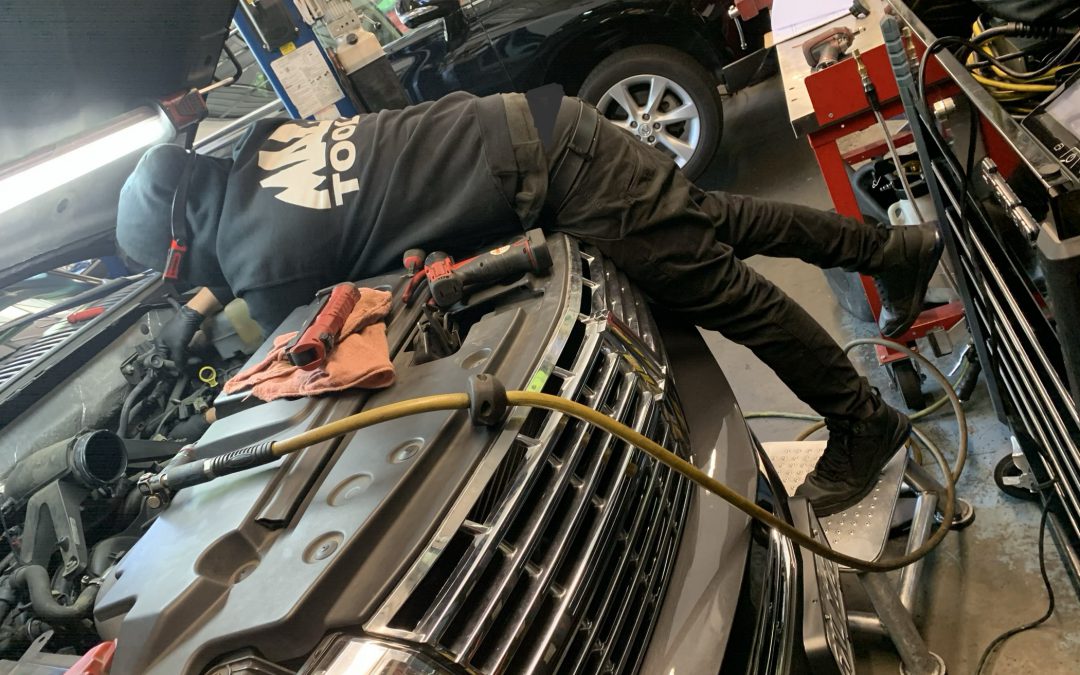
DIY vs professional car repair answers whether a vehicle task is safe and cost-effective when performed at home or by a trained mechanic. DIY repair is best for high-frequency, low-pain jobs such as oil changes, brake pad swaps, and battery replacement where tools are accessible and instructions are straightforward. Professional repair suits complicated diagnostics, body work, and systems requiring calibrated equipment, warranties, or legal documentation. Things that count are cost, time, skill, access to tools, and safety, like improper torque or fluid contamination. Insurance regulations, the car’s age, and its resale value impact the decision. The main body contrasts average jobs, estimates actual costs and time, inventories needed tools, and provides decision rules to choose the proper path for each repair.
Key Takeaways
- Know your strengths and weaknesses before starting a repair and pair jobs to your expertise to minimize hazards and expensive errors.
- Inventory your tools, workspace, and time. Compare the total cost and effort of DIY against professional service to make a data-driven decision.
- Save the DIY for tune-ups and straightforward replacements such as oil changes, filters, bulbs, and wiper swaps while leaving safety systems and major components to the professionals.
- Don’t forget to consider hidden costs like tool investment, fixing your own mistakes, warranty ramifications, and your time when deciding to DIY.
- Try a hybrid approach where you have the pros do diagnostics or inspections, and you do easy repairs yourself to save money and learn safely.
- Make repair decisions founded on transparent priorities of safety, warranty, and long-term value, and evolve your strategy as your ability and resources expand.
Assess Your DIY Repair Skills
Evaluating your DIY auto repair skills begins by taking a clear inventory of your accomplishments and what you can realistically undertake. List past repair jobs and routine maintenance tasks you completed, such as oil changes, air filter swaps, and tire rotations. By keeping track of your successes and when you needed to call in professionals, you can better understand the importance of knowing when to seek expert maintenance for more complex repairs. This list reveals when you’re safe and when you should give way to a professional.
1. Basic Tools
Check whether you own the necessary tools for professional auto repair: metric and imperial wrenches, socket sets, quality jack and jack stands, torque wrench, multimeter, and a code reader or OBD-II scanner. While a simple toolkit is adequate for basic maintenance tasks like oil and air filter swaps, you might want a torque wrench and an engine hoist for more complex repairs. Test each piece, as cheap jacks can be dangerous. Identify what tools you’re lacking and determine if it’s cheaper to buy or borrow them. Some auto parts stores will lend specialty tools, which can be a smart choice for DIY auto repair enthusiasts.
2. Your Time
Add hours for repair and learning, whether through a manual or a tutorial video. For a car owner with the right skill level, an oil change and air filter swap usually take less than an hour. Brake work can take hours and may involve complex repairs, such as bleeding procedures that complicate the task. Weigh this against scheduling a visit to a reputable auto repair shop, where professionals can complete the job quicker and often with a warranty, ensuring optimal vehicle performance.
3. Your Knowledge
Of course, you should check repair manuals, service bulletins, and manufacturer instructions specific to your model. For professional auto repair, plot out the steps before you start and write them down. Recognize limits: transmission work, timing belt replacement, and intricate electrical faults require greater skill and tools. Diagnosing the check engine light, on the other hand, frequently requires accurate fault code and live data interpretation, as misdiagnosis can lead to costly repairs and void warranties.
4. Your Workspace
To ensure optimal vehicle performance, secure a safe, level work spot with good light and ventilation. Make sure you have space to walk around the car and place the parts you take off in labeled boxes. Check for outlets, compressed air, gloves, and eye protection. Grab cleaning supplies and a car maintenance checklist, and lay out your tools before you begin.
5. Your Risk Tolerance
Decide how much risk you accept: bodily injury, further vehicle damage, or voided warranties. Brake and engine repairs are high-stakes, and without the proper training, errors can lead to costly repairs. Weigh the pride of nailing a DIY auto repair against the comfort of professional help and guaranteed work from a reputable auto repair shop.
What Car Repairs Can I Do Myself?
Basic maintenance and minor repairs provide the optimal blend of value and risk for at-home tuners. The list below divides jobs by skill and tool requirements, remarks on typical traps, and identifies when complex repairs or special tools indicate that professional auto repair is preferable. Follow the owner’s manual, safety practices, and DIY step-by-step guides for any vehicle maintenance task.
Basic Maintenance
Perform routine checks often: fluid levels (engine oil, coolant, brake fluid), tire pressure with a gauge, and battery health using a multimeter. Replace engine and cabin air filters with screwdrivers or pliers. Such fuel use and cabin air quality slashes are low risk. Change oil and oil filters according to the owner’s manual, use the correct grade of oil, torque the drain plug, and recycle oil at a certified recycler. Rotate tires and visually check brake pads and rotors. Measuring pad thickness with a ruler can help you determine when it’s time to visit the mechanic for brake service. Strut replacement is achievable for proficient DIYers and can save about 300, though it requires spring compressors and top-notch craftsmanship to prevent injury.
Common beginner tasks:
- Oil and oil filter change
- Engine and cabin air filter replacement
- Windshield wiper swaps
- Tire pressure checks and tire rotation
- Battery inspection and replacement
- Simple light bulb changes
Work from specific instructions and be sure to wear eye and hand protection. If you’re working under a car, use jack stands.
Simple Replacements
Replacing dead batteries, worn wipers, and burnt bulbs can be part of your routine maintenance tasks and can be accomplished using a few tools. You can also take care of car maintenance by putting in new air filters, topping off washer fluid, and replacing simple hoses with step-by-step guides and the proper hose clamps. While spark plug swaps and fuse swaps are simple, you still need the right part codes and torque specs to ensure optimal vehicle performance. A car repair manual or OEM parts catalog guarantees the right fit and routing. For more complex repairs like replacing a serpentine belt, having a breaker bar and belt diagram makes it almost always a quick job.
Cosmetic Fixes
To achieve optimal vehicle performance, clean and detail the interior and exterior using targeted cleaners and microfiber cloths for good results. Buff out minor scratches or touch up using painting kits available from parts stores, and remember, several thin coats always beat one thick coat. For minor upholstery rips and leather cracks, use repair kits and adhere strictly to cure times and heat techniques. Restore headlights and trim with increasingly finer sandpaper grits and polishing compounds to ensure clarity and UV protection.
When To Choose Professional Car Repair
Choosing professional auto repair is the wise option when the work ascends beyond simple upkeep and invades systems affecting safety, drivability, or long-term worth. Evaluate the task against three criteria: system complexity, risk to occupants or other road users, and whether the work affects warranty or insurance coverage. If braking, steering, or persistent diagnostic lights involve several systems, opt for a reputable auto repair shop instead of attempting a DIY auto repair.
Safety Systems
Either way, remember to leave airbag, ABS, or brake repairs to the professional auto repair pros. These systems encompass pyrotechnic devices, high-voltage sensors, and tightly controlled hydraulic circuits. Mishandling can disable a safety feature or cause an unintended deployment. Leave any wiring or control modules associated with occupant protection and steering geometry alone. A misplaced connector, incorrect torque on a caliper mounting bolt, or contaminated brake fluid could lead to failure under load and an increased crash risk. Respect manufacturer recommendations and established safety protocol. Reputable auto repair shops document adherence and employ calibrated equipment.
Complex Diagnostics
Modern cars produce fault codes that require professional auto repair expertise and advanced diagnostic tools for proper translation. Using OEM software, technicians can uncover freeze-frame data, live sensor streams, and intermodule communications that a basic OBD-II reader can’t fully parse. Trouble codes like P0135 could indicate a heater circuit fault or upstream wiring issues. A skilled mechanic will trace the root cause instead of relying on guesswork. Steer clear of trial-and-error patches that can lead to costly repairs or hide intermittent problems. Timely vehicle maintenance saves expensive parts from spending too much time being damaged.
Major Components
Engine swaps and transmission overhauls are complex repairs that require the expertise of professional auto repair services. These processes typically demand dismantling the engine’s internal components and precise torque specifications, which are critical for optimal vehicle performance. Casual DIY auto repair attempts can lead to costly repairs, one failed repair can wipe out savings and significantly reduce the vehicle’s lifespan.
Warranty Concerns
Professional auto repair ensures warranty coverage and builds a solid service history for claims or resale. While DIY auto repair can be tempting, it may void warranties if it breaches service provisions. Car owners should save receipts and follow the owner’s manual for warranty-authorized work to maintain coverage.
The Hidden Costs Of DIY Car Repair
Almost no one notices the second-order, less obvious costs of DIY auto repair, yet they very often exceed any potential savings. Consider expenses like tool purchases, time, part quality, safety risks, and potential warranty voiding. The trade-off between educational value and money at risk varies by job, your vehicle’s complexity, and your own skill level.
Equipment Investment
Plan for tools and protective equipment first. Quality jacks, metric and imperial wrench sets, torque wrenches, and diagnostic readers add up fast and are necessary for modern vehicles that rely on electronics.
- Floor jack and jack stands: Rated capacity and stable stands minimize risk of collapse. You can’t say the same about cheap jacks that fail under load.
- Torque wrench: Makes sure fasteners meet spec or if it’s under-torqued, potential damage or safety failures.
- Diagnostic OBD-II reader with live data: Basic codes are free. Advanced readers cost more and reduce troubleshooting time.
- Socket and wrench sets (metric and imperial): Our corrosion-resistant sets last longer and fit modern fasteners.
- Brake tools and caliper spreaders are needed for pads and fluid servicing. Wrong tools threaten leaks.
- A multimeter and insulated tools are important for electrical work to avoid shorts and personal injury.
- Safety gear (gloves, face shield, jack stands) guards against hot fluids and pressurized systems.
- Specialty tools (pullers, spring compressors): Required for suspension or engine work. It may cost less to rent than to buy.
Contrast cumulative tool costs to a single professional job. Most tool sets cost more than the labor for complicated jobs. Buy good tools to be safe and last.
Mistake Rectification
Mistakes generate both explicit and implicit costs. Replacing a stripped bolt or crushed brake line costs parts and labor. Some mistakes necessitate towing the vehicle to a shop.
Faultily installed parts can make a car dangerous or inoperable, which puts the driver at risk of an accident or results in increased repair expenses. DIY work can void warranties and insurance, putting all of the cost on the owner. Online guides could skip crucial steps. Follow service manuals and double-check torque, routing, and fluid specs to minimize rework!
Time Value
DIY work almost always takes longer than you think it will, particularly if you’re not experienced in what you’re doing. Hours of web surfing, video watching, and troubleshooting aren’t free. Lost billable time or foregone leisure are costs to be counted along with parts and tools.
Focus instead on jobs that impart practical skills or save tangibly. For minor repairs where the mechanic’s time is cheaper than yours and your tool depreciation, go to a shop.
The Hybrid Car Repair Strategy
Hybrid cars combine high-voltage and traditional drivetrains, so combining professional auto repair advice with DIY auto repair efforts can achieve safe, economical results. Expert diagnosis maps risks and targets. You do what’s feasible, then bring it back to a reputable auto repair shop for verification and any complex repairs requiring certified tools or training.
Professional Diagnosis
Book a diagnostic session at a well‑equipped auto shop with hybrid training and the appropriate test equipment, including a Category 3 digital volt-ohmmeter and hybrid‑specific scan tools. Request a printout that outlines fault codes, component tests, and repair recommendations, along with itemized cost estimates for you to prioritize work. Use that report to determine which repairs are suitable for DIY auto repair, such as easy maintenance tasks like fluid changes or tire rotation, and which require professional help, such as dealer‑level access to hybrid repair codes or battery replacement. For complex repairs or drivability issues, rely on expert diagnostics, as they can trace high‑voltage wiring and check regen braking systems that most DIY setups cannot replicate.
DIY Execution
Once you have clean, professional diagnoses, consider tackling simple repairs yourself if they are within your ability and safety thresholds. Use the factory repair manual and step-by-step directions from the repair shop report. Ensure you use correct parts and tools, but avoid off-the-shelf, low-grade components. Wear insulated gloves and follow lockout procedures if you ever need to get near 12V systems. Document everything: photos, part numbers, torque specs, and receipts, as this documentation is crucial if a subsequent inspection uncovers an issue or if you require warranty service. Changing engine oil or brake fluid follows the same steps as non-hybrids, while routine maintenance tasks like replacing wiper blades or rotating tires are safe for DIYers.
Professional Inspection
After completing repairs, it’s crucial to return the vehicle for a post-repair checkup from a certified technician to ensure safety and system integrity. During this time, request comments on your work and tips for future upkeep, as these inspections can uncover overlooked issues like bad sensor hookups or aging regenerative braking systems. For more complicated fixes, such as battery or motor controller replacement, having a reliable auto shop or professional auto repair service on retainer is essential, as these tasks require specialized tools and expertise.
The Mindset Behind Your Repair Choice
Your mindset regarding your repair decision is crucial. If penny-pinching is the motivation, measure potential labor savings against parts expense and your time. Low-skilled tasks, such as replacing an air filter or changing wiper blades, can provide immediate savings since they require no specialized tools or expertise. If learning is your goal, plan projects that build skills progressively: start with windshield wipers, move to brake pad swaps with guidance, then tackle suspension work only after gaining experience and tools. Be aware that cost savings can backfire quickly. A wrong head bolt torque or missed sensor calibration can lead to secondary damage and a much bigger bill, making professional auto repair a viable option for complex issues.
Owning the outcome is central to any repair task. DIYers need to take ownership of errors and see it through with an actual fix or professional repair. This means maintaining documentation, storing dismantled components for review, and allocating funds for surprise fixes. Professionals accept responsibility differently. Reputable auto repair shops offer warranties, diagnostics, and liability for safety-critical work. If it’s a braking or steering repair, you’re best served trusting a pro, as you won’t be putting yourself or others at risk. Go professional when failure could lead to injury or severe car damage.
The mindset behind your repair choice is essential. Use a task matrix: low-risk/basic maintenance means DIY, moderate means DIY with mentorship or professional oversight, and high-risk/complex means professional. For example, replacing cabin filters yourself is a simple maintenance task, for ABS module replacement, consult a professional mechanic. Learn to recognize red flags: special tools required, sealed systems, or software calibration steps. These usually signal the need for professional help.
Have a flexible, evolving plan. As your confidence grows, reclassify the work you can manage. Keep a learning log: what went well, what failed, time spent, and tool investments. Minimize danger by consulting repair manuals, torque charts, trusted online guides, and hard, experienced friends before you begin. For newcomers, mitigate risks by buying quality parts, using proper fluid-handling methods to avoid contamination, and following torque specs exactly.
Mindset ultimately determines outcomes. Cautious realism favors safety and calls a pro when needed. Curiosity and discipline allow you to grow through DIY while controlling risk. Consider skills, safety, time, and cost before you act, especially when faced with serious repairs that require mechanical expertise.
Conclusion
DIY repairs are a good way to save some cash on little jobs and pick up some handy knowledge. You can change oil, swap brake pads, and fix a flat tire with some simple tools and obvious instructions. Complicated jobs like engine work or airbag systems or anything related to safety demand a shop with the equipment and training. Hybrid repairs mix both paths: do routine care at home and book pros for big or risky tasks. Consider time, tools, warranty, and resale value. Nothing like a clear plan to reduce cost and stress. Choose the route that suits your ability, finances, and risk appetite. Ready to decide? Take a shot at an easy one this weekend and record the time, expense, and assurance you acquire.
Frequently Asked Questions
1. What Repairs Are Safe For A Beginner DIYer?
Start with simple maintenance tasks like an oil and filter change, air filter replacement, and windshield wiper replacement. These low-risk tasks require basic tools and are well-documented in many guides.
2. How Do I Know When To Stop And Call A Professional?
Call a pro for complex repairs like brakes, airbags, or engine internals if you lack the right tools or a clear repair manual. Safety-critical work requires professional expertise and craftsmanship for optimal vehicle performance.
3. Are DIY Repairs Cheaper Than Professional Service?
DIY auto repair saves labor but not necessarily total cost. Consider tools, parts quality, time, and potential mistakes, for complex repairs, professional auto repair can save you money over time.
4. What Hidden Costs Should I Expect With DIY Repairs?
Hidden costs in DIY auto repair include specialized tools, diagnostic equipment, and disposal fees, which, along with wasted parts and extended labor time, can quickly negate anticipated savings.
5. How Can I Mix DIY And Professional Repairs Safely?
Use a hybrid approach: do simple maintenance tasks yourself and leave diagnostics, safety systems, and complex repairs to professional auto repair experts. Save receipts and service records to preserve resale value and warranty coverage.
6. Will DIY Repairs Affect My Car Warranty Or Insurance?
DIY repairs can void portions of the warranty if you break parts or do not follow manufacturer processes, which is why consulting professionals at a reputable auto repair shop is crucial. Claims could be denied if a DIY fix plays a role in an accident, making it important for car owners to check their warranty and insurer beforehand.
7. How Can I Learn To Do Repairs Correctly And Safely?
Use factory service manuals, trusted online tutorials, and practical experience for effective diy auto repair. Start with simple maintenance tasks, use the proper tools and safety precautions, and consider mentorship at a reputable auto repair shop.
Looking for a Mechanic You Can Count On?
When something feels off with your vehicle, you want more than a quick fix. You want a mechanic who listens, explains what’s happening, and helps you make the right decision without pressure or unnecessary repairs.
That’s what you can expect from autoTECH Blackhawk. Our team takes the time to understand your concerns, carefully inspect your vehicle, and clearly explain your options before any work begins. Whether you need routine maintenance, help diagnosing a strange noise, or a major repair, we’ll give you honest recommendations based on what your vehicle actually needs.
Choosing the right mechanic also means choosing someone who stands behind their work. autoTECH Blackhawk uses high-quality, manufacturer-recommended parts and offers an industry-leading 3-year/36,000-mile warranty, so you can feel confident long after you leave the shop.
Your vehicle plays an important role in your daily life. Trust it to a team that treats you with respect and your car with care. Contact the friendly team at autoTECH Blackhawk today to schedule your next service appointment and experience a better way to care for your vehicle.