
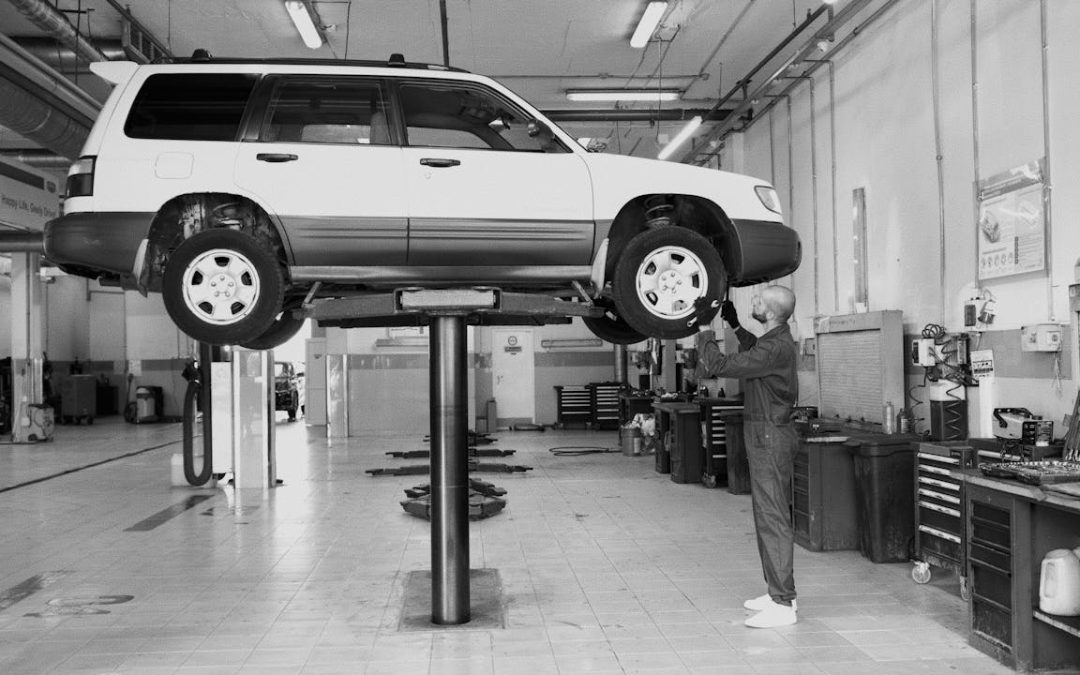
Most people in Blackhawk and Alamo figure their car is doing fine as long as it starts in the morning and gets them down Camino Tassajara without a fuss. Frankly, that’s a low bar. A vehicle can start every single day for years while quietly racking up damage that ends its life five or ten years earlier than it should. The real answer to what keeps a car running long here isn’t some secret trick. It’s boring consistency: oil changes on schedule, fluid flushes before they’re overdue, tires rotated before the tread wears unevenly, and a genuine respect for what this specific stretch of the East Bay does to a vehicle that most owners never think about. Heat, hills, and long commutes on Highway 680 add up to wear patterns that a driver in a milder, flatter climate never has to deal with.
Key Takeaways
- Oil changes, filter swaps, and fluid flushes on a strict mileage schedule are non-negotiable if you want a car to see 200,000 miles.
- The dry heat and elevation changes around Blackhawk and Alamo accelerate rubber degradation, coolant breakdown, and brake wear faster than flatland driving.
- Professional inspections catch problems a driveway check never will, particularly around suspension components stressed by canyon roads.
- Garage parking and regular paint protection matter more here than most owners assume, given the sun exposure typical of Contra Costa County.
- Skipping maintenance doesn’t just risk a breakdown. It compounds, turning a $150 fix into a $1,500 repair bill within a year.
What Routine Maintenance Extends Engine and Drivetrain Life?
Ask any mechanic in the Danville or Walnut Creek corridor what kills engines early, and they won’t mention some exotic failure. They’ll mention neglect. Plain old skipped maintenance, deferred one too many times.
Change Oil and Filter on Schedule
Engine oil isn’t just lubrication, it’s the thing standing between your engine and a slow death by friction and heat. Full synthetic blends can stretch to 7,500 or even 10,000 miles between changes, but that number assumes ideal conditions, which stop-and-go traffic on 680 during rush hour is not. Sludge builds up faster under repeated short trips and heat cycling, and once it coats the internals, you’re not just losing efficiency, you’re shortening the life of every moving part downstream. According to fleet longevity data covered in this breakdown of how regular service helps vehicles reach 200,000 miles, consistent oil service is the single strongest predictor of whether an engine sees six figures on the odometer or dies well short of it. And here’s something people get wrong constantly: oil doesn’t just degrade by mileage. It degrades by time too, since motor oil age matters in ways drivers often underestimate, especially for vehicles that sit for a few days between drives, which describes a lot of two-car suburban households in Alamo.
Replace Belts and Filters on Time
Air filters get ignored because they’re cheap and unglamorous, but a clogged one chokes airflow and drags down fuel economy, and if you’re driving through pollen season or a dusty summer in the hills near Mount Diablo, that filter clogs faster than the manual assumes. Serpentine belts and timing components need attention around 60,000 to 100,000 miles depending on the make, and letting a timing belt snap is one of the few mistakes that can total an otherwise healthy engine in an instant. Not gradual failure. Catastrophic, immediate, expensive failure.
Flush Transmission and Coolant Fluids
Transmission fluid gets marketed as “lifetime,” and that phrase should make any experienced owner suspicious. Manufacturers define “lifetime” as the expected life of the transmission under ideal use, not yours. Under what’s classified as severe service conditions, which includes hilly terrain, frequent stop-and-go, and towing (all common around here), fluid should be flushed far sooner than that vague lifetime claim implies, a point made clearly in this explanation of when transmission fluid actually needs flushing. Coolant matters just as much. Antifreeze breaks down chemically over time, losing its ability to prevent corrosion inside the radiator and engine block, and in a climate that swings from crisp winter mornings to genuinely hot summer afternoons, that thermal cycling stresses the whole cooling system in ways flatter, milder climates never see.
How Often Should You Rotate Tires and Check Brakes?
Rotate Tires Every 5,000 to 8,000 Miles
Uneven tread wear isn’t just a tire problem, it’s a suspension problem waiting to happen. Rotating tires on schedule spreads wear evenly and, honestly, it’s one of the cheapest insurance policies available for extending the life of your suspension components and wheel bearings.
Inspect Brake Pads at Every Oil Change
Brake pads wear unevenly depending on driving style and terrain, and canyon roads around Blackhawk chew through pads faster than flat suburban streets do. Catching thin pads before they hit metal-on-metal saves your rotors, and rotors cost a lot more than pads.
Test Battery Health Twice a Year
Batteries typically last three to five years, but heat is brutal on battery chemistry, arguably worse than cold. Summer heat accelerates internal corrosion and fluid evaporation inside the battery, so a battery that seems fine in March can fail without warning in August.
|
Maintenance Task |
Recommended Interval |
Why It Matters Locally |
|
Oil and filter change |
5,000–7,500 miles |
Prevents sludge buildup from stop-and-go 680 traffic |
|
Tire rotation |
5,000–8,000 miles |
Evens wear from hilly, curving roads |
|
Coolant flush |
30,000 miles or 2-3 years |
Protects against heat-cycling stress on radiator |
|
Transmission fluid |
30,000-60,000 miles (severe use) |
Hills and traffic count as severe service |
|
Battery test |
Every 6 months |
Summer heat accelerates internal corrosion |
How Does the Local Climate Affect Vehicle Longevity?
The climate in Blackhawk and Alamo may seem relatively mild compared to regions with heavy snow or extreme winters, but it still plays a significant role in how quickly vehicles age. Instead of causing sudden damage, the area’s seasonal heat, sunlight, temperature fluctuations, and occasional moisture gradually wear down critical vehicle components over time. Understanding these environmental effects can help drivers take preventive measures that extend the life of their cars.
One of the biggest factors is prolonged exposure to sunlight and dry heat. During warmer months, vehicles parked outdoors are subjected to intense UV rays that slowly degrade exterior and interior materials. Rubber seals, weatherstripping, windshield wipers, hoses, and belts can dry out, harden, and develop cracks after years of heat exposure. Paint and clear coat finishes may also fade or oxidize without regular washing, waxing, or protective coatings. Even interior materials such as dashboards, leather seats, and plastic trim can become brittle or discolored if left unprotected.
Temperature changes also affect vehicle performance in ways many drivers overlook. Tire pressure naturally changes with the weather, generally fluctuating by about one PSI for every 10-degree change in ambient temperature. Because seasonal temperature swings in the East Bay can exceed 40 degrees between cooler winter mornings and hot summer afternoons, tires may become underinflated or overinflated if they are not checked regularly. Improper tire pressure accelerates tread wear, reduces fuel efficiency, affects braking performance, and can compromise handling.
Heat places additional stress on your vehicle’s cooling system. Engines generate tremendous amounts of heat during normal operation, and high outdoor temperatures make it even more challenging for the radiator, water pump, thermostat, and cooling fans to regulate engine temperature. Coolant that has not been replaced according to the manufacturer’s schedule may lose its protective properties, increasing the risk of corrosion, overheating, and expensive engine damage.
Although Blackhawk and Alamo do not experience heavy snowfall or road salt, winter still brings cooler temperatures, fog, and periods of rain. Moisture can accumulate underneath vehicles and around exposed metal components, potentially contributing to corrosion over time. Brake rotors may develop surface rust after rainy periods, while suspension components, exhaust systems, and undercarriage hardware can gradually deteriorate if dirt and moisture are allowed to build up.
Dust and airborne debris are another consideration during California’s dry season. Fine dust can clog engine air filters, cabin air filters, and cooling system components more quickly than many drivers realize. Replacing filters at recommended intervals helps maintain engine performance, fuel efficiency, and cabin air quality.
Fortunately, the effects of the local climate can be minimized through consistent preventive maintenance. Regular fluid inspections, tire pressure checks, cooling system service, undercarriage cleaning, paint protection, and routine inspections help vehicles withstand year-round environmental conditions. By addressing climate-related wear before it becomes a problem, drivers can improve reliability, preserve their vehicle’s appearance, and significantly extend its lifespan.
Why Does Blackhawk and Alamo Terrain Wear Down Cars Faster?
Hills. That’s really the short version. The elevation changes through Blackhawk’s canyon roads and the winding stretches near Alamo mean your brakes, transmission, and suspension are working harder on an average commute than a car doing the same mileage on flat terrain in, say, Sacramento’s grid streets. Constant downshifting and braking on descents heats up brake components and transmission fluid well beyond what city driving alone would cause. It’s not dramatic, it’s cumulative, and that’s exactly why it sneaks up on owners who assume “normal” driving means gentle wear.
Should You Wax, Undercoat, or Garage-Park Your Car?
Paint protection isn’t vanity here, it’s a function. UV exposure from consistent sun bakes clear coats over time, leading to fading and eventually cracking if the finish isn’t maintained. A seasonal wax, maybe twice a year, adds a sacrificial layer that takes the abuse instead of your paint. Garage parking matters more than people assume too, not just for paint but for interior leather, which dries and cracks under direct sun exposure through the windshield. Undercoating is less critical here than it would be in a road-salt-heavy winter climate back east, but for owners planning to keep a vehicle long term, it’s cheap insurance against the moisture that does creep in during rainy stretches.
Why Do Professional Inspections Matter More Than DIY Checks?
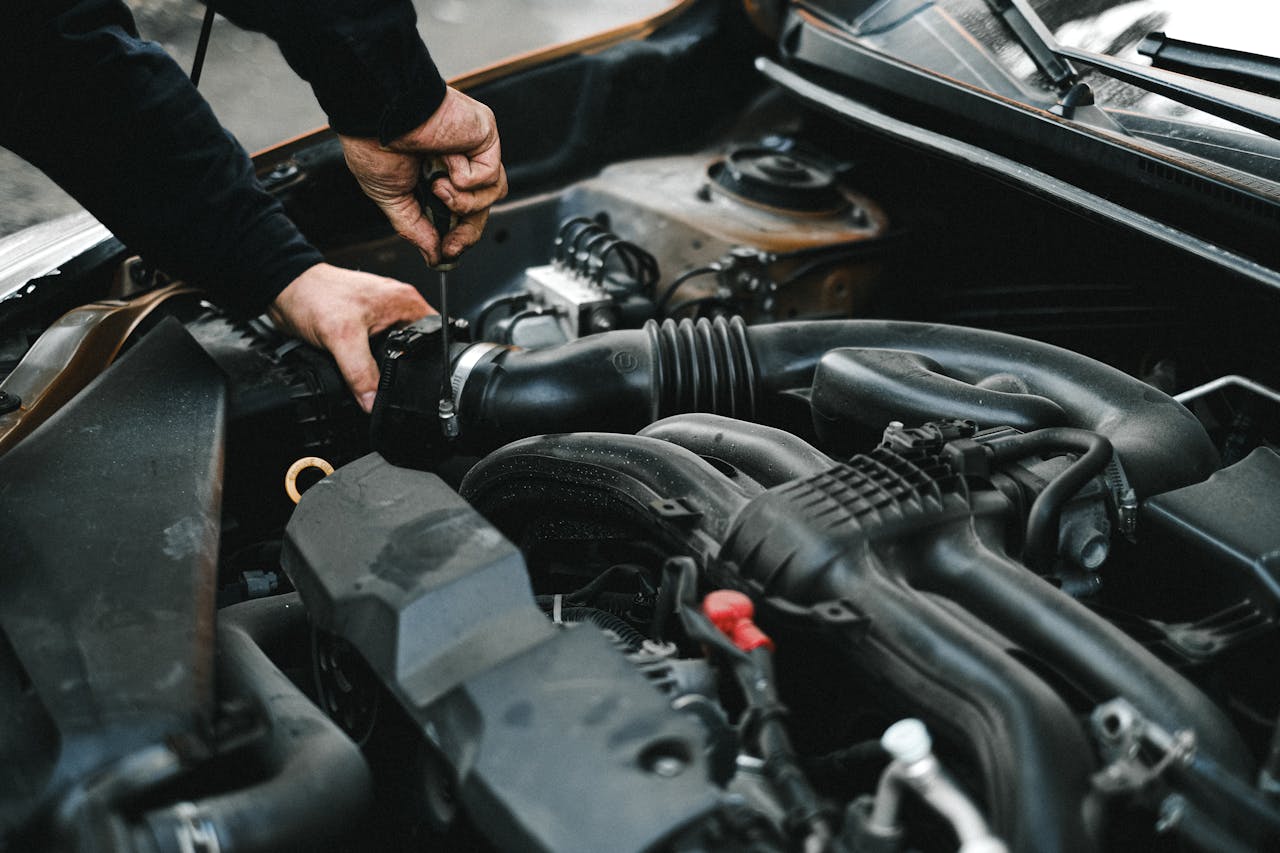
I’ll be honest, most owners catch maybe a third of what a trained tech notices during a proper inspection. You can check your own oil level and tire tread, sure, but you’re not going to spot a hairline crack in a control arm bushing or catch early corrosion on a brake line tucked up under the frame. A free vehicle courtesy check at a reputable local shop typically covers exactly these blind spots, the stuff that doesn’t show symptoms until it fails. And failure, in a car, rarely announces itself politely.
What Maintenance Schedule Should Blackhawk and Alamo Drivers Follow?
Manufacturer schedules are a decent baseline, but they’re written for average conditions, not canyon roads and 90-degree summer afternoons. A more realistic approach for this area:
- Every 5,000 miles: oil change, tire rotation, quick brake pad glance
- Every 15,000 miles: air filter and cabin filter replacement
- Every 30,000 miles: transmission fluid check, coolant inspection, battery test
- Every 60,000 miles: belt inspection, deeper suspension and brake line check
Sticking to something close to this, rather than waiting for a dashboard warning light, is what actually separates a car that dies at 120,000 miles from one still running strong past 200,000.
Does Following a Maintenance Schedule Really Add Years to a Car?
Yes, and it’s not close. The data on this is remarkably consistent across manufacturer studies and independent repair shop tracking alike: vehicles maintained on a strict schedule regularly outlast neglected ones by five to eight years of usable life. It’s not one dramatic fix that does it. It’s the accumulation of dozens of small interventions, each one preventing a cascade of secondary damage that would’ve otherwise followed.
What Happens If You Skip Routine Maintenance for Too Long?
Routine maintenance is designed to prevent small issues from developing into expensive mechanical failures. Every component in a vehicle works as part of a larger system, so when one part is neglected, the effects often spread to other components. Delaying basic services such as oil changes, fluid replacements, filter changes, and inspections can significantly shorten your vehicle’s lifespan and increase repair costs.
For example, a dirty engine air filter restricts airflow to the engine. Reduced airflow forces the engine to work harder to maintain performance, which can lower fuel efficiency, increase engine temperatures, and contribute to carbon buildup. Over time, this extra strain places unnecessary wear on internal components, reducing overall engine efficiency and potentially leading to costly repairs.
Engine oil is another critical area that should never be ignored. As oil ages, it loses its ability to lubricate and protect moving engine parts. Dirty or degraded oil allows increased friction between components, causing accelerated wear on bearings, pistons, camshafts, and other vital engine parts. What could have been resolved with a routine oil service may eventually require major engine repairs or even a complete engine replacement.
Cooling system maintenance is equally important. Coolant gradually loses its corrosion inhibitors, allowing rust and mineral deposits to build up inside the radiator, water pump, heater core, and engine passages. As cooling efficiency decreases, the risk of overheating rises—especially during long drives, heavy traffic, or hot summer weather. Severe overheating can damage head gaskets, warp cylinder heads, or crack engine blocks, resulting in repairs that often cost thousands of dollars.
Neglecting transmission service can have similar consequences. Transmission fluid lubricates internal gears, clutches, and bearings while helping regulate operating temperature. As the fluid deteriorates, shifting may become rough, components experience increased wear, and excessive heat accelerates transmission damage. Regular fluid changes are far less expensive than rebuilding or replacing a transmission.
Routine inspections also help identify worn belts, cracked hoses, aging batteries, brake wear, suspension issues, and leaking seals before they become safety hazards or cause additional damage. Catching these problems early often means replacing an inexpensive part instead of repairing multiple interconnected systems.
The financial difference between preventive maintenance and major repairs is substantial. A scheduled oil change, coolant flush, brake inspection, or tire rotation typically costs a fraction of what you’ll pay for an engine overhaul, transmission replacement, or cooling system rebuild. More importantly, preventive maintenance improves reliability, fuel efficiency, resale value, and overall driving safety.
In the long run, routine maintenance is not simply an expense—it’s an investment in your vehicle’s longevity. Staying on schedule helps ensure your car remains dependable, performs efficiently, and avoids the costly chain reaction of failures that often begins with one overlooked maintenance item.
Conclusion
None of this is complicated, and frankly, that’s the point. Cars in Blackhawk and Alamo don’t die from one dramatic event most of the time. They die slowly, from a hundred small deferred services that compound quietly until something finally gives out on a hot afternoon climbing up toward Diablo. Stay ahead of the schedule, respect what the local terrain and climate actually do to a vehicle, and get the professional eyes on it that a driveway check simply can’t replace. Do that consistently, and 200,000 miles stops being a milestone and starts being an expectation.
Frequently Asked Questions
What maintenance helps cars last longer in Blackhawk and Alamo?
Routine oil changes, tire rotations, brake inspections, fluid checks, air filter replacements, battery testing, and scheduled manufacturer-recommended maintenance are the most effective ways to extend a vehicle’s lifespan. Regular inspections also help identify small issues before they become costly repairs.
How often should I change my engine oil?
The recommended interval depends on your vehicle and the type of oil used. Many modern vehicles can go between 5,000 and 10,000 miles with synthetic oil, but you should always follow the maintenance schedule in your owner’s manual.
Why are regular brake inspections important?
Brake inspections help ensure your vehicle stops safely and prevent excessive wear on rotors, calipers, and other braking components. Addressing worn brake pads early can reduce repair costs and improve safety.
How often should tires be rotated?
Most manufacturers recommend rotating tires every 5,000 to 7,500 miles. Regular tire rotations promote even tread wear, improve handling, and extend tire life.
Does replacing fluids really make a difference?
Yes. Fresh transmission fluid, coolant, brake fluid, differential fluid, and power steering fluid help lubricate components, reduce wear, prevent overheating, and improve overall vehicle reliability.
How can I protect my car from hot California weather?
Park in shaded areas when possible, keep the cooling system in good condition, check coolant levels regularly, inspect hoses and belts, and maintain proper tire pressure to minimize heat-related wear.
What are the signs my car needs maintenance?
Common warning signs include unusual noises, dashboard warning lights, vibrations, fluid leaks, poor fuel economy, difficulty starting, rough shifting, or reduced braking performance. Having these issues inspected early can prevent more extensive repairs.
Can regular maintenance help a car reach 200,000 miles or more?
Absolutely. Many vehicles exceed 200,000 miles when they receive consistent preventive maintenance, timely repairs, quality replacement parts, and careful driving habits.
How often should I have my vehicle professionally inspected?
A comprehensive inspection at least once a year—or during every major service appointment—is a good practice. Vehicles with higher mileage may benefit from more frequent inspections.
Is preventive maintenance more affordable than major repairs?
In most cases, yes. Routine maintenance is significantly less expensive than replacing major components such as engines, transmissions, or cooling systems that can fail due to neglected service.
Are You Looking For Expertise in Automotive Customization?
Experience the excellence of autoTECH Blackhawk in the realm of automotive customization. Why choose us for your vehicle’s customization needs? Our standout feature is our unwavering dedication to building strong relationships with our clients, a crucial aspect in the specialized field of automotive personalization. This commitment is the cornerstone of our tailored services, ensuring our offerings align with your specific vision and objectives for your vehicle’s style, performance, and functionality.
Whether you’re looking to enhance your car’s aesthetic appeal, upgrade its performance with advanced modifications, ensure your family vehicle reflects your unique personality, or seek expert advice on the best customization options for your vehicle, autoTECH Blackhawk is here to exceed your expectations. We take immense pride in our industry-leading 3-year/36,000-mile warranty and our commitment to using only high-quality, manufacturer-recommended parts and accessories.
Don’t hesitate to contact our friendly team today to schedule a convenient and contactless consultation for your vehicle’s next-level customization!