
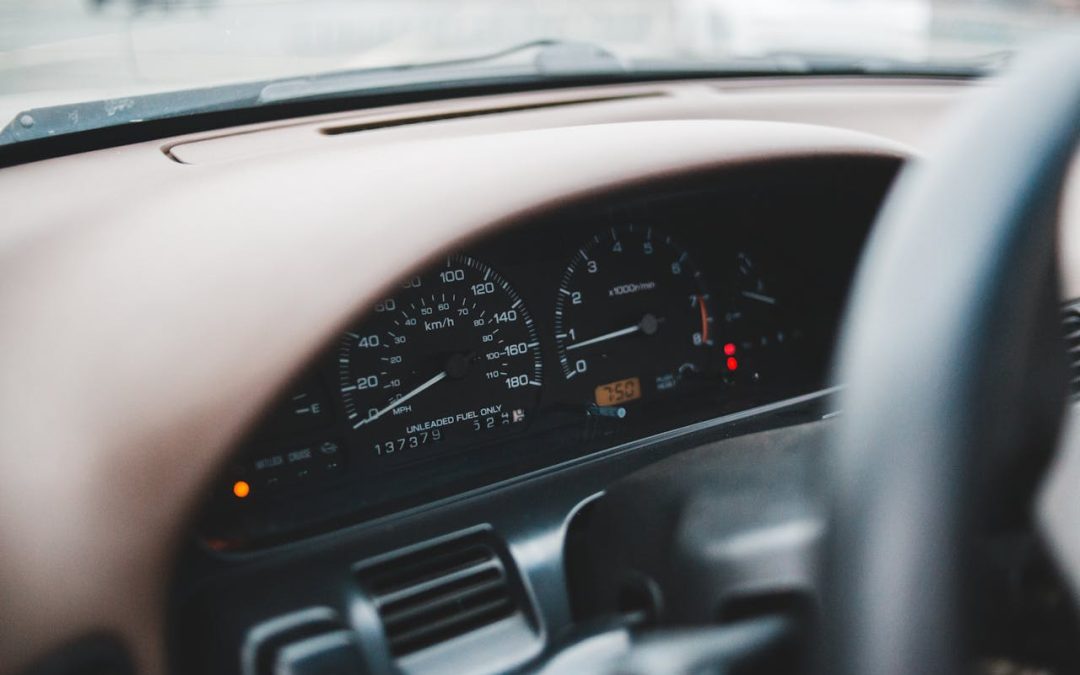
Many vehicle owners eventually face the same difficult question: Is it worth fixing a high-mileage car, or is it time to replace it? When your car reaches 100,000, 150,000, or even 200,000 miles, major repairs may become more frequent, making it tempting to trade it in for something newer. However, mileage alone does not determine whether a vehicle is worth repairing.
Modern vehicles are built to last much longer than they were decades ago. With proper maintenance, many cars, trucks, and SUVs easily surpass 200,000 miles, while some reach 300,000 miles or more. The key factor isn’t simply how many miles are on the odometer—it’s the vehicle’s overall condition, maintenance history, repair costs, reliability, and your financial situation.
Replacing a vehicle is also expensive. New vehicles often come with high monthly payments, increased insurance premiums, registration fees, and rapid depreciation during the first few years of ownership. In many cases, investing in repairs for a dependable high-mileage car is significantly less expensive than purchasing another vehicle.
On the other hand, some repairs simply don’t make financial sense. If your vehicle has severe structural damage, a failing engine and transmission simultaneously, or ongoing reliability issues that create safety concerns, replacing the vehicle may be the wiser long-term decision.
This guide explores every factor you should consider before deciding whether to repair or replace a high-mileage vehicle. We’ll discuss repair costs, depreciation, reliability, safety, maintenance history, vehicle value, and practical strategies to help you make the best financial decision.
Key Takeaways
- High mileage alone doesn’t mean a vehicle should be replaced.
- Maintenance history often matters more than the odometer reading.
- Repair costs should be compared to replacement costs—not just vehicle value.
- Major repairs can still be worthwhile if the rest of the vehicle is in good condition.
- Routine maintenance is usually far cheaper than buying another vehicle.
- Vehicles with rust, structural damage, or multiple failing systems may not be worth repairing.
- Reliability is often more important than mileage.
- Modern vehicles commonly exceed 200,000 miles with proper care.
- A professional inspection helps determine remaining vehicle life.
- Financial goals should guide your repair-versus-replace decision.
Why High Mileage Isn’t the Whole Story
When deciding whether it’s worth fixing a high-mileage car, many people focus solely on the number displayed on the odometer. While mileage is an important consideration, it does not provide a complete picture of a vehicle’s condition. Modern cars are engineered to last much longer than they did in the past, and many well-maintained vehicles continue to perform reliably well beyond 200,000 miles. What truly determines a vehicle’s remaining lifespan is how it has been driven, maintained, and cared for over the years.
Every mile does not create the same amount of wear. A vehicle that spends most of its life cruising on highways experiences significantly less stress than one that navigates congested city streets every day. Likewise, a car that has received regular oil changes, fluid replacements, and scheduled maintenance will typically outlast one with lower mileage but poor service history.
Several factors contribute to the overall health of a high-mileage vehicle, including:
- Consistency of routine maintenance
- Driving habits of previous owners
- Climate and environmental conditions
- Accident and collision history
- Storage conditions
- Overall quality of previous repairs
For example, a vehicle with 180,000 miles that has complete maintenance records and has been carefully driven may be a much better investment than an 80,000-mile vehicle that has skipped routine service and suffered from neglect. Mileage should always be evaluated alongside the vehicle’s mechanical condition rather than used as the sole indicator of value or reliability.
Maintenance History Matters Most
If there is one factor that outweighs mileage when evaluating a high-mileage vehicle, it is maintenance history. Routine servicing prevents excessive wear, catches problems before they become major failures, and helps every component perform as intended.
Owners who consistently follow the manufacturer’s maintenance schedule often enjoy many additional years of reliable service from their vehicles. Even major components such as engines and transmissions can last well beyond 200,000 miles when fluids are changed regularly and worn parts are replaced before they fail.
When considering whether to repair or purchase a high-mileage vehicle, look for service records that document routine maintenance such as:
- Regular engine oil and filter changes
- Brake inspections and brake pad replacements
- Coolant flushes and cooling system maintenance
- Transmission fluid and filter service
- Tire rotations and wheel alignments
- Timing belt replacement (when applicable)
- Spark plug replacement
- Air filter replacement
- Battery replacement
- Suspension and steering maintenance
Comprehensive maintenance records demonstrate that previous owners invested in preventive care rather than waiting for parts to fail. A documented service history also makes it easier to anticipate future maintenance needs and provides confidence that the vehicle has been properly cared for throughout its life.
Ultimately, a well-maintained high-mileage vehicle often represents a smarter investment than a lower-mileage car with an unknown or inconsistent maintenance history. When deciding whether it’s worth fixing a high-mileage car, the condition of the vehicle and the quality of its maintenance should carry far more weight than the mileage alone.
When Fixing a High-Mileage Car Makes Sense
Certain situations strongly favor repairs.
These include:
- Well-maintained vehicle
- No major rust
- Strong engine
- Healthy transmission
- Low annual repair costs
- Reliable daily performance
Recent Major Maintenance
Vehicles become more valuable after receiving expensive maintenance.
Examples include:
- New timing belt
- New tires
- New brakes
- Battery replacement
- Suspension repairs
These investments reduce future repair needs.
Vehicle Meets Your Needs
If your vehicle:
- Starts reliably
- Drives safely
- Fits your family
- Gets acceptable fuel economy
there may be little reason to replace it.
When Replacing the Vehicle May Be Better
Not every vehicle should be repaired.
Sometimes replacement is financially smarter.
Extensive Rust
Structural rust affects:
- Frame
- Suspension mounts
- Brake lines
- Fuel lines
Severe rust creates safety risks that repairs cannot always solve economically.
Multiple Major Failures
Consider replacement if several expensive systems fail together.
Examples:
- Engine failure
- Transmission failure
- Suspension rebuild
- Electrical failures
Repair costs can exceed replacement value.
Major Repairs Worth Considering
Some expensive repairs are worthwhile if the rest of the vehicle remains solid.
Engine Replacement
A replacement engine may cost several thousand dollars.
However, if:
- Transmission is healthy
- Body is rust-free
- Suspension is solid
it may add many years of service.
Transmission Replacement
Transmission replacement is expensive.
Yet replacing one transmission can still cost less than purchasing another vehicle.
Evaluate:
- Overall vehicle condition
- Expected remaining lifespan
- Maintenance history
How Vehicle Reliability Affects the Decision
Reliability often outweighs repair cost.
A dependable high-mileage vehicle may be preferable to an unknown used car.
Predictable Repairs
Routine repairs include:
- Alternators
- Starters
- Water pumps
- Batteries
- Brake components
These are expected maintenance items.
Constant Breakdowns
Frequent towing and unexpected failures reduce confidence.
If breakdowns become common, replacement deserves consideration.
Depreciation vs. Repair Costs
One of the most overlooked factors when deciding whether to fix a high-mileage car is vehicle depreciation. While repair bills are easy to notice because they arrive all at once, depreciation is a hidden expense that affects every new vehicle owner. The moment a new car leaves the dealership, it begins losing value, and that loss can amount to thousands of dollars within the first year alone.
Many new vehicles depreciate by 20% to 30% during their first year and continue to lose value over the next several years. Although depreciation doesn’t require writing a monthly check, it still represents money that disappears as the vehicle’s resale value declines.
By comparison, repairing a high-mileage vehicle means investing in an asset that has already experienced most of its depreciation. If the repair restores the vehicle’s reliability and extends its lifespan by several years, the money spent often provides a better return than purchasing a newer vehicle that will continue losing value each year.
Instead of focusing solely on the repair bill, compare it with the hidden costs of replacing your vehicle. Ask yourself:
- How much will a replacement vehicle depreciate over the next few years?
- Will the repair significantly extend my current vehicle’s lifespan?
- Is my current vehicle otherwise reliable?
- How much will financing increase my overall ownership costs?
For example, a $3,000 engine repair may seem expensive at first. However, if it allows you to drive your vehicle for another five years, the average cost is only about $600 per year. Compare that to purchasing a new vehicle that could lose several thousand dollars in value during its first year of ownership alone.
When viewed from a long-term financial perspective, repairing a dependable high-mileage car is often the more economical choice.
Avoiding Monthly Payments
One of the biggest financial advantages of keeping a high-mileage vehicle is avoiding monthly loan payments. Once your car is paid off, your transportation costs decrease significantly, giving you greater flexibility in your household budget.
Instead of committing hundreds of dollars each month toward a car payment, you can use those savings for other financial priorities, such as:
- Building an emergency fund
- Paying down high-interest debt
- Saving for retirement
- Investing for long-term growth
- Funding home improvements
- Taking vacations
- Covering occasional vehicle maintenance
Even if your vehicle requires periodic repairs, the annual cost is often much lower than making monthly payments on a replacement vehicle.
Consider this example:
Paid-Off Vehicle
- Annual maintenance and repairs: $1,500
Financed Replacement Vehicle
- Monthly payment: $550
- Annual loan payments: $6,600
- Plus higher insurance premiums
- Plus registration fees
- Plus routine maintenance
In many cases, repairing an older vehicle still costs thousands of dollars less each year than financing a newer one.
Driving a paid-off car also provides peace of mind. Without a monthly payment, unexpected expenses become easier to manage, and you have more freedom to make financial decisions based on your goals rather than your loan obligations.
Insurance Savings
Insurance is another area where keeping a high-mileage vehicle can lead to substantial savings. Because older vehicles generally have lower market values, many owners choose to reduce or eliminate certain types of optional coverage, lowering their annual insurance costs.
Depending on the vehicle’s age and value, you may be able to reduce expenses by carrying:
- Lower comprehensive coverage
- Lower collision coverage
- Higher deductibles
- Liability-only coverage, when appropriate and financially sensible
These adjustments can result in hundreds of dollars in annual savings, depending on your location, driving history, and insurance provider.
For example, a newer vehicle with a high replacement value typically requires comprehensive and collision coverage if it is financed. These coverages increase monthly premiums because the insurance company assumes greater financial risk.
A paid-off high-mileage vehicle, however, may not justify the added cost of extensive coverage if its market value is relatively low. In some situations, owners choose liability-only coverage, particularly when the potential insurance payout would be minimal after deductibles.
However, before reducing coverage, carefully consider:
- The current market value of your vehicle
- Your ability to replace the vehicle after an accident
- Your financial situation
- Local insurance requirements
- Your lender’s requirements if the vehicle is still financed
Consulting your insurance agent can help determine the right level of coverage based on your vehicle’s value and your financial goals.
When you combine lower insurance premiums with the absence of monthly loan payments and the reduced impact of depreciation, repairing a reliable high-mileage vehicle often becomes an even more attractive financial decision. For many drivers, maintaining a well-cared-for older car delivers exceptional value while freeing up money for other important priorities.
The Importance of Vehicle Inspections
Professional inspections reveal hidden problems.
Ask mechanics to evaluate:
- Compression
- Oil leaks
- Suspension
- Steering
- Cooling system
- Brake condition
- Exhaust
- Frame integrity
This helps estimate remaining service life.
Compression Testing
Compression tests reveal engine health.
Healthy compression suggests:
- Good piston rings
- Healthy valves
- Long remaining engine life
Computer Diagnostics
Modern vehicles store fault codes.
Professional scanning identifies:
- Engine issues
- Transmission problems
- Sensor failures
before they become severe.
Financial Questions to Ask Yourself
Before replacing your vehicle, ask:
- Can I comfortably afford another vehicle?
- Is this repair likely to solve the problem?
- Is the vehicle otherwise reliable?
- Have maintenance costs remained reasonable?
- How long do I plan to keep it?
Honest answers simplify the decision.
Extending the Life of a High-Mileage Car
Proper maintenance significantly increases lifespan.
Follow Maintenance Schedules
Replace fluids regularly.
Maintain:
- Engine oil
- Coolant
- Brake fluid
- Power steering fluid
- Transmission fluid
Preventive maintenance prevents expensive failures.
Drive Gently
Reduce wear by:
- Smooth acceleration
- Gentle braking
- Avoiding excessive idling
- Maintaining proper tire pressure
- Avoiding heavy overloading
Driving style greatly influences longevity.
Address Small Problems Early
Ignoring:
- Small coolant leaks
- Check engine lights
- Brake noises
- Suspension clunks
often leads to expensive repairs.
Early intervention saves money.
How to Compare Repair Costs to Vehicle Value
Many people follow the “50% rule.”
If repairs exceed half the vehicle’s value, replacement may be worth considering.
However, this rule has exceptions.
Example:
Vehicle value:
$6,000
Repair:
$3,200
If the repair provides another five years of dependable driving, repairing may still be financially advantageous compared to purchasing another vehicle.
Instead of relying solely on market value, compare:
- Remaining lifespan
- Reliability
- Cost of replacement
- Insurance differences
- Financing costs
- Maintenance history
Should You Repair or Replace?
Repairing is usually worthwhile if:
- The vehicle is structurally sound.
- Maintenance has been consistent.
- Repairs are isolated rather than ongoing.
- The engine and transmission remain in good condition.
- You want to avoid monthly payments.
Replacement becomes the better option when:
- Safety is compromised.
- Rust is severe.
- Multiple expensive systems are failing simultaneously.
- Repair costs continue rising every year.
- Reliability has become unacceptable.
Ultimately, the smartest decision balances economics, safety, and long-term dependability.
Conclusion
Deciding whether to fix a high-mileage car isn’t as simple as looking at the odometer. While mileage provides insight into how much a vehicle has been used, it tells only part of the story. Maintenance history, overall condition, repair costs, reliability, and safety all play a much larger role in determining whether continued investment makes financial sense.
For many drivers, repairing a high-mileage vehicle is the more economical option. A dependable car that has been well cared for can often provide many additional years of reliable service, even after surpassing 200,000 miles. Routine maintenance and timely repairs typically cost far less than purchasing another vehicle, especially when you consider loan payments, insurance, taxes, registration fees, and depreciation.
However, there comes a point when replacing a vehicle is the wiser choice. Extensive rust, structural damage, repeated breakdowns, or simultaneous failures of major systems can make repairs impractical or unsafe. In these situations, investing more money into an aging vehicle may only delay an inevitable replacement.
The best approach is to evaluate the vehicle as a whole rather than focusing solely on mileage. Compare repair estimates with the cost of buying another vehicle, review maintenance records, consider your transportation needs, and have the vehicle inspected by a trusted mechanic. An informed decision can save thousands of dollars while ensuring your vehicle remains safe and dependable.
Ultimately, a high-mileage car isn’t necessarily a worn-out car. With proper care, many modern vehicles continue delivering excellent performance well beyond 200,000 miles. If your vehicle remains reliable and repair costs are reasonable, fixing it is often the smartest financial investment.
Frequently Asked Questions
Is 200,000 miles too much for a car?
Not necessarily. Many modern vehicles can exceed 200,000 miles with proper maintenance and regular servicing.
How do I know if a repair is worth it?
Compare the repair cost with the vehicle’s overall condition, expected remaining lifespan, replacement cost, and future maintenance needs.
Should I replace my car after a major engine repair?
Not always. If the rest of the vehicle is in excellent condition, replacing the engine may be more cost-effective than buying another vehicle.
Is it cheaper to keep repairing an old car?
Often, yes. Routine repairs are usually less expensive than the combined costs of financing, insurance, taxes, and depreciation associated with purchasing a newer vehicle.
What is the biggest sign a car is no longer worth fixing?
Severe structural rust, repeated breakdowns, major safety concerns, or multiple costly failures occurring at the same time are strong indicators that replacement may be the better choice.
Does high mileage reduce resale value?
Yes. Higher mileage generally lowers resale value, but maintenance history, condition, accident history, and reliability also significantly influence what buyers are willing to pay.
Can a well-maintained vehicle reach 300,000 miles?
Yes. Many vehicles routinely surpass 300,000 miles when owners follow recommended maintenance schedules, address repairs promptly, and drive responsibly.
Are You Looking For Expertise in Automotive Customization?
Experience the excellence of autoTECH Blackhawk in the realm of automotive customization. Why choose us for your vehicle’s customization needs? Our standout feature is our unwavering dedication to building strong relationships with our clients, a crucial aspect in the specialized field of automotive personalization. This commitment is the cornerstone of our tailored services, ensuring our offerings align with your specific vision and objectives for your vehicle’s style, performance, and functionality.
Whether you’re looking to enhance your car’s aesthetic appeal, upgrade its performance with advanced modifications, ensure your family vehicle reflects your unique personality, or seek expert advice on the best customization options for your vehicle, autoTECH Blackhawk is here to exceed your expectations. We take immense pride in our industry-leading 3-year/36,000-mile warranty and our commitment to using only high-quality, manufacturer-recommended parts and accessories.
Don’t hesitate to contact our friendly team today to schedule a convenient and contactless consultation for your vehicle’s next-level customization!