
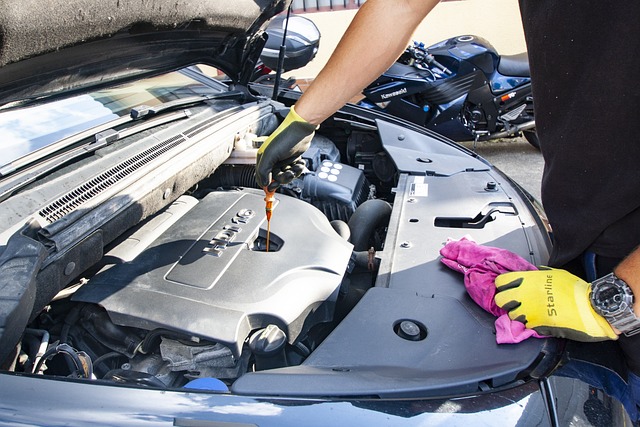
Purchasing a vehicle is one of the biggest investments most people make, making it natural to wonder how long it should last. The good news is that today’s vehicles are built with advanced engineering, improved materials, and more reliable technology than ever before. With proper care, many modern cars can easily exceed 200,000 miles, while some well-maintained models continue running reliably for 300,000 to 500,000 miles.
A vehicle’s lifespan, however, depends on several factors, including its build quality, driving conditions, climate, and how it is used over the years. While no car lasts forever, understanding what affects its longevity can help owners make informed decisions about maintenance, repairs, and long-term ownership.
This guide explores the average lifespan of modern vehicles, the factors that influence how long they last, common causes of premature wear, and practical ways to help maximize your car’s reliability, performance, and value for years to come.
Key Takeaways
- Modern vehicles commonly last 15–20 years with consistent maintenance.
- Many well-maintained cars exceed 200,000 miles, while some reach 300,000 miles or more.
- Routine maintenance costs far less than major repairs caused by neglect.
- Oil changes remain one of the most important maintenance services.
- Transmission and cooling system care significantly extend vehicle lifespan.
- Tire maintenance improves safety while reducing wear on suspension components.
- Driving habits affect longevity almost as much as maintenance.
- Regular inspections help detect small issues before they become expensive failures.
- Environmental conditions influence corrosion and overall durability.
- Following the manufacturer’s maintenance schedule is the best way to maximize vehicle life.
How Long Does the Average Car Last?
Modern automobiles are engineered to provide reliable transportation for many years, thanks to significant advancements in automotive technology, manufacturing processes, and materials. Compared to vehicles produced several decades ago, today’s cars are built with stronger engines, more durable transmissions, improved corrosion protection, and sophisticated onboard computer systems that help monitor performance and alert drivers to potential problems before they become serious. As a result, it is no longer unusual for a well-maintained vehicle to remain dependable for well over a decade.
While every vehicle will eventually experience wear and tear, proper care can dramatically extend its useful life. Many owners are pleasantly surprised to learn that a modern vehicle reaching 100,000 miles is often just entering the middle of its lifespan rather than approaching the end. With consistent maintenance and responsible driving habits, many vehicles continue providing safe, efficient transportation for hundreds of thousands of miles.
Average Lifespan by Years
Most vehicles on the road today can reasonably be expected to last 15 to 20 years when they receive routine maintenance and timely repairs. Some vehicles remain in excellent operating condition for even longer, with many owners driving the same car for 20 years or more. Advances in rust prevention, synthetic lubricants, electronic engine management, and improved manufacturing tolerances have all contributed to longer-lasting automobiles.
However, the lifespan of any vehicle depends on several important factors, including:
- Maintenance quality: Following the manufacturer’s recommended service schedule is one of the biggest contributors to vehicle longevity.
- Climate: Cars driven in regions with heavy snow, road salt, coastal humidity, or extreme heat often require additional maintenance to combat corrosion and weather-related wear.
- Driving habits: Gentle acceleration, smooth braking, and avoiding excessive engine stress reduce wear on critical components.
- Annual mileage: Vehicles that accumulate high mileage quickly may experience faster component wear, although consistent highway driving is generally less stressful than frequent stop-and-go traffic.
- Build quality: Some manufacturers and vehicle models are known for exceptional durability due to engineering, materials, and quality control.
- Accident history: Major collisions can affect structural integrity, suspension alignment, and long-term reliability, even after professional repairs.
Interestingly, many vehicles that are retired today are not mechanically worn out. Instead, owners often choose to replace them because they want newer safety features, improved fuel efficiency, updated technology, enhanced comfort, or changing lifestyle needs. A properly maintained vehicle may still have many years of reliable service remaining even if its owner decides to upgrade.
Proper Maintenance Makes the Difference
Two vehicles of the same make and model can have very different lifespans depending on how they are cared for. While modern vehicles are designed to be durable, regular maintenance plays a major role in helping them perform reliably year after year.
Owners who follow the manufacturer’s recommended maintenance schedule are more likely to avoid costly breakdowns and keep their vehicles in excellent condition. Routine services such as changing the engine oil, replacing worn fluids, rotating tires, inspecting the brakes, and repairing small issues before they worsen all contribute to better long-term reliability.
On the other hand, neglecting maintenance can accelerate wear on critical components. Skipping oil changes, ignoring warning lights, delaying repairs, or driving with fluid leaks can lead to expensive engine, transmission, or suspension problems that significantly shorten a vehicle’s lifespan.
Rather than viewing routine service as an added expense, it should be considered an investment. Spending a modest amount on preventive maintenance helps reduce unexpected repair costs, improves resale value, and allows many vehicles to remain dependable for 15 to 20 years—or even longer.
How Many Miles Should a Car Last?
While a vehicle’s age is important, mileage is often a better indicator of its overall condition. With proper care, many modern vehicles can provide reliable service well beyond what was once considered high mileage.
Common Mileage Expectations
Most modern vehicles can typically reach:
- 150,000 miles with average maintenance
- 200,000 miles with consistent, good maintenance
- 250,000–300,000 miles with excellent maintenance and careful driving
- 400,000+ miles in exceptional cases with meticulous care
Commercial fleets often achieve these higher mileage figures by following strict maintenance schedules and addressing repairs promptly.
Highway Miles vs. City Miles
Not all miles place the same amount of wear on a vehicle. Highway driving is generally easier on major components because it involves fewer stops, smoother acceleration, and more consistent engine operating temperatures. This results in less stress on the engine, transmission, and braking system.
In contrast, city driving exposes a vehicle to frequent stop-and-go traffic, repeated acceleration, constant braking, and extended idling. These conditions increase wear on the brakes, transmission, engine, and tires over time.
For this reason, a vehicle with 200,000 mostly highway miles may actually be in better mechanical condition than one with 120,000 miles driven primarily in city traffic.
Why Proper Maintenance Matters
Routine maintenance is the foundation of vehicle longevity. Every major system in a car—from the engine and transmission to the brakes and suspension—depends on regular inspections and timely service to continue operating efficiently. While modern vehicles are built to be more reliable than ever before, they still contain thousands of moving parts that naturally wear over time. Proper maintenance helps slow this wear, reduces the risk of unexpected breakdowns, and ensures that your vehicle remains safe, dependable, and efficient throughout its lifespan.
Many costly automotive repairs don’t happen suddenly. Instead, they develop gradually as small issues are ignored or routine maintenance is postponed. By following the manufacturer’s recommended maintenance schedule, drivers can identify minor problems early, replace worn components before they fail, and avoid expensive repairs that could have been prevented.
Beyond extending the life of your vehicle, regular maintenance also improves fuel efficiency, enhances driving performance, increases resale value, and provides greater peace of mind every time you get behind the wheel.
Preventive Maintenance Saves Money
Preventive maintenance is one of the smartest financial investments a vehicle owner can make. Although routine service appointments require time and money, they are significantly less expensive than repairing or replacing major vehicle components after they fail. Spending a relatively small amount on scheduled maintenance today can save thousands of dollars in repair costs later.
Essential preventive maintenance services include:
- Oil changes: Fresh engine oil lubricates moving parts, reduces friction, removes contaminants, and helps regulate engine temperature. Regular oil changes are among the most important services for protecting your engine.
- Fluid inspections: Engine coolant, transmission fluid, brake fluid, power steering fluid, and differential fluid all play vital roles in keeping vehicle systems functioning properly. Checking and replacing these fluids at recommended intervals prevents premature wear and overheating.
- Brake service: Inspecting brake pads, rotors, calipers, and brake fluid helps maintain safe stopping performance while preventing more expensive brake repairs.
- Tire rotations: Rotating tires promotes even tread wear, extends tire life, improves handling, and reduces strain on suspension components.
- Belt inspections: Drive belts and timing belts naturally wear with age. Replacing them before failure helps prevent engine damage and unexpected roadside breakdowns.
- Hose replacement: Cooling system and vacuum hoses can become brittle, crack, or leak over time. Replacing aging hoses helps prevent coolant loss and overheating.
- Battery testing: Regular battery inspections identify weakening batteries before they leave you stranded. Cleaning battery terminals and checking charging performance also protect the vehicle’s electrical system.
Preventive maintenance also allows professional technicians to inspect other critical components during routine service visits. They may identify developing problems such as worn suspension parts, fluid leaks, deteriorating bushings, damaged tires, or failing wheel bearings long before these issues become major safety concerns.
Many drivers view maintenance as an unnecessary expense, but in reality, it is a form of insurance against much larger repair bills. A few hundred dollars spent annually on maintenance can often prevent repairs costing several thousand dollars in the future.
Minor Problems Become Major Repairs
One of the biggest mistakes vehicle owners make is ignoring small mechanical problems because the car still appears to be running normally. Unfortunately, minor issues rarely resolve themselves. Instead, they tend to worsen over time, causing additional damage to nearby components and increasing repair costs significantly.
For example, a small coolant leak may initially seem harmless. You might only notice a slight drop in the coolant reservoir or an occasional puddle beneath the vehicle. However, if that leak continues unchecked, the cooling system may no longer be able to regulate engine temperature effectively. As coolant levels drop, the engine can begin to overheat, leading to a chain reaction of expensive damage, including:
- Engine overheating
- Blown head gasket
- Warped cylinder head
- Cracked engine block
- Complete engine failure
Repairing a simple coolant hose or replacing a leaking water pump is typically far less expensive than rebuilding or replacing an engine damaged by overheating.
The same principle applies to many other vehicle systems. Worn brake pads that are not replaced promptly can grind into the brake rotors, turning a relatively inexpensive brake pad replacement into a much larger repair involving rotors and calipers. Ignoring transmission fluid changes can accelerate internal wear, eventually resulting in slipping gears or complete transmission failure. Driving on underinflated tires increases uneven wear, reduces fuel efficiency, and raises the risk of dangerous blowouts.
Dashboard warning lights should also never be ignored. Modern vehicles are equipped with sophisticated onboard diagnostic systems designed to detect problems early. Whether it’s the check engine light, battery warning, oil pressure light, or temperature gauge, these alerts provide valuable opportunities to address issues before they escalate.
Ultimately, routine inspections and timely repairs protect not only your investment but also your safety. Addressing small concerns as soon as they appear helps prevent costly mechanical failures, reduces downtime, and ensures your vehicle remains reliable for many years. Consistent maintenance isn’t simply about avoiding repairs—it’s about maximizing the performance, efficiency, and lifespan of your car while minimizing the total cost of ownership.
Timing Belt and Timing Chain Service
The timing system is one of the most critical components of an internal combustion engine. Whether your vehicle uses a timing belt or a timing chain, its primary function is to synchronize the rotation of the crankshaft and camshaft so the engine’s valves open and close at precisely the right time. This synchronization allows the engine to complete the intake, compression, combustion, and exhaust cycles efficiently and safely.
If the timing system becomes worn, stretches beyond its operating limits, or fails unexpectedly, the engine’s internal components can fall out of sync. Depending on the engine design, this may result in poor performance, engine misfires, difficulty starting, or even catastrophic internal damage. Because repairing timing-related failures can be extremely expensive, regular inspection and timely replacement are essential parts of proper vehicle maintenance.
Understanding whether your vehicle is equipped with a timing belt or a timing chain—and knowing the manufacturer’s recommended service intervals—can help you avoid unexpected breakdowns and significantly extend your engine’s lifespan.
Timing Belts
A timing belt is a reinforced rubber belt with molded teeth that keeps the crankshaft and camshaft rotating in perfect synchronization. Although timing belts are engineered for durability, they gradually wear due to constant heat, friction, and engine operation. Unlike many other components, timing belts often show few visible signs of deterioration before they fail, making preventive replacement especially important.
Many manufacturers recommend replacing the timing belt between 60,000 and 100,000 miles, although some newer vehicles may have slightly longer service intervals. Always consult your owner’s manual for the specific maintenance schedule for your vehicle.
Ignoring the recommended replacement interval can have serious consequences, particularly in interference engines, where the pistons and valves occupy the same space at different times during engine operation. If the timing belt breaks while the engine is running, the valves and pistons can collide, potentially causing extensive internal engine damage.
Possible consequences of a failed timing belt include:
- Bent intake or exhaust valves
- Damaged pistons
- Broken rocker arms
- Damaged camshaft components
- Cracked cylinder head
- Complete engine failure requiring major repairs or replacement
Because replacing a timing belt is far less expensive than rebuilding or replacing an engine, following the recommended maintenance schedule is one of the most cost-effective ways to protect your vehicle.
When replacing a timing belt, many technicians also recommend replacing related components such as:
- Water pump
- Belt tensioner
- Idler pulleys
- Front engine seals
These components often have similar service lives, and replacing them simultaneously can save labor costs while reducing the risk of future failures.
Timing Chains
Many modern vehicles use a timing chain instead of a timing belt. Timing chains are constructed from hardened steel links similar to a bicycle chain, making them significantly more durable than rubber timing belts. Because they operate inside the engine and are continuously lubricated by engine oil, timing chains generally have a much longer service life.
In many cases, a properly maintained timing chain can last the entire life of the vehicle without requiring scheduled replacement. However, this does not mean timing chains are maintenance-free. Poor engine maintenance, particularly infrequent oil changes or using the wrong type of engine oil, can accelerate wear on the chain, guides, and tensioners.
Over time, a worn timing chain may stretch slightly or develop problems with its tensioning system. Common warning signs include:
- Rattling or ticking noises from the front of the engine, especially during startup
- Illuminated check engine light
- Engine misfires
- Rough idling
- Reduced engine performance
- Difficulty starting the engine
- Metal shavings found during an oil change
If these symptoms develop, the timing chain and related components should be inspected promptly by a qualified technician. Delaying repairs can allow the chain to skip teeth or fail completely, potentially causing severe engine damage similar to that caused by a broken timing belt.
Whether your vehicle uses a timing belt or a timing chain, proper maintenance plays a vital role in ensuring reliable engine operation. Following recommended service intervals, changing engine oil regularly, addressing unusual noises promptly, and performing routine inspections can help keep the timing system functioning correctly and contribute significantly to your vehicle’s long-term reliability and overall lifespan.
Driving Habits That Increase Vehicle Lifespan
Maintenance alone isn’t enough.
Gentle Driving
Good habits include:
- Smooth acceleration
- Gentle braking
- Avoiding excessive idling
- Allowing engine warm-up in cold weather
- Avoiding overloading
These practices reduce wear throughout the drivetrain.
Avoiding Aggressive Driving
Aggressive driving increases wear on:
- Tires
- Brakes
- Transmission
- Suspension
- Engine
Driving calmly extends component life.
Environmental Factors
Location affects vehicle longevity.
Harsh Climates
Vehicles in snowy regions often experience:
- Salt corrosion
- Rust
- Brake deterioration
Regular washing helps reduce corrosion.
Hot Climates
Extreme heat accelerates wear on:
- Batteries
- Cooling systems
- Tires
- Rubber hoses
Additional inspections become important.
Common Mistakes That Shorten a Car’s Life
Many problems stem from owner neglect.
Skipping Maintenance
Examples include:
- Ignoring oil changes
- Delaying brake repairs
- Forgetting coolant service
- Ignoring tire pressure
Small delays accumulate into expensive damage.
Ignoring Warning Lights
Dashboard warning lights should never be ignored.
Early diagnosis often prevents larger failures.
Signs Your Car Can Still Last Many More Years
High mileage alone isn’t a reason to replace a vehicle.
Positive Indicators
Your vehicle may have many years remaining if it:
- Runs smoothly
- Doesn’t burn excessive oil
- Shifts normally
- Has minimal rust
- Receives regular maintenance
- Has no major structural damage
Mileage is only one part of the overall picture.
Is It Better to Repair or Replace an Older Car?
Many owners struggle with this decision.
When Repairs Make Sense
Repairing is often worthwhile when:
- Maintenance history is excellent
- Repairs cost less than replacement
- The vehicle remains reliable
- Insurance costs are low
Replacing a dependable vehicle can be far more expensive than maintaining it.
When Replacement Is Better
Replacement may be the smarter option if:
- Repairs exceed vehicle value
- Rust compromises safety
- Multiple major systems fail simultaneously
- Reliability becomes unpredictable
Conclusion
A properly maintained car can remain dependable for far longer than many drivers expect. While older generations of vehicles often struggled to surpass 100,000 miles, today’s automobiles are designed with improved materials, better engineering, advanced electronics, and more durable components that routinely allow them to exceed 200,000 miles. Many owners who follow recommended maintenance schedules continue driving the same vehicle well beyond 250,000 or even 300,000 miles with relatively few major mechanical issues.
The foundation of vehicle longevity is preventive maintenance. Regular oil changes protect the engine from excessive wear, while scheduled coolant, transmission fluid, brake fluid, and differential fluid replacements help preserve critical systems that are expensive to repair. Tire rotations, wheel alignments, brake inspections, battery testing, and routine filter replacements all contribute to keeping the vehicle operating efficiently and safely. These services may seem minor individually, but together they dramatically reduce long-term repair costs and extend the life of nearly every component.
Driving habits are equally important. Smooth acceleration, gentle braking, avoiding unnecessary idling, and respecting your vehicle’s load limits reduce stress on the engine, transmission, brakes, suspension, and tires. Drivers who consistently operate their vehicles responsibly often experience fewer mechanical failures than those who drive aggressively, even when both vehicles receive similar maintenance.
Environmental conditions also influence longevity. Vehicles exposed to road salt, coastal humidity, or extreme temperatures require additional care to prevent corrosion and weather-related wear. Regular washing, rust prevention, and seasonal inspections become especially valuable in challenging climates. Addressing small issues such as fluid leaks, worn belts, unusual noises, or illuminated warning lights immediately can prevent significantly larger and more expensive repairs down the road.
Ultimately, a vehicle’s lifespan depends less on its age or mileage and more on how well it has been cared for throughout its life. A well-maintained car with 220,000 miles may be far more reliable than a neglected vehicle with only 90,000 miles. Owners who invest in routine inspections, follow manufacturer recommendations, use quality replacement parts, and practice preventive maintenance often enjoy many additional years of safe, dependable transportation. Rather than viewing maintenance as an expense, it should be seen as an investment that protects one of your most valuable assets while maximizing reliability, performance, and overall ownership value.
Frequently Asked Questions
How many miles should a properly maintained car last?
Most modern vehicles can last 200,000 miles or more with proper maintenance. Many exceed 300,000 miles when serviced consistently.
Is 100,000 miles considered high mileage?
Not anymore. For today’s vehicles, 100,000 miles is often considered middle age if maintenance has been performed regularly.
What maintenance extends a car’s life the most?
Regular oil changes, cooling system maintenance, transmission service, brake inspections, tire rotations, and replacing worn components before they fail all contribute significantly to vehicle longevity.
Can regular maintenance prevent all repairs?
No. Some parts naturally wear out over time. However, routine maintenance greatly reduces the likelihood of catastrophic failures and helps identify problems before they become severe.
Should I keep repairing an older car?
If the vehicle is structurally sound, reliable, and repair costs remain reasonable compared to purchasing another vehicle, continuing repairs is often the more economical choice.
How often should I inspect my vehicle?
Basic checks such as tire pressure and fluid levels should be performed monthly. A professional inspection at least once a year—or according to your manufacturer’s maintenance schedule—is recommended.
Does highway driving make a car last longer?
Generally, yes. Highway driving usually places less stress on the engine, brakes, and transmission than stop-and-go city driving, contributing to reduced wear over time.
Can synthetic oil help extend engine life?
Yes. Synthetic oil offers better lubrication, improved resistance to heat and oxidation, and longer service intervals, helping protect modern engines when used according to manufacturer recommendations.
What is the biggest mistake car owners make?
One of the most common mistakes is delaying maintenance or ignoring warning lights. Small issues can quickly develop into major repairs if left unaddressed.
Are You Looking For Expertise in Automotive Customization?
Experience the excellence of autoTECH Blackhawk in the realm of automotive customization. Why choose us for your vehicle’s customization needs? Our standout feature is our unwavering dedication to building strong relationships with our clients, a crucial aspect in the specialized field of automotive personalization. This commitment is the cornerstone of our tailored services, ensuring our offerings align with your specific vision and objectives for your vehicle’s style, performance, and functionality.
Whether you’re looking to enhance your car’s aesthetic appeal, upgrade its performance with advanced modifications, ensure your family vehicle reflects your unique personality, or seek expert advice on the best customization options for your vehicle, autoTECH Blackhawk is here to exceed your expectations. We take immense pride in our industry-leading 3-year/36,000-mile warranty and our commitment to using only high-quality, manufacturer-recommended parts and accessories.
Don’t hesitate to contact our friendly team today to schedule a convenient and contactless consultation for your vehicle’s next-level customization!