

To track your car’s maintenance without guessing, use digital logs or apps that record service dates, mileage, and needed checks. More car owners are opting for apps that send reminders for oil changes, tire inspections, and brake checks. Most cars today come with some sort of integrated maintenance indicator on the dash. Others pair with your car’s system for real-time updates. Keeping a simple spreadsheet or notebook works for those who want a paper record. Keeping track of car maintenance helps you catch issues early and keeps your vehicle safe and operational. The core of this post will be a few best-in-class tools, some free and some paid, that meet different needs and work well across many cars.
Key Takeaways
- Being aggressive about tracking your car maintenance saves you a lot of money in the long run.
- Maintenance tracking makes your car safer because when you regularly inspect and service your car, brakes, tires, and lights work when you need them to in any situation.
- No matter where you live, a complete and meticulously maintained service record increases the value of your vehicle, promoting better resale values and buyer peace of mind.
- By utilizing digital tools, mobile apps, or well-organized physical records, you make recording maintenance easy and thus more likely to be reliable while keeping all your vehicle care information consistent, accessible, and accurate.
- Tailoring maintenance to your driving style, regional climate, and vehicle age tackles specific requirements. Predictive analytics and telemetry provide cutting-edge guidance to predict failures and fine-tune service timing.
- Precise service records help with warranty compliance and insurance claims. They give you peace of mind, assuring you that your car is dependably maintained and prepared for safe operation at any time.
Why Track Car Maintenance?
Tracking car maintenance is essential for anyone interested in staying on top of their vehicle’s road worthiness, steering clear of expensive surprises, and making informed care choices. By remaining organized, owners can detect problems proactively, schedule in advance, and maximize their car’s value whether they’re holding it for the long haul or looking to unload.
Financial Savings
Regular maintenance like oil changes, filter replacements, and brake pad checks may appear like minor costs, but neglecting them invariably results in significantly bigger expenses down the road. For instance, changing your engine oil every 5,000 kilometers might cost $50 each time, and keeping up with it will save you thousands in engine failure. Maintaining logs of these activities helps identify tendencies to either overspend or under-maintain, both of which are important when budgeting. By tracking expenses, owners can compare repair shop costs, recognize trends such as regular tire replacements, and instead opt for more economical approaches as time goes on. Car maintenance apps can assist in tracking every service and the amount spent, allowing you to better budget for what’s to come and protect yourself from financial whiplash.
Enhanced Safety
We perform automatic maintenance checks on our brakes, tires, and lights to make certain every safety feature functions as designed. Not tracking brake wear, for example, can result in abrupt failure, endangering all of us traveling on the road. Tire condition is essential for traction and safe maneuvering, particularly in rainy or treacherous environments. Documenting these inspections and utilizing reminders for planned replacements ensures safety remains at the forefront. With every component tracked, problems are discovered early, so there are fewer breakdowns or crashes resulting from skipped maintenance.
Resale Value
A car with a complete maintenance record is far better to sell. Purchasers need confirmation that a car has been maintained, and a nice logbook supports a premium price. If you’re selling, show off recent work, like a new battery or fresh brake pads, to help buyers trust the ride. Maintenance apps are capable of producing transparent reports that display a car’s complete service record, which provides reassurance to potential purchasers and assists owners in receiving an equitable price.
Peace of Mind
A tidy maintenance log equals less anxiety around what’s been serviced and what’s on deck. Reminders for oil changes, inspections, and part replacements ensure you won’t miss anything. Tracking diagnostics helps you catch early signs of trouble. Maintenance apps make this simple, giving owners confidence that their car’s health is in check.
How to Track Car Maintenance
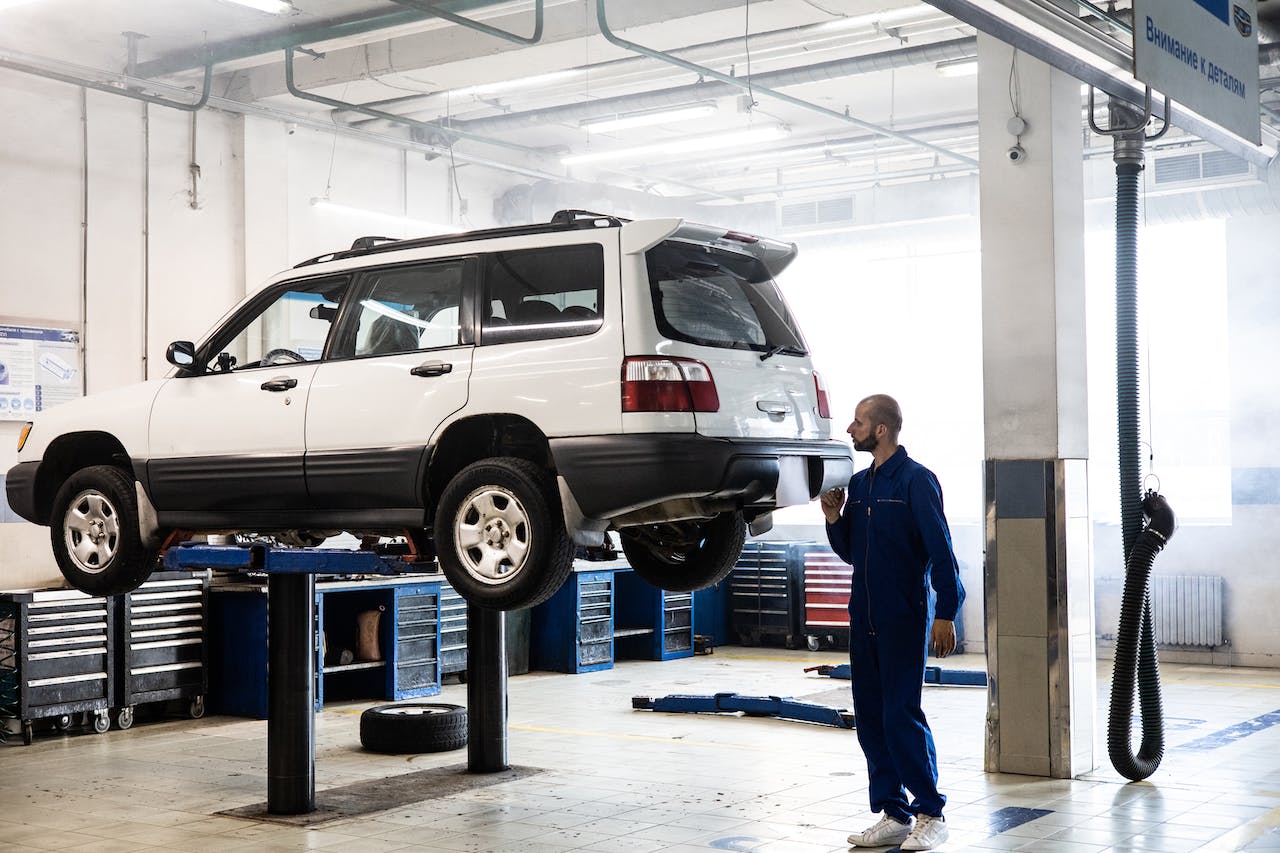
Tracking car maintenance isn’t simply checking off oil changes. A good system keeps your car safe, reliable, and resale-prepped, regardless of where you live or drive. Ways to log maintenance range from apps to digital logbooks to paper notebooks to onboard diagnostics to simply gathering professional service records. Just choose one that matches your lifestyle. Consistency is key. Whichever method you choose, maintain it regularly for optimal effectiveness. These days, most owners go with mobile apps that are convenient and provide helpful reminders, enabling you to quickly log work no matter where you are.
The Digital Logbook
With a digital logbook or mobile app, your phone becomes a maintenance headquarters. Apps like Drivvo, Carfax Car Care, or manufacturer-specific tools allow you to input your service dates, set reminders, and upload your receipts. Many will update your service history automatically, providing push alerts for oil changes or tire rotations based on mileage or time. A few vehicles even allow for syncing these apps directly with the car’s onboard system, so maintenance alerts and odometer data sync in real time. You can create a digital checklist in the app, monitoring little jobs such as fluid top-ups or large jobs such as timing belt replacements. They’ve made it easier to share records, giving potential buyers or mechanics a straightforward service history.
The Analog Notebook
A plain notebook is fine for the pen-and-paper types. Start with a basic log: list the date, type of service, mileage, and any notes on parts or fluids used. This approach demands commitment. Add to the log whenever you have work performed, be it a fast oil change or a comprehensive inspection. Store a folder with receipts, warranty cards, and inspection reports next to the notebook. This backup can be digital or paper but should be accessible. Over the course of a few years, this provides a clear handwritten record of your car’s maintenance.
The Onboard System
New cars have diagnostics and maintenance trackers built in. Onboard systems flash alerts for oil life, brake, or check engine. You can leverage these lights and reminders to schedule service visits. Several systems enable you to review information on recent trips, speeds, and mileage averages, which is a practical metric for customizing maintenance to match. Once you’re done with any maintenance, reset the service indicator via the dashboard menu or as described in the manual so that it is up to date.
The Professional Record
Professional service records offer trusted proof if you intend to sell your car. Make sure to request detailed invoices and receipts when you take your car to a mechanic or service center. Keep these in a special folder. Digital scans are great for backup. These records assist you in tracking significant work, such as 30,000-mile or 100,000-mile checkups, and verify that the work was performed by qualified technicians. They assist with warranty claims, proving you adhered to the manufacturer’s timeline.
Your Performance Metrics
Fuel efficiency fluctuations, slow acceleration, or a rough idle are all a sign that it’s time to service. Keeping tabs on your average fuel consumption and engine response via an onboard computer or an OBD-II scanner reveals when performance lags and indicates worn spark plugs or clogged filters. Remind yourself to check it out whenever you notice dips in mileage or hear an odd sound. These tools help you identify problems early and save cash and time down the road.
The Power of Predictive Data
Predictive data turns car maintenance from a guessing game to an exact science. Thanks to predictive analytics, car owners are able to track when and what their vehicles need, all driven by real data and forecast models. It’s this ability to look not just at what has happened but what is likely to happen that helps owners take action before small things turn into expensive repairs. Their predictive tools pull from various data sources — vehicle sensors, service records, and trends across their entire user base. The end result is a system that makes maintenance smarter and less stressful, regardless of the size of your fleet or where you live.
Understanding Telemetry
Telemetry data records the immediate status of your vehicle’s well-being and efficiency. Almost all new cars have sensors that provide data, such as engine temperature, brake pad wear, or battery voltage, to your phone or dashboard. Apps that leverage this data can provide live diagnostics and warn you of minor problems before they become big. Over time, monitoring this information aids in identifying trends, like recurring coolant temperature surges or gradual battery deterioration.
Monitoring these trends allows you to identify what components require additional attention and when. For instance, if your tire pressure tends to dip faster every couple of months, it could indicate a slow leak or aging tires. Tuning your tune-up plan with this insight leads to fewer shocks at the repair shop and more faith in your car’s durability.
Forecasting Failures
Predictive failure means taking historical warning signs and maintenance actions and using them to anticipate what is likely to go wrong next. By logging every service, whether it’s oil changes, brake pad swaps, or air filter replacements, you construct a timeline that illustrates how your car reacts over time. Predictive maintenance apps can leverage this timeline to flag imminent failures before they occur, warning you weeks in advance when your battery starts to weaken.
A lot of platforms can email or send reminders — for example, when to get an oil change or tire rotation — all specific to your car model, mileage and driving style. This approach makes maintenance a proactive, rather than reactive, undertaking, decreasing expense and minimizing the risk of failure.
Optimizing Service
Taking a look at your car’s service record fine-tunes your maintenance strategy. By recording every result, such as how long a new component held up or how a particular service solved an age-old problem, you begin to identify what’s most effective for your car. Such record-keeping is especially convenient for families or businesses with multiple vehicles, as it stores maintenance information all in one place and is easy to reference.
With this data, you can optimize service intervals, avoid wasteful work, and concentrate on what really keeps your car in premium condition. Positive or negative feedback from each service refines your tracking and results in better, more accurate scheduling.
Integrating Your Service History
Keeping every record in check is part of staying on top of your car’s maintenance. Keeping documentation in order will save you from missed services, will help you keep your vehicle healthy, and will insulate your investment. Begin by compiling your service history — receipts, online logs, and garage reports. Utilize a folder, be it physical or digital, to keep it all together. There are several mobile apps that store service data and send reminders for upcoming tasks. This convenient integration not only saves time, but prevents any maintenance detail from falling by the wayside. Secondhand car owners’ clear histories lead to higher resale value and more buyer trust. Fuel economy tracking odometer readings and fuel quantities allows you to catch problems early, such as efficiency drops that indicate engine or battery issues.
Warranty Compliance
For manufacturers, they need you to service at specific service intervals and use approved parts to maintain warranties. Maintaining service records—dates, mileage, shop information—demonstrates you’ve honored these conditions. Neglecting a timely oil change or using inappropriate parts can void coverage. Digital tools assist in monitoring these intervals by providing reminders for services such as brake inspections or battery maintenance. When a claim is required, transparent logs facilitate smoother, faster processing because you can demonstrate exactly what was done at each stage.
Insurance Benefits
A thorough service record demonstrates to insurers that you’re a conscientious owner, which can result in reduced premiums. If you have to file a claim after an accident, your logs back up your case, providing adjusters with evidence of the vehicle’s maintenance. Certain insurance companies actually provide discounts for owners who demonstrate routine maintenance. Maintaining these records currently places you in an excellent position to haggle for prices or perks.
DIY and Pro Records
DIYers should maintain separate logs of DIY and professional work. This aids in identifying trends, identifying repeated problems, and getting a sense of your car’s requirements as it ages. Incorporate your service history by using an app or spreadsheet to track oil changes, brake swaps, or tire rotations. Don’t just add to the work log when you’re done. This comprehensive log aids warranty claims and insurance conversations and provides a detailed record of your vehicle’s history to prospective owners.
Conclusion
Track car care on a roadmap, not with guesswork. Establish a basic maintenance log or use a simple app. Collect service records and keep them accessible. Make a point to check oil, brakes, tires, and fluids on a given date. Search for patterns and spot a leak or sluggish battery before it strands you. Utilize your notes or phone notifications to schedule every inspection. View stats such as mileage and fuel consumption. Let little steps save lots of money and time. Tell your friends and family to keep their rides ready as well. Take the guesswork out of your car’s maintenance. Need more tips or tools? Drop your thoughts or queries below and let’s get geeky about better habits.
Frequently Asked Questions
How can I track my car’s maintenance without guessing?
About: How do you keep up with your car’s maintenance without guessing? Note all maintenance, dates, and specifics. Schedule future task reminders. This eliminates guesswork and helps you stay organized.
What tools help with car maintenance tracking?
Digital apps, spreadsheets, and vehicle maintenance logs are great. Numerous apps provide reminders and simple data input to keep your information current and handy.
Why is it important to track car maintenance?
Tracking saves you from missed services, keeps your car purring, and can boost its longevity. It keeps your vehicle valuable and safe.
What maintenance tasks should I track?
Track oil changes, brake checks, tire rotations, filter replacements, and fluid levels. Any repairs or upgrades should be tracked. Tracking all services creates a full history.
How does predictive data improve car maintenance?
It uses past service and how you use the vehicle to determine future needs. This lets you schedule fixes in advance, which saves cash and avoids surprises.
Should I follow only the manufacturer’s schedule?
The manufacturer’s schedule is a decent place to start. Habits and conditions might necessitate more regular checks. Modify your maintenance schedule as you go.
How can I include previous service history in my records?
Collect receipts and notes from previous work. Log these details in your app of choice. This will provide a complete picture of your car’s maintenance.
Stay Ahead of Breakdowns With a Smart Car Maintenance Schedule at autoTECH Blackhawk
Your vehicle works hard every day. The best way to keep it reliable is with a clear, consistent maintenance schedule. At autoTECH Blackhawk, we help you take the guesswork out of car care by building a plan based on your vehicle, mileage, and driving habits.
Instead of waiting for something to go wrong, our team tracks what your car needs and when it needs it. Oil changes, brake inspections, fluid services, tire rotations, and more, all handled at the right time to prevent bigger, more expensive issues down the road.
Our goal is simple. Keep your car running smoothly, extend its lifespan, and help you avoid unexpected repairs. With expert technicians, high-quality parts, and a 3-year, 36,000-mile warranty on qualifying work, you get long-term protection you can count on.
Want a maintenance schedule that actually works for your car and your lifestyle? Contact autoTECH Blackhawk today and let our team map out a plan that keeps you driving with confidence.