
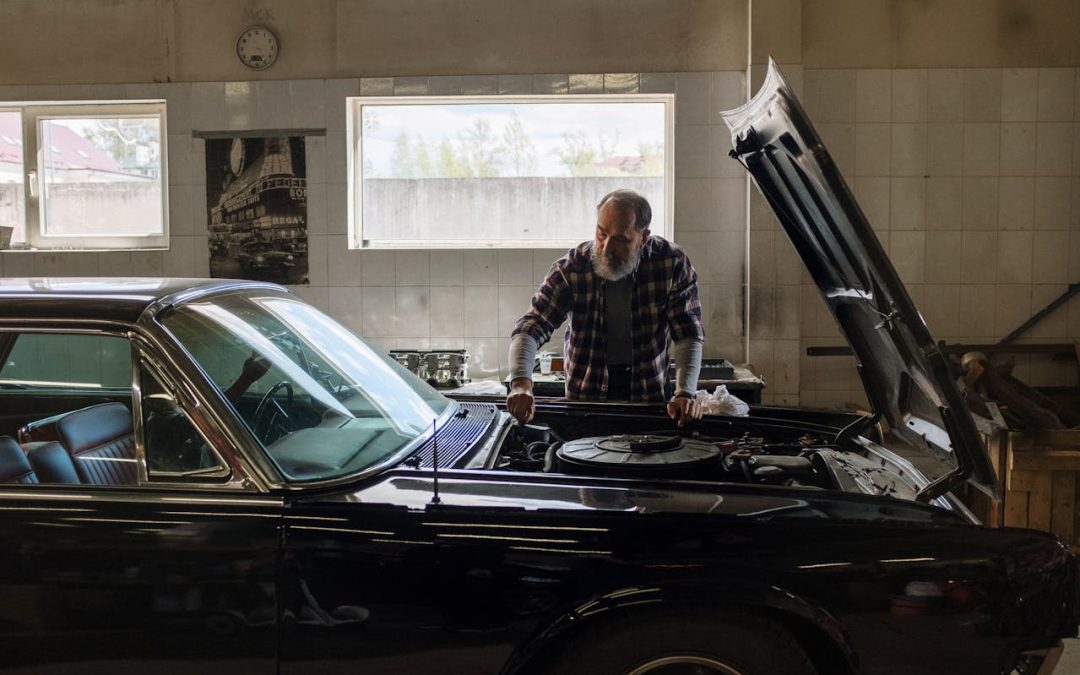
How often should you service your car to avoid major repairs? It is about every 8,000 to 12,000 kilometers or at least once a year, whichever comes first. Most car makers establish these intervals to maintain engines, brakes, and other components. Skipping regular checks can cause big issues like engine failure or worn brakes, which cost a lot more to repair. Oil changes, brake checks, and tire rotations are some of the main tasks done during these visits. Some cars might require more frequent checks if driven in harsh weather or on long journeys. Knowing what your car needs and staying on top of service helps keep it safe and saves you money in the long run. The following part covers why these actions are important.
Key Takeaways
- Following your vehicle manufacturer’s service schedule is important for keeping your car running at its best, for warranty coverage, and for long-term reliability.
- Change it to something based on your own driving habits, the age of your vehicle, and your surroundings in order to avoid surprise problems and expensive repairs.
- Regular check-ups of vital components, including engine fluids, brakes, tires, and battery, identify early wear indicators and improve safety and performance.
- Overlooking small fixes can snowball into serious mechanical breakdowns, causing more expensive repairs and more dangerous conditions for you and others.
- By utilizing diagnostic tools and monitoring warning lights, you can tackle coming issues early and minimize the chance of catastrophic breakdowns.
- By creating your own maintenance schedule and revisiting it regularly, you ensure your car gets the attention it requires no matter how things change.
Your Car’s Service Timeline
New cars can take care of themselves, but only when maintained on a schedule that fits their design and your habits. Sticking to the proper service timeline is one of the easiest ways to save money, avoid unexpected breakdowns, and extend the life of your car. The optimal schedule combines factory recommendations, your lifestyle, your vehicle’s age, and the environment you navigate daily.
Environmental Factors
Weather and roads determine service schedule. In cold weather, for instance, tire pressure decreases by 0.07 bar for every 5°C decrease. Dusty or sandy conditions will stunt an air filter and cause the engine to run inefficiently. Winter and summer require special checks: coolant for freezing and air conditioning for heat. Rough roads or numerous potholes can knock wheels out of alignment and affect suspension.
Your Intuition
If it feels off, such as odd noises, odors, or shaking, don’t brush it aside. Sneaky little differences in steering, braking, or shifting are often the tell-tale signs of early faults. Your senses and instincts pick up problems manuals can’t account for, particularly as your car ages or after repairs.
The True Cost of Neglect
The high cost of neglecting routine maintenance won’t just mess with your car’s performance today. It can seriously slash your wallet, compromise safety, and reduce your car’s lifespan. What’s worse, though, is that by neglecting these small things you invite big trouble that can cost you much more to remedy. The following table juxtaposes the cost of significant breakdowns against basic upkeep, illustrating your savings with consistent maintenance.
|
Maintenance Task |
Routine Service Cost |
Failure Cost (Est.) |
Notes |
|
Air Filter Replacement |
$20 |
$250 |
Oxygen sensor failure from dirty air filter |
|
Belt Replacement |
$60 |
$75+ (tow) + $300 |
Tow and repair for snapped belt |
|
Fluid Change (Oil, Brake) |
$60 |
$1000+ |
Engine/brake failure from old fluid |
|
Tire Rotation & Inspection |
$40 |
$600+ |
Premature tire wear or blowout |
Minor Skip
Small jobs are easily overlooked. Air filters, oil checks and fluid top-ups feel trivial, but they do matter. Neglected filters decrease your fuel economy by 7.5%, meaning you’ll pay $350 or more in fuel a year if you drive 19,000 km. Neglecting to switch out a $20 air filter can damage an oxygen sensor for $250. To skip these steps is to lose performance and to lose money.
Checklists help you keep track:
- Inspect and change air filters every 12,000 to 15,000 km. This keeps airflow clean and protects sensors.
- Change oil and filter every 8,000 to 10,000 km. This practice stops engine wear.
- Check all fluids: engine, brake, coolant, transmission.
- Check belts and hoses for cracks or wear.
- Inspect lights, wipers, and tire pressure monthly.
Digital reminder to not skip work! Access it via your phone or car’s system. Just like routine checks keep your car running at its best.
Major Failure
Disregard maintenance and it can result in catastrophic failure. Engine or gearbox replacements can run into the thousands. A single overlooked belt change can translate into a tow and complete repair, sometimes topping $375. Even worse, resale value plummets after repairs like these. If you delay addressing an issue, the cost of repair can increase four to five times.
|
Delayed Repair |
Immediate Cost |
Delayed Cost |
Impact on Value |
|
Timing Belt |
$300 |
$1200+ |
Decreases resale |
|
Transmission Fluid |
$100 |
$1500+ |
Can total vehicle |
|
Brake Pads |
$100 |
$800 (rotors) |
Major safety loss |
Budget for maintenance. Even a modest repair fund can help avoid financial shocks.
Safety Risk
Safety checks are as important as engine maintenance. Neglected brakes or old tires can cause crashes. Five point two percent of accidents result from ignored maintenance, with numerous injuries and fatalities every day. Make it a habit to periodically inspect brakes, tire tread, lights, and wipers. Be sure your car is safe for you and others.
That means staying on top of recalls for your model. Almost all car makers provide this information at no cost to you. If it’s defective or you’ve missed it, you’re in danger.
Critical Maintenance Checkpoints
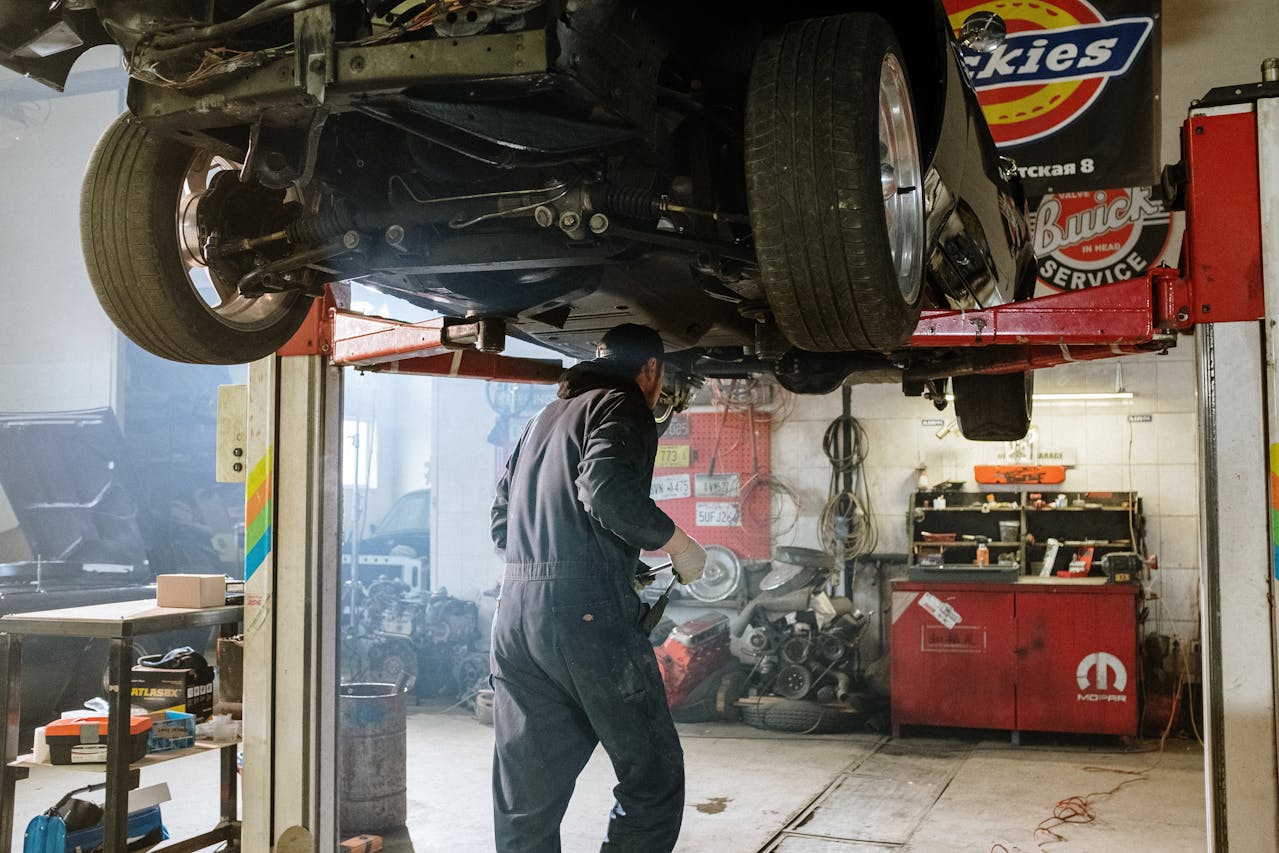
Taking your car in for servicing at the correct intervals keeps it running smoothly and prevents costly repairs later on. These checkpoints are international and are not dependent on a specific country or particular driving style. Paying attention to these will save money and keep you safe on the road.
- Engine fluids
- Braking system
- Tires and suspension
- Battery and belts
Engine Fluids
Check your engine oil once a month and change it every 8,000 kilometers to 12,000 kilometers for the majority of cars. Forget oil changes and you get sludge and engine wear. Coolant keeps your engine from overheating. Replace coolant every 60,000 kilometers, flushing the system to remove old fluid and rust. Change transmission fluid according to the manufacturer’s guideline of 48,000 to 96,000 kilometers. This ensures smooth shifting and avoids gear damage. Brake fluid absorbs moisture and should be replaced every 20,000 to 45,000 miles. Corroded brake fluid leads to a spongy pedal or, in the worst case, brake failure.
Tires and Suspension
Rotate tires every 6,000 to 8,000 miles. It keeps tread wear even and boosts tire life. Tire pressure should be checked monthly. Underinflated tires reduce both fuel economy and handling. Use a tread gauge to check depth, particularly prior to wet or icy seasons. Suspension components such as shocks and struts need to be checked at every major service, roughly every 48,000 kilometres. Bad suspension equals bad ride and less control.
Battery and Belts
Test the battery annually, particularly after 48 months. Bad batteries can leave you stranded. Scrub corrosion off battery terminals every six months. Belts become brittle and break with age, so check them during every oil change. Timing belts should be changed between 120,000 and 144,000 kilometers to prevent engine failure. If your battery is over five years old, schedule a replacement.
Beyond the Owner’s Manual
About: More Than the Owner’s Manual. It enumerates simple suggestions, such as oil or filter changes, but everyday driving and new tech require a bigger view. Each driver encounters different climates, road conditions, and habits. These factors imply scheduled periods may not work for all. For example, if you drive in extreme heat, tow loads, or brake heavily in stop-and-go city traffic, you might require more frequent inspections. It’s smart to keep track of all the services, repairs, and upgrades. This keeps tabs on what’s completed and what’s upcoming, ensuring nothing crucial slips through the cracks. Keeping on top of new fixes from the manufacturer or trusted sources keeps you out in front.
Fluid Quality
- Check fluid color, smell, and texture every month.
- Treat change oil, brake, and transmission fluids based on look and feel, not just the odometer.
- Beyond the Owner’s Manual
- Peek under the car and around the engine for indications of leaks.
Fluids are not permanent and can deteriorate much faster in severe environments. Brake, coolant, and power steering fluid all require some love. If you notice leaks or strange smells, repair them immediately. A transmission flush every 30,000 to 60,000 miles keeps parts clean and working well.
Driving Style
Your own habits are a big factor in maintenance. Smooth starts and stops put less stress on the engine and brakes. Racing, hard stops, sharp turns, and rapid accelerations deplete components sooner. Idling for long stretches, such as in heavy traffic, wastes fuel and burdens the engine. Do your best to drive easy and don’t make any jerky maneuvers, particularly on rough or icy roads.
If you frequently encounter stop-and-go traffic or rugged terrain, you’ll require more regular inspections, particularly for brakes and suspension. Check brake pads every 32,000 to 48,000 kilometers, or sooner if you hear squeals or vibrations.
Diagnostic Tools
Simple code readers or Bluetooth scanners can display early indicators of problems. A lot of cars now have onboard systems that monitor engine health and issue warnings. If a warning light flashes, don’t brush it off—have a professional scan it ASAP. Big repairs typically begin with little, inexpensive ones if you catch them in time. Keep an eye out for new diagnostic tools; they keep getting easier to use and more powerful. Even entry-level models can spot engine, battery, or exhaust problems before they escalate.
Online car forums and groups exchange tips for utilizing these tools, assist you in interpreting error messages and provide guidance for your particular make and model.
Listening to Your Vehicle
Paying attention to how your car acts can detect issues before they escalate. Little shifts, noises, warning lights, or the way the car handles are almost always indicative of something that requires a rapid response from you. Becoming familiar with your car’s typical noises and behaviors allows you to catch problems early, which can save you costly repair bills and keep you more secure when driving.
Unusual Noises
Sounds – Grinding when you brake can signify worn brake pads. Knocking or pinging coming from the engine can indicate worn spark plugs or more serious engine issues. Occasionally, a squealing belt or clunk under your car warns of loose or failing parts that require fast attention. If you notice a new or unusual noise, have it checked immediately. Disregarding these warnings can cause a small fix to easily turn into a major repair.
Maintain a basic record on your phone or notebook of any unusual noises. Record when they occur and what you were doing, such as accelerating, turning, or braking. This log allows your mechanic to diagnose and fix the issue more quickly. If something won’t go away or gets worse, visit a mechanic as soon as you can.
Warning Lights
Dashboard lights are the car talking to you. When one lights up, it means the system’s onboard computer has detected a problem. Check engine, oil pressure, or brake light all require immediate attention. If you don’t know what a light means, consult your manual or search up a guide online.
Some lights illuminate for minor issues, like a loose gas cap, but others indicate you should pull over immediately, such as the oil pressure or temperature alert. If the light stays on once you’ve addressed the issue, a diagnostic scan is required. Don’t ignore these warnings; little issues can deteriorate quickly.
Performance Changes
A decline in fuel efficiency or sluggish acceleration usually indicates it’s time for service. A loose feeling in the steering or brakes that respond late are indicators of worn components such as wiper blades or pads. Monitor these shifts by observing either fuel consumption or how the car drives on your commute.
If problems don’t disappear with simple maintenance, have a mechanic look it over. Regular monitoring aids in identifying patterns, such as a gradual decrease in fuel efficiency, allowing you to intervene early and prevent more extensive damage.
Creating Your Personal Schedule
How to Build Your Own Personal Car Service Schedule is simply about understanding your car and your requirements. A plan will help you get in front of expensive repairs, keep your car secure and make efficient use of your time. It can reduce stress. When your schedule fits your life, you accomplish more and have space for relaxation and things you enjoy.
- Begin by examining your car’s manual. Most will indicate optimal times to inspect items such as oil, brakes, and filters. These hours may fluctuate if you put your car to hard use, such as city driving or extended journeys. List the checks and how often to do each.
- Consider the roads, the weather, and your weekly mileage. If you drive excessively or in dust, you will need to pay more frequent visits to check your air filter and oil.
- Then, take a calendar or planner. Schedule in all checks and services. For example, schedule an oil change every 7,500 km or a brake check every 15,000 km. Leave yourself reminders so you don’t forget.
- Squeeze these checks into your daily or weekly plans. Select a time when you feel energetic and able to concentrate. Some prefer to plan at night, while others prefer to plan in the morning.
- Leave room for breaks. Rest keeps you sharp and makes the work feel less difficult.
- Leave space for the things that count, like self-care, walks, or play. This equilibrium saves you from becoming burned out by tasks.
- Maintain flexibility in your schedule. Life moves at a quick pace. Be prepared to shuffle things around.
- When the plan is completed, once a month, review your plan. If your drive changes or car ages, you might need to adjust your schedule. This allows you to catch what you missed and keeps your plan serving you.
A schedule, properly executed, frees you up to save time and money. It lets you catch minor problems before they get big. Figure out a system that works for your life and deploy tech to assist. Don’t let it control your day.
Conclusion
About: How often should you service your car to prevent major repairs? Check oil and fluids, swap filters, and watch tire wear. Notice new noises or differences in how the car drives. Stick to your owner’s manual recommendations, but modify if you drive in harsh weather conditions or on uneven roads. A little plan prevents big repair bills down the road. For instance, a timely oil change now can save an engine later. Missed checks frequently result in minor repairs turning into major ones. Staying alert to how your car runs helps you spot trouble early. Track your own routine and make minor repairs immediately. Looking to save money and keep your car running smoothly? Begin with tiny changes and establish habits.
Frequently Asked Questions
How often should I service my car to prevent major repairs?
Maintain your vehicle every 10,000 to 15,000 KM or annually, whichever occurs first. Frequent service prevents expensive repairs.
What happens if I skip regular car maintenance?
Missing maintenance can cause engine damage, fuel inefficiency, and safety hazards. Over time, neglect raises the risk of costly repairs.
Which car components need the most frequent checks?
Check your engine oil, brake fluid, tires and lights most often. These are parts you want to keep in tip-top shape for safety and performance.
Should I always follow the service intervals in the owner’s manual?
The owner’s manual is a good guide, but your driving conditions may require more frequent service. Modify your schedule for extreme climates or severe use.
How do I know if my car needs servicing before the scheduled time?
Pay attention to any strange sounds, warning lights, or performance changes. These symptoms frequently indicate that your vehicle requires service right away.
Can regular servicing improve my car’s lifespan?
Yes, routine servicing makes your car last longer. It maintains moving parts and saves premature wear and tear.
Is professional service better than DIY maintenance?
Professional service means expert checks and quality parts. DIY can take care of the low hanging fruit, but intricate work is best left to professionals.
Stay Ahead of Breakdowns With a Smart Car Maintenance Schedule at autoTECH Blackhawk
Your vehicle works hard every day. The best way to keep it reliable is with a clear, consistent maintenance schedule. At autoTECH Blackhawk, we help you take the guesswork out of car care by building a plan based on your vehicle, mileage, and driving habits.
Instead of waiting for something to go wrong, our team tracks what your car needs and when it needs it. Oil changes, brake inspections, fluid services, tire rotations, and more, all handled at the right time to prevent bigger, more expensive issues down the road.
Our goal is simple. Keep your car running smoothly, extend its lifespan, and help you avoid unexpected repairs. With expert technicians, high-quality parts, and a 3-year, 36,000-mile warranty on qualifying work, you get long-term protection you can count on.
Want a maintenance schedule that actually works for your car and your lifestyle? Contact autoTECH Blackhawk today and let our team map out a plan that keeps you driving with confidence.