
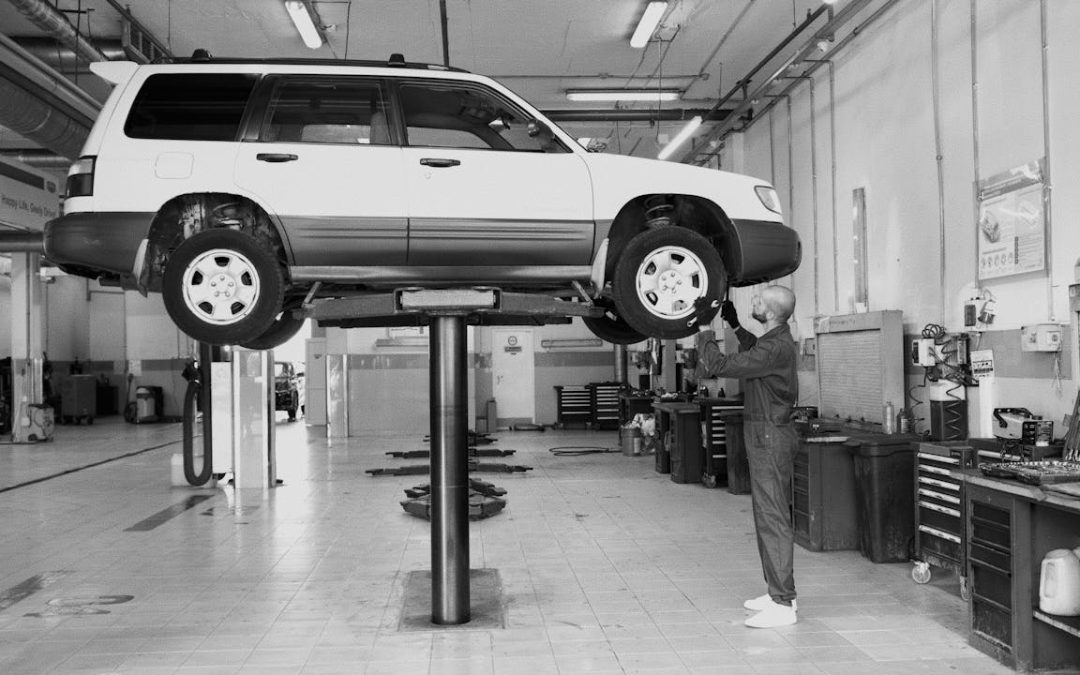
The magic of an ideal car maintenance schedule for long-term reliability is performing fundamental checks and services at regular intervals. Oil changes every 8,000 to 12,000 kilometers, brake checks twice a year, and changing air filters once a year help you avoid big problems. Fluids such as coolant, brake, and transmission should be checked every few months. Tire rotation every 10,000 kilometers keeps tread even. Battery tests, belt, and light checks each year assist. Several manufacturers provide a schedule in the owner’s manual, but local roads and climate might necessitate more regular inspections. Small things like this add up to saving money and trouble down the road. The main body will demonstrate how every step integrates into a practical schedule for any driver.
Key Takeaways
- Set a maintenance schedule starting from your vehicle’s manual and modifying it according to your driving habits, local climate, and your car’s age for long-term reliability.
- Adjust your maintenance schedule to account for things like aggressive driving, numerous short trips, high or low temperatures, and seasonal changes to help reduce early wear.
- Focus on high-impact maintenance like oil changes, brake inspections, tire rotations, and fluid integrity checks to bolster overall vehicle health.
- As vehicles age, step up inspection frequency and watch for wear. Replace major components and consumables in a timely manner.
- Only ever use the highest-quality parts and fluids that meet manufacturer specifications to protect performance and prevent expensive repairs from cheap products.
- Be proactive with regular visual, auditory, and sensory checks, consulting the pros and maintaining detailed service records to catch problems before they become big.
The Foundation of Your Schedule
Your peace of mind depends on it. This one combines the maker’s tips, your commute, weather, the age of your vehicle, and your personal targets. Each one determines the intervals at which you should have important components inspected, replaced, or repaired to keep your vehicle in prime operating condition.
Manufacturer Baseline
Begin, as always, with your car’s manual. The routine in the manual, like oil changes every 8,000 to 15,000 kilometers or replacing filters at certain distances, is made for standard use. Following these guidelines ensures you don’t skip essential work such as brake inspections or coolant flushes at key intervals of 30,000, 60,000, or 90,000 kilometers. These intervals can vary by make or model, so check your manual for details. It makes it easy to prove to them that you followed the warranty rules, which can be handy.
Driving Habits
Your habits are as valuable as the manual. If you have heavy mileage or harsh stop-and-go traffic, you’ll want oil changes and tire rotations more frequently. Hard braking, rapid acceleration, and urban driving put more stress on components than calm highway miles. Identify patterns in your schedule, like exclusively short jaunts or heavy idling. This could translate into more oil changes or earlier battery replacements.
Climate Conditions
|
Climate Type |
Risks |
Key Maintenance Tasks |
|
Hot & Dry |
Fluid loss, tire wear |
Check coolant, inspect tires, change fluids more often |
|
Cold & Snowy |
Battery drain, road salt |
Test battery, use winter tires, check brakes, wiper blades |
|
Wet & Humid |
Rust, electrical issues |
Inspect seals, clean undercarriage, replace wipers |
|
Variable/Seasonal |
All of the above |
Seasonal tire change, full system checks |
The seasons shift, as does what your car requires. Take them off and swap them out prior to the rainy or snowy months. Check antifreeze in the winter. Get the right tires for your climate.
Vehicle Age
As cars age, minor issues snowball. Step up your frequency for checking fluids, belts, hoses, and brakes. Keep an ear open for strange noises and an eye out for fresh shakes or leaks. Big jobs like timing belt or water pump changes should be scheduled at over 100,000 kilometers. Like an old car, they require a bit more manual attention to keep secure and sleek.
Personal Goals
Pick what matters most: fewer breakdowns, higher resale, or just peace of mind. Schedule reminders for inspections and oil changes, and list your priority tasks, such as tire or light inspections. Preventive care, not just repairs, keeps you on the road and costs down.

Beyond the Manufacturer’s Manual
While most car manuals provide some basic steps, real-life maintenance often requires more. Cars in our current reality have to withstand a variety of roads, weather and practices. So what works in the manual may not suit you. A lot of manuals miss in-between steps like looking for early signs of wear, giving the underbody a good cleaning or checking belts and hoses after extended road trips. For instance, swapping out oil every 3,000 miles is outdated guidance. Modern oil and engines can extend that timeframe. You should examine the oil and all filters more frequently if you drive in hot, cold or dusty locations.
Being on top of recalls and service updates is crucial. Manufacturers occasionally identify defects after a model is out on the road. Recalls might translate to new parts or software patches that prevent more serious issues down the road. Owners can visit automaker sites or sign up for recall alerts to identify updates as they arrive. This step is crucial for safety and will keep your car running better, longer.
A good mechanic can catch things the manual misses. They examine your car’s wear, listen for quirky noises and inquire about your driving habits. If you drive in stop-heavy cities or tow weights, you’ll need new brake fluid or pads sooner. Pads can last around 80,000 km, but that goes down with aggressive driving. Mechanics assist you in addressing minor issues such as leaks, loose wires or unusual odors before they become costly.
Proactive measures keep your vehicle robust. Rotate tires every 10,000 to 13,000 km to prevent uneven tread wear. This is a nice little money saver on new tires. Change air filters every 24,000 km or earlier if you frequently drive in dust. Spark plugs survive anywhere from 48,000 to 160,000 km, but if you’re starting rough or using fuel poorly, they could be toast sooner. Wiper blades wear out in as little as six months, and brake fluid needs to be replaced anywhere from 32,000 to 72,000 kilometres. These steps reduce the likelihood of failures and strain, and they tend to keep the car running for years.
High-Impact Maintenance Tasks
Long-term reliability in a car is a function of routine, high-impact maintenance. Oil changes, brake inspections, and tire rotations are the life blood of maintaining your crucial systems. All of these tasks contribute to avoiding breakdowns, minimizing repair expenses, and prolonging a vehicle’s life regardless of your driving destination.
Fluid Integrity
- Begin with oil, coolant, brake fluid, and transmission fluid. Check levels every month.
- Top off or replace as needed per your car’s manual.
- Keep an eye out for indications of contaminated or black brake and transmission fluids. These must be changed immediately.
- For safety and performance, always run fluids that meet the maker’s specifications.
Coolant checks are essential in preventing an overheated engine. Brake fluid is hygroscopic, so it’s wise to replace it every couple of years. Transmission fluid should be checked for its color and smell to identify premature wear. These actions assist in maintaining the vehicle’s systems operating easily and decrease the possibility of expensive repairs.
Filtration Systems
Fresh air filters increase power and fuel consumption. Cabin air filters defend the air you breathe. Fuel filters prevent grit from damaging the engine.
- Replace engine air filters every 15,000 to 30,000 kilometers, or more frequently in dusty regions.
- Replace cabin air filters every 12 to 18 months.
- Check fuel filters every 40,000 kilometers.
A clogged filter can slash engine life and reduce gas mileage. Ongoing swaps prevent these problems, keep the engine air breathing, and driving pleasant.
Mechanical Wear
Brake pads and rotors should be checked regularly for safe stopping. Tires need to be rotated every 8,000 to 12,000 kilometers to keep tread even. Worn tires or brakes make driving dangerous and increase repair expenses.
Suspension components such as shocks and struts should be inspected for leakage or damage. All of that odd noise or shaky rides are warning signs that maintenance tasks need rapid addressing. Spark plugs should be changed every 100,000 to 160,000 km to keep the engine firing correctly.
Electrical Health
Test the battery twice a year, before winter in particular. Scrape any rust from connections and repair frayed wires immediately. Your wiper blades should be changed every 6 to 12 months and all lights replaced immediately when they dim or burn out. If warning lights appear, get a diagnosis early.
The Myth of “Lifetime” Parts
Lifetime” parts is a nice sounding phrase but it typically doesn’t mean what you think it means. For instance, nearly every car maker uses the word lifetime to refer to the duration of the original warranty, which can extend from 5 years to as long as 160,000 km. It’s not that these parts last a lifetime or require zero maintenance. Those so-called “lifetime” parts really need periodic inspection and maintenance. Ignoring this can cause failures well before the car reaches high mileage.
A lot of drivers put conditions that wear parts out faster than anticipated. This is everything from daily short jaunts to traffic congestion to severe weather, scorching or freezing. These are referred to as ‘severe’ driving conditions, and they place additional wear on components such as brake pads, filters, and fluids. Most car manuals show two sets of care plans: one for normal use and another for severe use. If you drive in stop-heavy cities or areas with huge temperature swings, the brutal schedule aligns better. That translates to more frequent part inspections or replacements.
Brake pads, air filters, and cabin filters are good examples. Even if labeled “lifetime,” these need to be checked at every service. As for brake pads, the majority have to be replaced every 40,000 to 80,000 kilometers, but lots of stop-and-go driving can accelerate that. Air filters get clogged faster in dusty urban areas. Cabin filters only tend to last 20,000 kilometers in harsh environments. Leaving these issues unchecked can damage safety and make cars less dependable.
Fluid changes are another crucial step. Not even ‘filled for life’ sealed transmissions. Specialists recommend replacing fluids such as transmission oil and coolant every 50,000 to 100,000 kilometers, depending on your driving habits and location. While forgoing these jobs can certainly save money in the short run, in the long run it can result in major repairs, such as full transmission swaps, which can run into the thousands of dollars. Good mechanics can assist you in establishing a real-world schedule that matches your driving, not the generic manual.
Proactive Diagnostic Checks
Proactive diagnostic checks allow drivers to identify minor issues before they escalate, keeping car care more affordable and minimizing the danger of breakdowns. These checks maintain the integrity of critical systems such as tires, brakes, and suspension, which means components have greater longevity and the vehicle remains safer to operate. Regular checks can even make the car run smoother and burn less gas. Some drivers should check more frequently if they drive in hard conditions, such as extreme heat, heavy traffic, or heavy loads. Your owner’s manual provides explicit guidance on the frequency of various inspections, but monthly or seasonal checks are a solid baseline for most.
Listening
Engine noises provide an early warning. Clacking or clattering may indicate engine wear or issues with moving components. Brakes that begin to squeal, grind, or make new noises could indicate worn out brake pads or a system fault. Noises when cornering or accelerating, like thumps or bangs, can indicate suspension damage. Listening often helps catch new noises early, so you can act before a small issue becomes a bigger one.
Feeling
Shakes in the steering wheel or seat can be indicators of alignment issues or worn suspension. If the brake pedal has too much give or is too hard, the brakes may require attention. Excessive force required to change gears can indicate a transmission problem. Variations in the way your car turns, whether it is pulling to one side or feeling loose, can be an early indicator of suspension wear or low tire pressure. These tell-tale signs experienced while you drive can indicate issues before they exacerbate.
Seeing
Check the tires for abnormal wear or bald spots, which can indicate poor alignment. Noticing leaks under the car or low fluid levels allows you to catch leaks early. Cracked or frayed belts and hoses require immediate care before they tear. Rust on the frame or undercarriage, if ignored, will spread and compromise important components. These easy checks can save you thousands in repair bills.
Smelling
Burning smells typically indicate something is overheating or has an electrical short. A fuel smell may indicate a leak in the fuel line or tank. A sweet smell could indicate a coolant leak. Here’s a table of common whiffs and what they might signify.
|
Smell |
Possible Issue |
|
Burning |
Overheating, electrical short |
|
Fuel |
Fuel leak |
|
Sweet |
Coolant leak |
|
Rotten eggs |
Catalytic converter problem |
Quality Parts and Fluids
Long term car reliability is based on quality parts and quality fluids. The key is using quality parts and fluids that meet or beat the maker’s specs. We’re talking about selecting filters, oils, and other consumables from reputable brands. Pair every oil change with a filter designed for your vehicle’s specific make and model. Don’t opt for the bargain brands; they may not filter oil effectively or disintegrate too soon. Engine oil is a good case. This should be changed regularly as dirt, carbon, and small bits of metal work their way into the oil and can damage engine components. For most cars, synthetic oil survives for 8,000 to 16,000 kilometers, while non-synthetic oil needs replacement every 5,000 kilometers. It’s best to use the type and grade the manufacturer specifies in the manual.
Transmission fluid is another one you shouldn’t skip. With manual gearboxes, replace the fluid every 48,000 to 96,000 kilometers. For the majority of automatics, that’s in the range of 32,000 to 72,000 miles, although some can make it to 160,000. Always consult your car’s manual, because neglecting this can result in bumpy shifts or transmission harm. Power steering fluid should be swapped out at approximately 120,000 kilometers, or if the steering begins to feel weird or makes noise. Coolant and brake fluid deserve some love, as they both factor greatly in safety and stopping power.
Filters, such as air and fuel filters, tend to be overlooked. Air filters need to be replaced every 15,000 to 30,000 miles, sooner in dusty locations. A clogged air filter makes the engine work harder and potentially cuts fuel economy. Fuel filters should be replaced as soon as 48,000 kilometers or as the manufacturer states. Dirty, old filters can allow grime to damage the fuel pump or injectors.
Keep a mini-inventory of the essentials: engine oil, filters, coolant. This keeps you doing maintenance on time, so you don’t extend intervals and invite breakdowns. It’s savvy to inspect spark plugs. They gobble up heat and grime, so exchange them as needed for crisp starts and optimal fuel consumption.
Conclusion
To keep your car running for years, adhere to a defined schedule and be proactive. Check oil, coolant, and brake fluid on schedule. Change filters before gunk builds up. Pay attention to strange noises or leaks, not just the dashboard. Use parts and fluids that meet the maker’s specifications, not just the cheapest on the shelf. Trust your own eyes and ears. We don’t get cars to run on optimism or quick fixes. Little steps now can spare major hassle down the road. The secret to keeping your car running smoothly for the long haul is to be diligent. Drop your own tips or queries below! Let’s support one another in navigating our journeys, wherever they may lead us.
Frequently Asked Questions
What is the best starting point for a car maintenance schedule?
Start with the manufacturer’s recommended maintenance from your car’s manual. These tips are for your car’s make and model.
How often should I check fluids and replace filters?
Check engine oil, coolant, brake and transmission fluids every month. Change air and cabin filters every 12,000 to 15,000 km, or as suggested in your manual.
Are “lifetime” parts truly maintenance-free?
No, “lifetime” parts like transmission fluid or spark plugs still go bad. Long term reliability requires regular checks and timely replacements.
Which maintenance tasks have the most impact on reliability?
Oil changes, brake inspections, tire rotation and timing belt replacements are high-impact. These actions forestall catastrophic harm and maintain your car purring.
Should I rely only on warning lights for diagnostics?
No, don’t wait for warning lights. Plan for preventative maintenance to keep your car running at its best.
How important is using quality parts and fluids?
Using premium parts and fluids gives your car a chance to perform better and last longer. Cheap stuff will cost you in repairs and reliability.
Can following a strict maintenance schedule save money?
Yeah, maintenance stops costly failures and makes your car last longer, which saves money in the long run.
Stay Ahead of Breakdowns With a Smart Car Maintenance Schedule at autoTECH Blackhawk
Your vehicle works hard every day. The best way to keep it reliable is with a clear, consistent maintenance schedule. At autoTECH Blackhawk, we help you take the guesswork out of car care by building a plan based on your vehicle, mileage, and driving habits.
Instead of waiting for something to go wrong, our team tracks what your car needs and when it needs it. Oil changes, brake inspections, fluid services, tire rotations, and more, all handled at the right time to prevent bigger, more expensive issues down the road.
Our goal is simple. Keep your car running smoothly, extend its lifespan, and help you avoid unexpected repairs. With expert technicians, high-quality parts, and a 3-year, 36,000-mile warranty on qualifying work, you get long-term protection you can count on.
Want a maintenance schedule that actually works for your car and your lifestyle? Contact autoTECH Blackhawk today and let our team map out a plan that keeps you driving with confidence.