
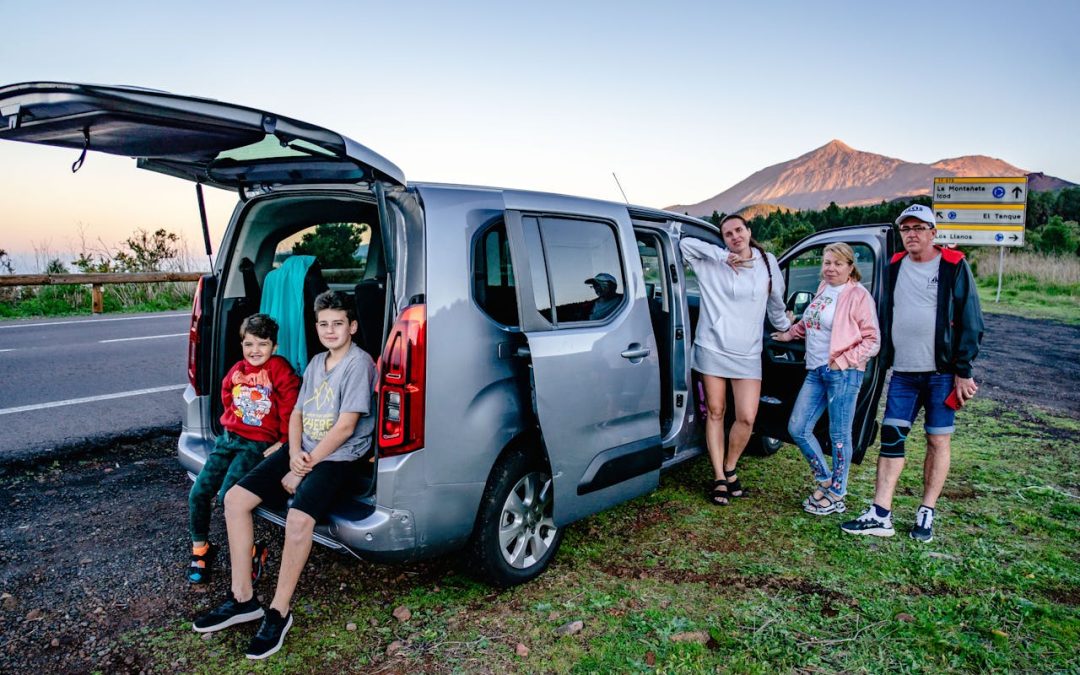
The best family vehicle for safety and reliability is one that scores high in crash tests, offers strong build quality, and shows low rates of breakdowns over time. To name a few, the Toyota Highlander, Honda CR-V, and Subaru Outback consistently receive top reviews from reliable groups for safety and reliability. Most families desire cars with advanced safety aids, spacious cabins, and convenient child-seat installations. Others worry about how long the car can last with low repair fees. To select the right vehicle, it helps to consider actual crash statistics, peruse owners’ comments, and examine the warranty coverage. Next in the post are highlight picks and what makes them a smart choice for families.
Key Takeaways
- Best family vehicle for safety and reliability, rain, snow, fog, ice, collisions, and more.
- Consider active safety features like automatic emergency braking, adaptive cruise control, and lane departure warnings. These systems can greatly mitigate the risk of an accident.
- Think about the day-to-day functionality of a car. Easy access, versatile storage areas, and simple controls are important for a family that will be driving it.
- Check out independent reliability ratings, repair costs, and warranty coverage to help you make a decision that balances safety, durability, and cost-effectiveness.
- Considering the effect of new technology, select vehicles with competent driver assistance and infotainment systems that add safety and entertainment without distraction.
- Definitely do your own test drives, your own car seat install checks, and yes, double-check your budget to ensure it is the best vehicle for your family’s specific needs.
The Core Of Family Vehicle Safety
Family vehicle safety is more than just picking a reliable family vehicle with good brakes or airbags. It encompasses a wide range of features and design choices that guard everyone in the car, especially when it comes to family SUVs. The focus is on keeping families safe on the road and providing peace of mind for everyday drives and long trips. When choosing the best vehicle for safety and reliability, it helps to break down the assessment into several key areas.
- Crashworthiness: Check how well the vehicle handles impacts in real-world crashes, not just laboratory scenarios.
- Active Safety Systems: Look for tools that help drivers avoid accidents in the first place.
- Child Safety: Make sure the car matches the special needs of young passengers.
- Visibility: Pick models that help drivers see better and avoid hidden dangers.
- Everyday Usability: Think about how the car fits into family routines and daily needs.
1. Crashworthiness
Crash test ratings are an essential piece of knowing if a vehicle keeps everyone inside safe, especially when considering a reliable family vehicle. High ratings in testing organizations such as the IIHS or Euro NCAP indicate that a vehicle is designed to resist collision damage, making it a top choice for families. The IIHS Top Safety Pick Plus badge is an excellent indication of crash strength, as winners have to do well in both front and side collisions. For instance, the Volvo XC90 and Toyota RAV4 typically score well in this area, showcasing their status as reliable cars. Advanced materials such as high-strength steel and aluminum are now commonplace, helping absorb crash forces and reduce injury potential.
2. Active Systems
New cars, such as reliable family vehicles, are equipped with a suite of extrinsic driver-assistance systems. These advanced driver assistance systems can actually prevent accidents. Adaptive cruise control, which automatically keeps a safe distance between cars, and lane-keeping aids help maintain proper positioning. Blind-spot monitoring and rear cross-traffic alerts warn you about hidden dangers. Emergency braking can react faster than a human, especially when you’re navigating city driving. For example, the Honda CR-V and Subaru Outback use these systems effectively.
3. Child Safety
A reliable family vehicle should be compatible with all variations of child seats, from infant carriers to booster seats. Look for accessible, user-friendly LATCH points. Some, like the Honda Odyssey, include child-specific touches, such as rear-seat reminders and integrated sunshades. Additionally, rear-seat entertainment systems help keep kids busy on long drives, while child locks on doors and windows provide an extra layer of family safety.
4. Clear View
Big windows and thin roof pillars give drivers more road to look at, enhancing the experience of driving a reliable family vehicle. Well-designed headlights, LED or adaptive, make night driving safer, while rearview cameras and parking sensors remove the uncertainty of close quarters. Heated mirrors and rain-sensing wipers keep your views clear when the weather turns, making options like the Mazda CX-5 and Hyundai Santa Fe ideal choices for families.
5. Everyday Usability
Entry and exit should be easy for young and old, making a reliable family vehicle essential. Sliding doors or a low floor assist kids and seniors, while a versatile cargo space is important for strollers or groceries. Snack or toy storage keeps the cabin neat, and controls need to be intuitive and easy, even for teen drivers. As for the heart of family vehicle safety, cars such as the Kia Carnival and Volkswagen Tiguan mix these characteristics with dependable security and advanced driver assistance systems.
Decoding Reliability Metrics
Reliability metrics assist families in selecting a secure, durable automobile. These metrics, such as crash rates and safety scores, provide a comprehensive picture of a vehicle’s lasting quality and security. No number tells the whole story. Genuine understanding comes from analyzing ratings, prices, and reviews together. To back those decisions clearly, the table below provides a peek at ownership costs, reliability ratings, and safety comparisons of popular family rides.
|
Make/Model |
Crash Rate |
Safety Score |
Reliability Rating |
Avg. 5-Year Cost (EUR) |
Warranty (Years/km) |
|
Toyota RAV4 |
Low |
8.8/10 |
4.5/5 |
20,000 |
5/100,000 |
|
Honda CR-V |
Low |
8.6/10 |
4.4/5 |
19,500 |
5/100,000 |
|
Kia Sorento |
Moderate |
8.3/10 |
4.2/5 |
21,000 |
7/150,000 |
|
Volvo XC60 |
Low |
9.2/10 |
4.3/5 |
30,000 |
5 for every 100,000 |
|
Ford Explorer |
Average |
8.1/10 |
4.0/5 |
23,000 |
3/60,000 |
Independent Reports
These independent reviews allow families to gauge which cars are safe and reliable family vehicles. These reports examine crash statistics, safety features, and how reliable cars withstand everyday use. J.D. Power and Euro NCAP provide impartial reliability ratings, helping families identify the best family SUVs. Analyzing consumer feedback alongside professional reviews offers a clearer picture of what to expect.
Ownership Costs
The real cost of ownership extends beyond just the sticker price, encompassing fuel, service, and insurance for a reliable family vehicle. While SUVs may have higher running costs than sedans, hybrids and electric vehicles can help trim fuel and tax bills. Insurance rates fluctuate based on vehicle type and crash rating, making it essential for families to consider reliable cars that hold up well, ensuring they balance these factors before making a purchase.
Powertrain Durability
Sturdiness counts when choosing a reliable family vehicle. Certain brands, like Toyota and Honda, provide engines and gearboxes that can last beyond 200,000 km. The length of the warranty, 5 years or 150,000 km, demonstrates the maker’s confidence in their reliable cars. A track record means fewer repairs, leading to high mileage ratings that result in less time in the shop and more peace of mind for busy families.
Technology’s Dual Role
Today’s reliable family vehicles leverage technology not only to keep travel safer but also to make it a bit more comfortable and fun. The very systems that alert to danger now provide entertainment with games and movies to distract children. This double-edgedness implies both danger and opportunity. When that balance is just right, tech helps families feel safe and relaxed in their family SUV. Too much can overwhelm or distract, so finding the right blend is essential.
Helpful Assists
- Forward collision warning reduces crash risk by alerting drivers to decelerated traffic in front.
- Lane keep assist nudges the steering back if you start to drift.
- Blind spot monitoring illuminates when another car pulls up alongside you.
- Adaptive cruise control maintains a fixed speed and distance, simplifying lengthy journeys.
- Automatic emergency braking can halt the car if a crash appears imminent.
Parking in congested cities can be stressful, but with advanced driver assistance systems, the car can drive itself into a space. This not only saves time but also reduces the risk of fender benders, making it a key feature in reliable family vehicles. A few models, such as the Toyota Sienna and Volvo XC90, come with it as standard.
Technology’s double-edged sword. Real-time traffic updates, present in vehicles like the Honda Odyssey and Kia Carnival, are great for helping drivers avoid jams and get there fast. This spares families time and makes excursions less exhausting.
Emergency response systems, like OnStar or eCall in Europe, can summon assistance post-crash. This could be life-saving, particularly in areas with bad cell coverage.
Potential Distractions
Big touchscreens are feature-stuffed. Swapping menus behind the wheel can divert eyes from the road. Some infotainment systems, such as early Tesla Model S or Mercedes-Benz MBUX, were complicated and required time to learn.
Voice commands and steering wheel buttons do assist. When easy, these controls allow drivers to manage music, calls, or maps without glancing away. Ford’s SYNC or BMW’s iDrive, for example, provide rapid and hands-free changes.
Smartphone links like Apple CarPlay or Android Auto are standard. Even if they’re pulling their favorite apps into the car, too many alerts or messages can pull attention from traffic.
Parental controls, such as GM’s Teen Driver or Hyundai’s Driver Attention Warning, enable grown-ups to impose speed restrictions, silence the stereo for little travelers, or block access to specific apps. These environments foster concentration behind the wheel.

Practicality Beyond The Specs
Family cars, especially reliable family vehicles like the Subaru Crosstrek and Nissan Rogue, are about practicality beyond the spec sheet. What’s important is how each feature makes everyday life easier, with interior space and cargo configuration defining the true value for families.
Interior Space
Legroom and headroom are essential for comfort, not only for adults but for burgeoning teens. A reliable family vehicle like the CR-V offers over 1,026 mm of rear legroom, which goes a long way on long commutes and trips. Few minivans, such as the Toyota Sienna, provide more than 1,100 mm of this and make good rides for taller passengers. For larger families or when friends come along, third-row seating is a necessity. While many crossovers today include this feature, real space typically comes from minivans and full-size SUVs.
Cargo space is important for strollers, groceries, and sports gear. A flat-folding seat design, such as that found in the Kia Sorento and other SUVs, allows you to transition quickly from passenger to cargo mode. The fact that these seats fold flat, in some cases with just a single pull, is a godsend in terms of time and hassle. Not all third-row seats are created equal. Some can fold easier than others, so look for manual versus power-folding.
Material Quality
Upholstery quality transforms the durability of a car, making it “new.” Leatherette and high-wear fabrics, similar to those in the Volkswagen Tiguan, repel stains and can be wiped clean. Hardy trim and soft-touch plastics stand up to rough hands or shifting bags over time. Sound insulation, like laminated glass or additional door seals, makes rides quieter and keeps kids settled on highways.
Some family cars even have easy-clean mats and seat backs that repel goo. The best practical designs conceal seams and cracks that collect crumbs. This keeps the cabin neat, a bonus for families with little ones.
Access And Entry
Vehicle height is a genuine pain point, particularly for kids and the elderly. Crossovers with modest ground clearance, no more than 200 mm, assist here. Power liftgates and sliding doors, like those on the Chrysler Pacifica, allow you to load with one hand or from a distance.
Wide door openings allow you to wheeze bulky car seats or bags in and out with ease. Child safety locks up high and solid handles by every door provide comfort, particularly for parents looking to make a speedy and secure escape.
The Long-Term Commitment
Selecting a reliable family vehicle involves more than just the upfront price, but it’s a decision that affects your days, years, budget, and sanity. Families must consider safety and reliability scores, along with the long-term maintenance and warranty of the car. Additionally, reviewing insurance information ensures that the chosen family SUV or sedan meets your needs over time, making it a smart investment for your family’s future.
Maintenance Impact
Regular maintenance is crucial to keeping a reliable family vehicle safe and dependable. By adhering to your maker’s recommended service schedule, including oil changes, brake checks, and tire rotations, you can prevent significant problems before they even arise. For instance, many families opt for brands like Toyota and Honda due to their famously transparent low-cost maintenance schedules. Luxury brands often require more expensive maintenance and exclusive components, making them less appealing for family use.
The convenience of service centers and spare parts also plays a significant role. If you choose a popular family SUV like the CR-V or Toyota RAV4, you can expect easy access to repairs in almost any city. In contrast, less-common cars may not have as many shops available for repairs or parts on hand, leading to longer waits and potentially higher bills.
Looking up the cost of common repairs, such as brakes, batteries, or spark plugs, can assist in preparing for future expenses. Over time, these costs accumulate. For families who want fewer surprises, they should pick cars with good reliability records. This decreases the likelihood of unexpected failures, which enhances both security and financial wellness.
Warranty Significance
The majority of manufacturers provide a standard warranty of three to five years or 60,000 to 100,000 kilometers, whichever occurs first. Powertrain warranties, which generally cover engines and transmissions, tend to have a longer lifespan, especially in reliable family vehicles like the Kia and Hyundai, which offer some of the longest coverage. This could be appealing for budget-conscious families seeking a reliable car.
You can add extended warranties for additional peace of mind, especially for those purchasing a family SUV, as they include repairs beyond the standard warranty period, albeit at an additional price. Some families find this worthwhile if they’re planning to keep the car long-term.
A transferable warranty can increase your vehicle’s value should you decide to sell it. This is particularly convenient for upgraders as family needs shift, making it easier to transition to a new Nissan or another reliable vehicle.
Insurance Premiums
| Vehicle Model | Safety Rating (Euro NCAP) | Avg. Annual Premium (USD) | Vehicle Type |
| Toyota RAV4 | 5 Stars | $900 | SUV |
| Honda Odyssey | 5 Stars | $1,050 | Minivan |
| Ford Explorer | 5 Stars | $1,200 | SUV |
| Volkswagen Golf | 5 Stars | $950 | Hatchback |
Cars with good safety scores frequently receive insurance reductions. Lane assist, automatic braking, and strong crash-test results all help reduce premiums. Bundling car insurance with home or renters insurance can reduce costs, which is a benefit for expanding families.
Family vehicles like minivans and midsize SUVs tend to have reasonable insurance premiums. Even sports or luxury models are significantly more expensive to insure. Choosing a model for its safety and low claims experience can manage your family’s long-term costs.
Your Pre-Purchase Checklist
Selecting a secure, dependable family vehicle is more than just skin-deep. You require a checklist. Prioritize comfort, crash-test scores, and reliability of reliable family cars, along with expenses and how well the car suits your family’s needs, both present and future.
The Test Drive
Line up test drives on three or more models. This allows you to compare performance, handling, and ride comfort. Take the whole family along if you can, as various heights and builds usually detect unique challenges with support.
On the drive, test sight lines from every seat. Make a note of any blind spots and the convenience of adjusting mirrors. Take both urban and highway paths to experience how the car maneuvers curves and sudden brakes. Try features such as lane-keeping assist and adaptive cruise control. Test the infotainment system, voice controls, and navigation. Do they distract you, or are they easy?
Check seat comfort and legroom per row. Fold seats, slide them back and forth, and see how much cargo you can fit with seats up or down. If you take regular long trips, comfort and support should be a priority for all passengers.
The Car Seat Test
Bring your car seats to the dealer. Try to install them in each seat you intend to use. Certain cars boast three-row seating but neglect to make it easy to accommodate or install car seats.
Search for LATCH anchors and test their accessibility. Others hide them deep in the seat, making installation challenging. Once installed, see if there is room for bigger kids or grown-ups in the back seats. Be mindful of rear-seat access if you are hauling kids in and out frequently.
The Budget Review
Calculate the total expense, which includes price, insurance, fuel, and annual maintenance costs. Check out warranty coverage and inquire about prepaid service plans. If financing, shop for interest rates. Find out whether the dealer or your local shops perform certified repairs so you don’t have to travel for routine maintenance.
Consider long-term reliability ratings and ownership reviews from reputable sources. Fuel-efficient models and those with a reputation for low maintenance can save you money throughout the years of ownership. Think about how your needs could evolve, such as more road trips or a growing family, and if the vehicle can evolve with them.
Conclusion
To choose the safest, most reliable family ride, think about obvious crash test scores and proven track records, along with straightforward tech that assists rather than distracts. Look for features like seat mounts, easy-to-reach controls, and the car’s overall handling of day-to-day use. Forget about the price tag and think about how much the car costs to maintain. Talk to your friends, check out reliable reviews, and don’t rush the wheel before you buy. Many families swear by models that stand the test of time, like the Toyota RAV4 or Honda CR-V. Post your own tips or questions below to assist someone else in discovering a car that suits their family and keeps them safe!
Frequently Asked Questions
1. What Safety Features Should I Look For In A Family Vehicle?
Watch for advanced safety equipment such as automatic emergency braking and lane-keeping assist, as well as robust crash test scores from the IIHS rankings for reliable family vehicles.
2. How Do I Know If A Car Is Reliable?
Look at reliability ratings from independent sources, like consumer review organizations. Consider brands that are known for their longevity and infrequent repairs.
3. Are SUVs Safer Than Sedans For Families?
SUVs, known for being reliable family vehicles, are usually more visible and safer in accidents. Sedans can also be safe cars if equipped with advanced driver assistance systems and a high safety rating.
4. Does New Technology Make Vehicles Safer?
Sure, a lot of new tech, like adaptive cruise control and collision warning, enhances the safety score of reliable family vehicles, aiding in accident prevention and driver awareness.
5. What Should Be On My Checklist Before Buying A Family Vehicle?
When searching for a reliable family vehicle, it’s essential to consider safety ratings, reliability reports, maintenance history, and ensure it fits your family’s needs for space, comfort, and features.
Keep Your Family’s Vehicle Safe, Reliable, and Road-Trip Ready With autoTECH Blackhawk.
Your family vehicle does a lot. School drop-offs, weekend sports, grocery runs, road trips. It needs to be dependable every single day. At autoTECH Blackhawk, we focus on keeping your family’s car, SUV, or crossover running smoothly so you can drive with confidence.
Our technicians understand how important safety, comfort, and reliability are for busy households. Whether your vehicle needs preventative maintenance, brake service, suspension repairs, or diagnostics, we tailor every service to the specific needs of your model and your driving habits. The goal is simple. Fewer surprises, better performance, and a smoother ride for everyone on board.
At autoTECH Blackhawk, quality work and long-term protection come standard. We back related repairs with our 3-year, 36,000-mile warranty and use high-quality, manufacturer-approved parts to protect your investment. From keeping your engine running efficiently to making sure your tires, brakes, and steering systems are in top shape, we help your family vehicle stay safe and dependable.
Ready to make sure your family’s vehicle is prepared for whatever the week brings? Contact our team to schedule a service appointment and see why so many local drivers trust autoTECH Blackhawk for honest care and reliable results.