
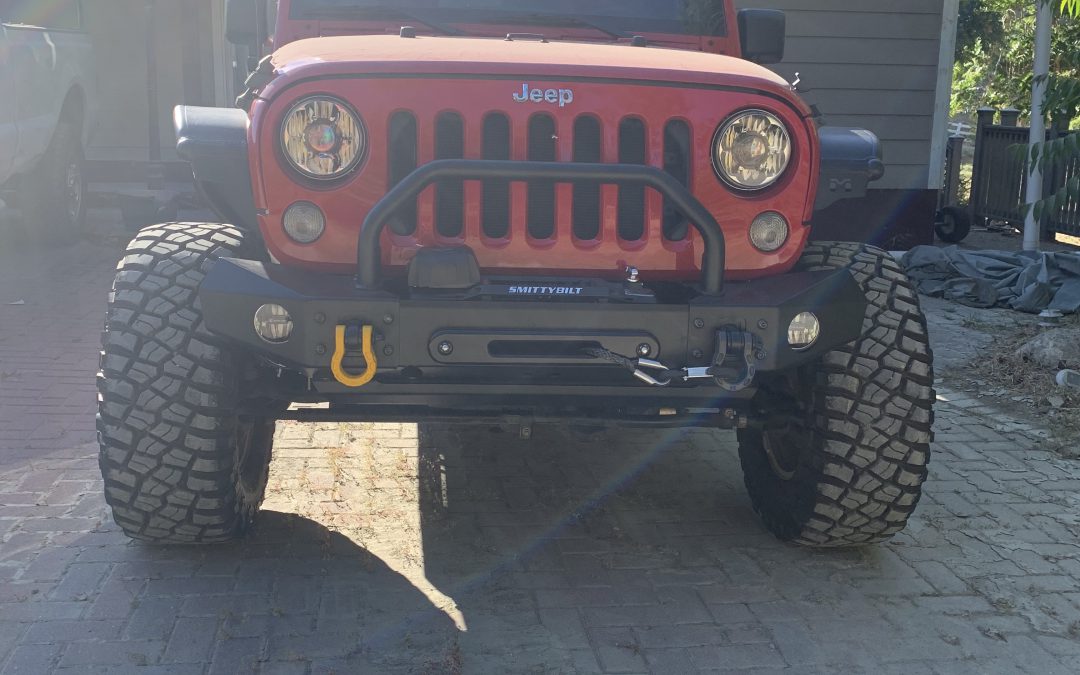
Diy vs professional off-road build: pros and cons cover the main differences between building your own off-road vehicle and paying for expert help. Diy builds allow individuals to apply hands-on skills, select every component, and economize, but usually require additional time, patience, and troubleshooting. Working with pros provides access to expertise, quality components, and proven configurations, but costs more and results in less control over the build. Each path presents a distinct combination of selection, cost, expertise, and confidence. To choose between the two, folks need to consider their objectives, ability, and funds. The following sections dissect the pros and cons of both diy and professional off-road builds, with cold hard facts to inform intelligent decisions.
Key Takeaways
- Choosing between a DIY and professional off-road build involves a careful evaluation of financial, technical, and personal factors. This includes upfront costs, long-term savings, and potential risks associated with each approach.
- DIY builds offer you more creative freedom. You need to develop skills, acquire the right tools, and have a dedicated workspace.
- Professional builders provide superior quality control, standards and warranties, which can deliver greater reliability, safety, legal compliance, and reassurance for intricate modifications.
- There are considerations of maintenance and resale value between DIY and professionally modified vehicles, as a professional build will typically provide better long-term reliability, stronger warranty coverage, and a higher market perception.
- Hybrids – professional bases, DIY flourishes – can stretch budgets, help you refine your style and skills, and keep your rig current.
- Readers should consider their own technical abilities, resources, time availability, and goals when determining which approach best suits their needs. They should prioritize safety, compliance, and long-term satisfaction.
The Core Dilemma: DIY vs Pro
When it comes to an off-road build, the choice between DIY or professional is a matter of safety, budget, time, and integration. There are trade-offs and rewards on both sides.
Financial Reality
|
Factor |
DIY Build (USD) |
Professional Build (USD) |
|
Upfront Parts |
3,000–7,000 |
4,500–15,000 |
|
Labor |
0 |
2,000–10,000 |
|
Tools |
500–2,000 |
0 |
|
Long-Term Maintenance |
Lower |
Higher |
|
Mistake/Redo Costs |
200–1,500 |
0 (usually covered) |
|
Financing Options |
Limited |
Flexible, often offered |
DIY builders save by procuring parts and doing labor themselves, often saving thousands. Mistakes can incur hidden costs, especially if expert fixes are required. Pros are more expensive up-front, but their work is usually guaranteed and the risk of expensive mistakes is lower. Financing is easier to come by with pros, which assists the cash-strapped.
Creative Freedom
A DIY build offers complete control over every nuance, including paint, lighting, gear ratios, and interior layouts. Users can customize it to the max. This kind of customization is rare with pro shops, which tend to sell in packages or with limited options. The liberty of inventing as you go is a big allure for many. There’s nothing like the joy of a one-of-a-kind build, which no off-the-shelf option can provide.
The Experience
Building a 4X4 from the ground up is a plunge into engineering and custom fabrication. The learning curve is precipitous but satisfying, stretching the lessons over months. What you learn is practical and transferable.
It feels like happiness and accomplishment to complete something by hand. For others, this outweighs the ease of outsourcing.
Pros provide peace of mind if you don’t have the time, tools, or know-how. For novices, their experience can translate into safer and more dependable outcomes.
Quality Control
DIYers select their own materials and manage every stage, which could translate to more care. Inexperience could jeopardize the build’s sturdiness.
Professional shops utilize tested components and tried-and-true practices. Their work is often supported by guarantees, providing comfort that is difficult to replicate.
Project Timeline
DIY’s span weekends and evenings, sometimes for months. Sourcing parts and self-learning skills create even more delays. Pros complete the majority of builds within weeks, aided by optimized workflows and expertise.
Navigating Technical Challenges
Constructing an off-road vehicle, be it DIY or professional, offers its own technical challenges. These are the three main areas that define the end result: parts sourcing, tool requirements, and new systems integration. Both have their own set of challenges and require careful consideration to avoid expensive errors.
Parts Sourcing
It takes a lot of time and effort to find the right aftermarket parts for a do-it-yourself build. Not all parts go with every car and sometimes what appears to be a good match online won’t fit. The danger of purchasing parts that don’t live up to the specs or are of inferior quality is great. Consultants often have preferred parts vendors and can obtain quality components more quickly. They know what brands are built to last. Ordering parts on your own could result in delays in shipping or customs for specialty items or items shipped from abroad. A missed delivery or a bad part will set you back by weeks.
Tool Requirements
The key to any DIY off-road build is access to the right tools. Without the right tools, you’ll get terrible results and be unsafe.
- Torque wrenches
- Hydraulic jack
- Socket and spanner sets (metric)
- Angle grinder
- Power drill
- Welding kit
- Diagnostic scanner
A complete workshop setup is a significant investment, and scrimping with less expensive tools tends to result in errors or worse, accidents. Good tools accelerate productivity, but most importantly, they help prevent harm to costly components. If you don’t already own these, renting or buying can add to the total cost and therefore makes DIY less practical for the budget-conscious.
Integration Issues
When installing new systems like lifts, suspension upgrades, or electronics, DIY builders tend to hit snags in interfacing old and new parts. Many cars are complicated, and without an intimate familiarity with every wire, sensor, or piece of software, it’s plausible that your device might not be compatible. Errors at this phase can impact vehicle safety or performance. The pros use their experience to identify and resolve integration issues before they have a chance to cause problems down the line. Knowing how each system works individually and as part of the overall build is crucial for a working off-road vehicle.
Safety and Legal Hurdles
Safety and legal hurdles – off road vehicle builds require a lot of care on this front as well. If you’re building it yourself or leaving it up to a pro, both have their own barriers in achieving these important needs.
Structural Integrity
Don’t forget about the frame of a souped-up vehicle. Every weld, bracket, and connection needs to withstand the rigors of impossible terrain, massive loads, and unforeseen situations. A DIY builder requires a solid background in mechanics and fabrication to build something safe. For example, reinforcing the chassis or tweaking suspension systems without understanding can create stress concentrations that could snap. Improperly executed builds can lead to frame cracking or loose mounts, risking occupants and bystanders.
Experienced builders typically conduct extensive evaluations employing advanced equipment and guidelines. They examine welds, select materials appropriate for high strain, and use proven engineering methods. Such detail mitigates the margin of failure. Many shops provide post-build inspections to identify problems early. DIY builders don’t have access to these resources, making going professional a strong selling point for those who put safety first.
Road Compliance
As far as safety and legal hurdles go, local and national laws usually demand permits and make it mandatory to have very specific weight limits and equipment guidelines on modifications, especially when heavy equipment is being used. Safety inspections determine if vehicles fit these requirements before being permitted on public roadways. Professional builders are used to working within regulatory frameworks. They can make sure that builds pass legal requirements and do not get fined or shut down.
DIYers can have a hard time deciphering complicated regulations or can miss essential compliance measures. Non-compliant mods could lead to inspection failures, large fines or even impoundment. Safety and legal hurdles resale value is at risk. It’s tougher to resell vehicles that aren’t up to code, particularly when crossing borders.
Liability Concerns
Liability is a legitimate issue with off-road mods. It’s up to the DIY builders themselves to ensure their cars are safe and legal. If a DIY build goes down in flames, the builder can be sued and can get hit with insurance claims. Insurance for heavily modified vehicles can be hard to come by and some policies might refuse to cover unapproved DIY work.
Professionally built homes have more safety, backed by warranties and contracts. These do not just cover defects; they give your customers a transparent path to resolution if things go wrong. Customer support is yet another advantage, providing comfort and personal help when problems arise. If they fail, it is the builder who is liable, not the owner (assuming they did their tinkering by the book).
Your Personal Investment
Choosing between a DIY or professional off-road build is about more than budget. It asks for a clear look at your own skills, time, and resources. This section helps you weigh what you need to put in and what you get out when building or buying a custom 4×4.
Required Skills
DIY builds require a solid understanding of ride vehicle mechanics, from suspension geometry to fundamental wiring and fabrication. If you haven’t worked with tools or on an engine before, it’s a big learning curve. Previous practical experience, such as fiddling with bike breakdowns or small mowers, typically allows you to detect problems and work more securely. For others, the build itself is a vehicle for skill development. You discover how axles work, why welds matter, and what makes a lift kit stable. Certain tasks such as custom welding or high-level wiring might require a professional. Hiring expert assistance on these can ensure your build remains secure and robust.
Time Commitment
Constructing a 4×4 from the ground up is incredibly time consuming. If you work on it only on weekends or evenings, some DIY projects can take many months, even years. Life will slow you down. Work, family, or parts delays all eat into your schedule. Unexpected issues, such as rust or inaccessible components, make schedules even tougher to maintain. Pro shops complete the majority of builds quickly, sometimes in a matter of weeks, which is a major benefit if you want the rig ready sooner.
Workspace Needs
A home build requires a secure, spacious place. At the very least, you require space where you can get around the vehicle, have access to parts and manipulate tools. Imagine a neat garage or covered carport. Even a disorganized, cluttered or cramped workspace will bog down your efforts and result in errors or accidents. Well-lighted, well-arranged work places keep you productive and protected. For most, a small home garage implies perpetual shifting and tidying, which only causes additional aggravation and postponement. Professional shops have lifts, special tools, and tons of space, so work is smarter, safer and usually higher quality.
Life After The Build
Building or purchasing a tricked-out off-roader is merely the beginning. What comes next is years of maintenance, usage, and for some, resale. Life after the build can define your happiness, expenses, and sometimes even your next quest.
Maintenance
- DIY maintenance to-do list * Check suspension bolts and mounts monthly to stave off wear.
- Inspect and retorque all fasteners following each off-road excursion.
- Check any custom wiring for shorts or corrosion.
- Oil drivetrain pivots periodically.
- Substitute homemade or hacked parts if they become fatigued.
DIY owners have to be vigilant for new problems. Custom, even custom from enthusiasts, can miss the shine of a shop build. This implies repairs could pop up more frequently. Repairs tend to take longer, involve tools and occasionally spare dollars, particularly if a vital component blows a gasket several states from grandma’s house. They’re expensive, especially when you keep re-repairing them; the costs accumulate.
Maintenance is crucial in both constructs. It’s tempting to skip checks or delay fixes, but it causes bigger problems. For DIY builds, the risk of making mistakes is higher, so this is one place where the devil in the details really counts. Professional builds, with proven techniques and components, typically last longer and require fewer repairs.
|
Aspect |
DIY Builds |
Professional Builds |
|
Maintenance Frequency |
High/variable |
Low/consistent |
|
Cost Over Time |
Can rise with mistakes |
More predictable |
|
Ease of Finding Parts |
Sometimes hard, custom parts |
Easier, standard parts |
|
Reliability |
Depends on skill |
Generally high |
Warranty
- DIY builds rarely come with a warranty.
- Nearly every shop will warranty their labor and parts.
- Manufacturer warranties may be voided after DIY changes.
- DIY work can void current warranties on the car.
When it’s a DIY project, owners bear the risk. If it breaks, you pay and fix it, with no help desk to call. Shops typically warranty their builds, so if a component goes bad, they deal with it. This warranty, along with support, provides a lot of peace of mind to many owners. For DIY, some components could retain their manufacturer warranty, but only if fitted as indicated, with evidence.
Resale Value
- Craftsmanship, safety, and compliance drive resale value.
- Buyers pay more for builds that include detailed records and proof of work.
- DIY builds may be seen as risky, lowering value.
- Pro builds, with receipts and warranties, go for more.
Buyers tend to trust a shop-built 4X4 more. They know the work fits guidelines and was performed by competent techs. DIY builds can appear one of a kind. Buyers are concerned about safety or covert issues. While detailed records, photos, and specs can certainly assist a DIY flipper, most markets value shop-built vehicles more.
The Hybrid Build Path
The Hybrid Build Path for off-road vehicles combines expert craftsmanship with DIY labor, allowing builders to decide what work to do themselves and what to entrust to masters. This path is for those who want a custom build that finds an intermediate balance between reliability, cost, and creative input. It’s a versatile path that typically requires a hard schedule and some engineering expertise. A lot of us take this path to save on labor or because we don’t have the time or expertise to go full DIY. With the hybrid build path, users can concentrate on customizing the small things and leaving difficult work, like engine enhancements or suspension lifts, to the experts. It helps control costs, breaks the work into stages, and maintains project quality.
Professional Foundation
Certain foundational tasks in any off-road build require the experienced guided hand of a pro. These can often be structural jobs such as roll cage fabrication, chassis reinforcement, advanced electrical wiring or drivetrain swaps. When pros do them, they’re typically safer and more dependable. A hybrid build path, a professional base, leaves space for subsequent modifications, enabling plug-ins and enhancements without compromising the vehicle’s fundamental systems.
Work performed by a skilled technician or professional can be the foundation of a hybrid construction. Their talents reduce the possibility of catastrophic errors and may even increase persistent worth. A properly installed lift kit or differential lock, for instance, translates to fewer headaches when inserting those DIY mods down the road.
Receiving guidance from seasoned builders aids in identifying potential issues and planning the process more effectively. It spends less time and reduces expensive mistakes, clearing the way for future optimizations.
DIY Finishing
DIY finishing allows owners to leave their signature on the build, from repainting interiors to incorporating custom storage or lighting. With a pro-built foundation, even straightforward modifications such as new seat covers or modular cargo racks seem secure and fulfilling. It frees up the innovation room without jeopardizing essential operations.
It’s a delicate balance between quality and inventiveness. DIY work has to complement or at least not dilute the professional foundation. Tinkering with interior panels, roof racks, or small electronics requires attention.
Others are proud artisans who view each little enhancement as a learning step and a personal victory. This feeling of ownership is a primary appeal to the hybrid path.
Phased Upgrades
Spreading upgrades over time helps manage money and effort. It allows enthusiasts to begin with fundamentals, such as suspension, tires, or recovery equipment, then add additional components as budgets or requirements evolve. This staged approach prevents the project from stalling due to budget or time constraints.
Owners get to see how each new part functions, then adjust or replace as they learn more. It is simpler to update schedules, introduce new components, or correct errors prior to advancing to the following phase.
With these phased upgrades, users can schedule each step, learn along the way, and prevent being overwhelmed. This technique is useful for anyone who is resource-constrained.
Conclusion
To decide between a DIY or pro off-road build, seriously consider your skill, time and budget. There’s a lot you can learn if you DIY a rig and you have complete control over every aspect. A shop gets you the expert skill and stress relief, but at a higher price. Both routes instill pride, but both require you to really think through safety and regulations. Others blend the two, choosing what to construct and what to leave to a shop. That way you maintain a bit of control and still get pro assistance for the difficult bits. There is no one way that fits all, so consider carefully what matters most to you. Post your own build stories or plans below; we can all learn from your journey.
Frequently Asked Questions
What are the main benefits of a DIY off-road build?
A DIY build gives you cost control, customization, and new skills. It is satisfying and customizable. It is time-intensive and requires research and elbow grease.
Are professional off-road builds safer than DIY projects?
Professional builds generally adhere to more demanding safety and quality standards. The pros follow regulations and use certified parts, which minimizes the chance of mistakes and maximizes reliability.
How does cost compare between DIY and professional off-road builds?
DIY builds are typically cheaper up front. Those hidden costs of tools, errors, and time accumulate. Professional builds are more expensive, but they bring the advantage of experience and warranties.
What legal issues should I consider for off-road builds?
Verify local laws and regulations before building. Professionals frequently take care of legalities for you, whereas with DIY, you are responsible for ensuring you research and meet all standards.
Can I mix DIY and professional help in my off-road build?
Indeed, many opt for a hybrid. You can do the easy stuff and leave the complex and safety-critical work to the professionals. This strikes a balance between cost, quality, and safety.
What skills do I need for a DIY off-road build?
Fundamental mechanic savvy, knowhow on how vehicles work, and troubleshooting are essential. Research and a willingness to learn are your friends for a safe and effective build.
What should I expect after completing an off-road build?
Anticipate routine maintenance and checkups. DIY builds could require additional tuning down the line. Professional builds tend to provide greater durability and assistance.
Boost Your Luxury Car’s Performance with Expert Upgrades at autoTECH Blackhawk.
Give your luxury vehicle the attention it deserves with specialized performance upgrades from autoTECH Blackhawk. Our technicians know how to elevate high-end cars with precision work that enhances power, handling, and overall driving comfort. Whether you want sharper acceleration, smoother control, or a refined suspension setup, we tailor every upgrade to match the unique demands of your luxury model.
At autoTECH Blackhawk, luxury performance means more than speed. It’s about craftsmanship, protection, and long-term reliability. Every upgrade is supported by our 3-year and 36,000-mile warranty on related repairs. We use only top-quality, manufacturer-approved parts to ensure your vehicle performs at its best. From advanced exhaust and intake systems to ECU calibration and suspension refinement, we deliver upgrades that feel seamless and sophisticated on the road.
Ready to raise the bar for your luxury car? Reach out to our team to schedule your performance upgrade consultation and see why drivers trust autoTECH Blackhawk for exceptional quality and elevated driving experiences.