
Key Takeaways
- Advanced engineering, premium materials, and integrated technology come with their own maintenance challenges when it comes to luxury cars, demanding expert attention for continued excellence and durability.
- Common maintenance problems like electrical and air suspension failures, premature brake wear, oil leaks, and transmission hesitation can result in major repair bills if they’re not resolved quickly and with the proper expertise.
- Specialized service centers offer expert technicians, OEM parts, and advanced diagnostic tools necessary to keep your luxury car safe and performing at its best.
- Routine checkups and swift repairs are key to avoiding hidden maintenance traps, such as software conflicts, sensor failures, and fluid contamination, that might otherwise fly under the radar until costly problems emerge.
- Owners can sidestep expensive oversights by addressing dashboard warnings without delay, using only original parts, and keeping all software and system updates current to maintain vehicle reliability.
- A preventive maintenance regimen, with scheduled diagnostics and checks, is the best way to protect the value and integrity of luxury cars for drivers around the world.
Some of the common luxury car maintenance problems are air suspension faults, electronic system glitches, oil leaks, and worn brake pads. These problems frequently occur in models with intricate components or cutting-edge technology. Owners might observe dashboard warning lights, weird noises, or a loss of ride comfort. Brands that are loaded with features like adaptive headlights or automatic gearboxes can incur additional repair requirements as a result of having more moving parts. Regular checks will keep most problems small, but prices often increase with original parts and experienced technicians. Awareness of these typical trouble spots assists owners in anticipating maintenance and preventing bigger breakdowns. It will take your luxury car and break it down into these problems, provide symptoms to look out for, and provide actions to keep your car in pristine condition.
The Luxury Car Paradox
Luxury cars are symbols of achievement, yet their maintenance is a burden, even for affluent owners. Your luxury car is expensive, not just in sticker price. Your loan payments, insurance, gas, and maintenance could account for a good chunk of your monthly income. To them, the class divide between drivers and non-drivers is obvious, particularly in cities where access represents a direct connection to opportunity. Having access to a car can enrich life and provide access to new jobs and healthcare, but the financial burden can induce strain and cautious budgeting. Below, a table illustrates how luxury cars diverge from regular models when it comes to maintenance requirements, materials, and technology.
|
Aspect |
Luxury Cars |
Standard Cars |
|
Engineering |
Precision, complex, tight tolerances |
Basic engineering |
|
Materials |
Specialized (leather, carbon fiber, alloys) |
Common steel, fabric |
|
Technology |
Advanced, integrated digital systems |
Basic electronics |
|
Maintenance Needs |
Specialized service, frequent, costly |
Routine, less frequent |
|
Environmental Impact |
Sensitive to conditions, requires protection |
More robust, less sensitive |
Advanced Engineering
Luxury cars are crafted to rigorous engineering tolerances. Their engines, suspensions, and drivetrains incorporate precision fits and cutting-edge designs to maximize acceleration and cornering. This means even regular inspections require specialized equipment and expertise. Even simple oil changes or brake services can be pricier because of certified mechanics and proprietary parts. Premium components provide superior ride quality and can stave off catastrophic failures, but maintenance is unforgiving. The emphasis on impeccable performance reduces the likelihood that small things will break, but even minor repairs might require specialized attention, rendering ownership a tricky affair.
Specialized Materials
We expect luxury cars to come with soft leather, real wood, and light alloys. These enhance the longevity and performance of the car,r and they require specialized products and washing processes. For instance, fine leather seats will crack or fade if not cared for with appropriate products. Externally, paint finishes and carbon fiber trim will chip, particularly in unforgiving weather. Sun and humidity accelerate wear, so owners must be vigilant and utilize proper cleaners. Missing special care can lead to expensive fixes or premature wear.
Integrated Technology
Luxury cars are loaded with tech, including touch screens, driver aids, and wired controls to extravagance. It makes driving silky and enjoyable, but it adds complexity to maintenance. Even a tiny software glitch can impact how the car shifts, brakes, or steers. Updates are key; without them, new issues can pop up or safety features may not work right. Others require trips to the dealer, ramping up costs and suspending usage. Issues such as sluggish infotainment screens, malfunctioning sensors, or wonky sound systems are typical, and resolving them is seldom straightforward.
Common Luxury Car Maintenance Problems
Luxury vehicles are built with sophisticated engineering, advanced electronics, and components that require expert handling. Failing to follow proper maintenance schedules or delaying essential services can lead to problems that compromise performance, safety, and long-term dependability. The table below highlights common maintenance concerns, how they affect the vehicle, and recommended solutions.
|
Problem |
Implications |
Solutions |
|
Electrical Gremlins |
Safety risks, loss of features |
Diagnose with OEM tools, address promptly |
|
Air Suspension Woes |
Poor ride, handling issues |
Replace faulty parts, professional service |
|
Premature Brake Wear |
Reduced safety, costly repairs |
Regular inspection, use OEM parts |
|
Persistent Oil Leaks |
Engine damage, fire hazard |
Fix leaks, use approved fluids |
|
Transmission Hesitation |
Poor drivability, increased wear |
Fluid checks, specialist repair |
1. Electrical Gremlins
Luxury cars are jam-packed with bleeding-edge electronics, from adaptive drive assist systems to advanced infotainment. Malfunctioning sensors can activate warning lights or disable functions. Defective ADAS or lighting systems endanger your life. Electrical faults can be tricky to diagnose without specialized equipment and trained personnel. Regular inspections and timely fixes prevent system collapse. Using OEM parts and staying current on software updates reduces the risk of recurring problems.
2. Air Suspension Woes
Air suspension provides a plush ride. It introduces its own set of issues. Height losses, warning lights, or noisy compressors usually indicate a defect. Faulty air springs or sensors can result in bad handling, a bumpy ride, or loss of stability, particularly on rough roads. Delaying the repair can put additional tension on other suspension components and cost you even more. Frequent checkups and capable mechanics are required to maintain these systems at their peak.
3. Premature Brake Wear
High-performance brake pads on luxury cars wear out more quickly, particularly if OEM parts are swapped out for bargain replacements. Squealing or grinding sounds, spongy pedals, or ABS lights are common culprits. Avoiding these can lead to more damage, less safety, and voided warranties. Regular inspections, using manufacturer-specified fluids, and replacing worn parts early can help extend the lives of these brakes and keep your car safe.
4. Persistent Oil Leaks
Oil leaks typically originate from gaskets, seals, or worn engine components. Oil spots on the ground, burning smells, or low oil warnings are all indicators. Unchecked, leaks can destroy engines and ignite fires. Regular oil changes and the use of appropriate fluids contribute to identifying leaks at an early stage. Once leaks begin to appear, it’s best to have them repaired professionally to prevent expensive damage.
5. Transmission Hesitation
Transmission hesitation is slow or rough shifting. That typically means it is coming from low fluid, worn clutches, or faulty electronics. These issues damage acceleration and gas consumption. Fluid skips checks make it worse. Luxury cars require specialist service to ensure proper diagnosis and repair. The use of approved fluids is crucial to their long-term health.
Hidden Maintenance Traps
Luxury cars frequently seduce consumers with state-of-the-art tech and exceptional build quality. Most owners overlook lurking maintenance traps until it’s too late. Issues can remain hidden until they trigger thousands of dollars in repairs. Routine checkups and preventive maintenance are the answer to these costly problems, but they are usually neglected. Due to the price of specialized labor and complicated systems, repairs can escalate from $2,000 to over $5,000 per year. Certain repairs, such as timing chain repairs or coolant system repairs, can contribute even more.
Software Conflicts
Today’s luxury vehicles depend upon complex software to operate everything from the engine to safety measures. When software modules collide, problems can arise unexpectedly. These conflicts can interfere with key features like adaptive cruise control or lane-keeping assist, rendering driving less safe and less enjoyable. Maintenance traps lurking in the shadows. Updates are important, but not everyone has software up to date, resulting in sluggish system response or difficult-to-decipher warning lights. Addressing these issues often requires specific diagnostics and experienced technicians, with repairs sometimes costing $1,500 or more if modules must be replaced. Sometimes, only brand-certified service centers have the tools to sort out software bugs, and skipping updates can void warranties or cause lasting issues.
Sensor Failures
Luxury cars come equipped with sensors for traction, braking, air quality, and much more. When a sensor goes bad, it can be subtle or dramatic. For instance, a faulty tire pressure sensor can activate dashboard warnings, and a damaged ABS sensor can diminish braking efficiency. Safety systems rely on sensor data, which means if a sensor provides false readings, blind-spot detection or automatic emergency braking may not function properly. Proprietors should be on the lookout for alert lights, strange driving performance, or unexpected shudders of functionality. Hidden Maintenance Traps Quality replacement parts and factory service intervals reduce the chance of recurrence.
Fluid Contamination
Fluid contamination is a hidden issue that wreaks major damage over time. If coolant, oil, or transmission fluid picks up water, dirt, or metal fragments, engine parts can wear out faster. Hidden maintenance traps exist because contaminated fluids can cause overheating, bad fuel economy, or noisy operation. For instance, certain luxury models experience oil consumption as a result of piston ring wear, and repairs can cost as much as $6,000. Routine inspections and scheduled fluid changes are key. Typical culprits are failed seals, inferior-grade fluids, or overlooked or overdue servicing. A small investment in quality fluids and timely service can avoid most contamination issues.
Why Specialized Service Matters
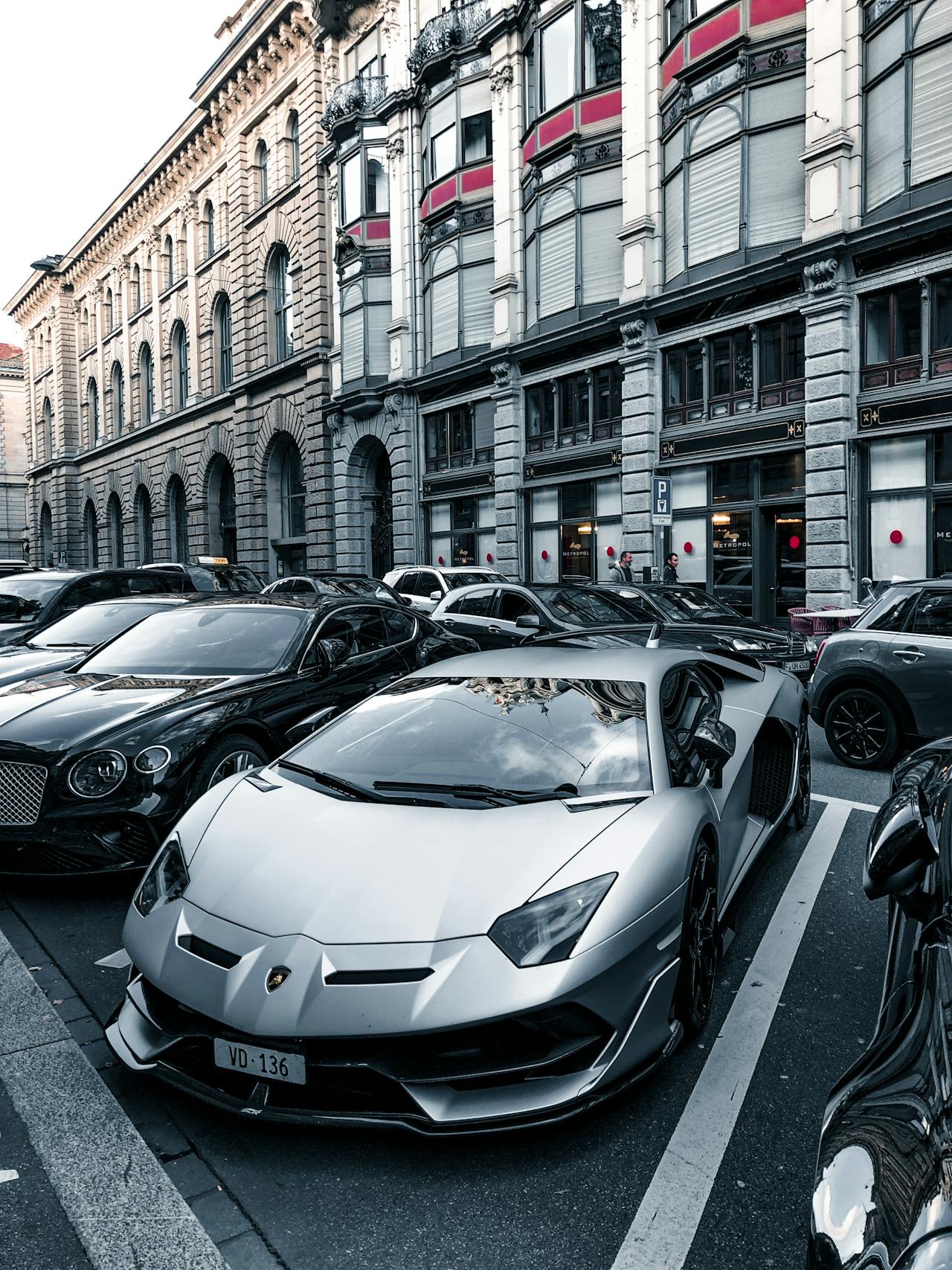
Sports cars are engineered with intricate technology and premium components. These components require dedicated attention to maintain the vehicle’s safety and performance. A minor issue, if left unresolved, can become a major issue down the road. For instance, a missed leak or a worn belt could cause your transmission to fail. That’s a repair that can get expensive. Routine inspections and servicing by trained professionals can identify and address these problems before they become severe.
- Keeps the car running smoothly and safely
- Protects the car’s value and warranty
- Uses the right tools and parts for each job
- Stops small problems from growing into big, costly ones
- Matches the maker’s standards for performance and safety
Specialized service is important because expert technicians know how to work on luxury cars. They train for it. These vehicles come with features such as high-end sensors, driving assists, and hard braking abilities. Just as each brand, BMW, Mercedes-Benz, or Lexus, approaches things differently. That implies that general shops can overlook steps or employ an incorrect procedure. Specialists adhere to the manufacturer’s service intervals, such as Service A and Service B, helping your vehicle last longer. They know how to manage new tech, such as lidar or smart ECUs, which require specific tests and updates to remain secure.
Here’s why specialized service matters. These are components from the automobile’s own manufacturer. They fit right, work right, and keep the car as safe as when it rolled off the factory floor. Less expensive off-brand components may not endure or could potentially void the vehicle’s warranty. For high-end performance vehicles, this is a risk you cannot afford to take.
Specialized service counts. A lot of luxury cars utilize special welds, glues, and even MIL-scale guides for repairs. It takes a specialized shop with the proper equipment to perform the job in a way that fits the maker’s design. This keeps the car’s frame strong, its systems tuned, and its safety features working. If the fix is wrong, it can damage how the car drives and prevent it from shielding occupants.
Costly Owner Oversights
Here are some expensive owner oversights. These oversights are the kind that are troublesome to repair and costly. Knowing what to look for and acting quickly can save you both money and stress.
Ignoring Warnings
Most luxury cars have fancy dashboards littered with warning lights for engine, oil, transmission, and electrical issues. Other drivers dismiss these lights, wishing the problem away. This can backfire. For instance, ignoring a timing chain or tensioner issue can lead to severe engine damage, with repairs ranging from $2,500 to $4,500 or more in cost. Ignoring an oil pressure or temperature warning could mean blown gaskets or a seized motor. Periodic diagnostics catch issues sooner, particularly for entertainment or climate systems, which can cost $1,500 to fix.
Reasonable Lights to Monitor: Check engine, oil pressure, and coolant temperature, all of which signify problems that can snowball.
Using Incorrect Parts
Some owners attempt to penny-pinch by repairing with non-OEM parts. Although common parts may be acceptable for rudimentary work on regular vehicles, luxury cars frequently require components constructed to strict specifications. The wrong kind of engine mount, for example, can introduce additional vibration and wear. Replacement costs range from $600 to $2,500. Suspension components such as control arm bushings and shock absorbers are tuned for ride comfort and traction. Using cheap parts can result in the car handling poorly or wearing tires unevenly. As we’ve learned, inferior components can cost more in the long run, as tiny glitches grow into larger, more costly breakdowns.
Skipping Updates
Contemporary high-end automobiles depend on software to function and provide performance, safety, and comfort features. Failing to undertake software or system updates can cause glitches in keyless entry, transmission control, and even engine management. Old firmware can result in sluggish performance, inefficient fuel consumption, or compromise safety features. Routine visits to authorized centers keep all systems updated. This ensures that components such as adaptive cruise control, climate control, and infotainment function as designed. Maintaining software currency is as important for these high-tech vehicles as oil changes or brake pads.
A Proactive Maintenance Approach
A proactive maintenance approach entails establishing a schedule to identify and address minor issues prior to them morphing into major and expensive repairs. For luxury cars, this isn’t just smart—it is necessary. These cars have high-end components and tech, and even minor lapses in maintenance can result in massive bills down the road. By staying on top of checks, drivers keep their cars running smoothly, safely, and at peak value. Missing or skipping checks void warranties, cost more to fix, and cut the life of the car short.
- Follow a fixed schedule according to the maker’s manual. Note the service dates for oil and filter changes, brake checks, and battery tests. Every month, examine tyre tread and pressure, watch for leaks, and listen for unusual engine or brake noises. This catches wear early and keeps the ride safe and smooth.
- This refers to seasonal maintenance. Before the hotter months, have the air-conditioning system serviced. When colder weather approaches, switch to winter tires and check fluids that may freeze. These steps help ensure your vehicle stays ready for any road or weather conditions.
- Track tech and software. Keep car software, maps, and service reminders from the maker. New luxury cars rely on software for safety and comfort. Old software can make features break or act sluggishly.
- Beyond 80,000 km (50,000 miles), look closer at stuff like the transmission, suspension, and all electronics. Try out the car’s shifting, hear if it rattles, and test for warning lights. These inspections reduce the chance of unexpected emergencies and repairs.
- Document any repairs and inspections. This demonstrates care for warranty and aids in detecting trends in minor problems. It pays dividends when you go to sell the car.
Keeping up with regular checkups and the maker’s notes helps your car last longer, retain value, and operate optimally. An easy checklist and a straightforward peek at the car every month provide significant benefits. By being on top of what changes and what needs to be done, owners can appreciate luxury with less concern and less expense.
Conclusion
Luxury cars look sharp and drive smoothly. They require savvy maintenance. Luxury models tend to reveal more brake, sensor, and tech-related wear. Owners are in for staggering bills if they skip checks or let small stuff accumulate. Shops with real expertise for luxury brands identify things early and correct them properly. For BMW and Audi, they want exactly the parts that fit, not ‘close enough.’ A little love goes a long way. Frequent inspections, fluid changes, and fresh filters prevent major issues down the line. To get ahead, know what your model needs and locate a shop that knows the drill.
Frequently Asked Questions
1. What Are The Most Common Maintenance Problems In Luxury Cars?
Electronic systems, air suspension, and high-performance brakes tend to cause problems on luxury vehicles. These parts might need more repairs than average.
2. Why Do Luxury Cars Need Specialized Service?
Luxury cars utilize sophisticated technology and elite parts. Our specialized tools and experienced, trained technicians make sure your repair is done right, protecting your investment and car performance.
3. Are Maintenance Costs Higher For Luxury Cars?
Yes, luxury car maintenance tends to cost more. Specialized parts, labor, and technology all contribute to a higher overall cost compared to regular cars.
4. What Hidden Maintenance Traps Should Owners Be Aware Of?
Owners can forget the expensive fixes to sensors, computers, and special luxury features. These can be costly if they are not caught early in routine checkups.
5. How Can I Prevent Common Luxury Car Maintenance Problems?
Respect the manufacturer’s service schedule, use authorized service centers, and respond promptly to warning lights. Routine inspections minimize the chances of surprise and expensive repairs.
6. What Are The Risks Of Delaying Luxury Car Maintenance?
Procrastinating maintenance can escalate into catastrophic failure in the realm of electronics or engine parts. This tends to lead to more expensive repairs and less car dependability.
7. Is It Necessary To Use Original Parts For Luxury Car Repairs?
Original parts are designed for your specific model. Aftermarket parts might not be as good in quality and could potentially impact safety and overall long-term value.
Boost Your Luxury Car’s Performance With Expert Upgrades At Autotech Blackhawk.
Give your luxury vehicle the attention it deserves with specialized performance upgrades from autoTECH Blackhawk. Our technicians know how to elevate high-end cars with precision work that enhances power, handling, and overall driving comfort. Whether you want sharper acceleration, smoother control, or a refined suspension setup, we tailor every upgrade to match the unique demands of your luxury model.
At autoTECH Blackhawk, luxury performance means more than speed. It’s about craftsmanship, protection, and long-term reliability. Every upgrade is supported by our 3-year and 36,000-mile warranty on related repairs. We use only top-quality, manufacturer-approved parts to ensure your vehicle performs at its best. From advanced exhaust and intake systems to ECU calibration and suspension refinement, we deliver upgrades that feel seamless and sophisticated on the road.
Ready to raise the bar for your luxury car? Reach out to our team to schedule your performance upgrade consultation and see why drivers trust autoTECH Blackhawk for exceptional quality and elevated driving experiences.