
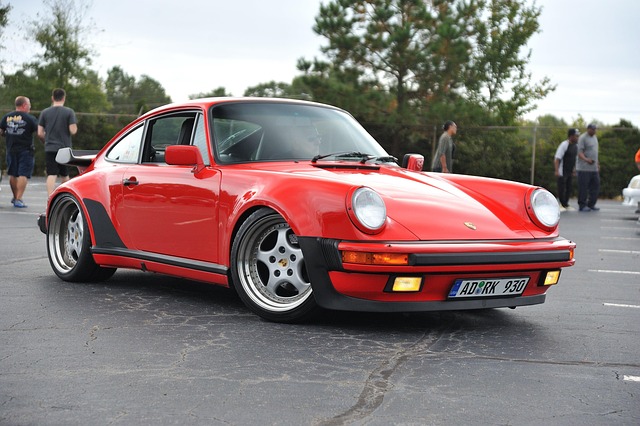
European cars typically cost more to maintain than most other brands. Parts for German, French, or Italian models can be more difficult to source and, while quality, will typically be more expensive than parts for Japanese or American vehicles. Specialist skills or tools may be required for repairs, so labor costs increase as well. A lot of drivers see that routine service, such as brake jobs or oil changes, tends to take longer or require special parts. Owners may have to locate a shop with certified personnel that knows how to work on these vehicles. To assist buyers, it’s useful to understand what fuels these elevated expenses. The meat of it will discuss top reasons and tips for keeping it fair.
Key Takeaways
- European cars are more expensive to maintain because of their advanced engineering and technology, which requires specialized knowledge and tools. This leads to higher labor and parts costs worldwide.
- OEM parts for European cars can be difficult and expensive to obtain in many areas. It’s important to think about the long-term durability and suitability of aftermarket or rebuilt options.
- Technicians working on European vehicles need to be brand-trained and equipped with current diagnostic software to assist them, so car owners should ask about expertise and equipment before selecting a servicing team.
- Adhering to the manufacturer’s maintenance schedule and driving mindfully goes a long way in minimizing maintenance costs and increasing the vehicle’s longevity.
- Ownership costs beyond scheduled maintenance, such as depreciation, insurance rates, and fuel economy, vary significantly among European makes and models.
- There are a number of factors that can impact repair costs, including import duties and local labor rates. Owners should investigate local conditions.
Why Are European Cars Costly?
European cars require specialized knowledge for their upkeep, as their superior performance, quality, and engineering come with unique quirks that lead to higher maintenance costs compared to other vehicles. Below, we dissect these deeper causes of the greater costs.
1. Complex Engineering
European cars employ complex features that distinguish them from mass-market vehicles. Most have precision parts that require skilled mechanics to fix. For instance, BMW’s variable valve timing systems or Audi’s quattro all-wheel-drive setups require both expertise and specialized tools.
Routine maintenance, like brake replacement or oil changes, can be trickier because of distinct engineering. Fine-tuned parts and close tolerances mean standard repair methods will not work and may even cause damage.
Performance parts such as Porsche’s ceramic brakes inflate costs even more, as these components are expensive and need to be handled in a specialized manner. Not employing the correct methodology or tools when making repairs can cause additional problems, which means you need to tackle these vehicles carefully and precisely.
2. Sourcing Parts
It takes longer to find OEM parts because they’re not as widely distributed outside Europe. This rarity can increase the prices and hold up repairs.
Original parts tend to be more expensive than aftermarket versions. Using non-OEM parts invites potential compatibility issues. For example, eSensors or control modules have to be an exact fit for the car’s system or it will cause problems down the line.
Common hard-to-source parts for European vehicles include:
- Electronic control units (ECUs)
- Adaptive headlights
- Suspension components
- Transmission modules
3. Specialized Labor
Technicians on Euro cars require brand-specific training and often certification as well. This specification restricts the labor pool and can result in increased wait times for repairs.
The key is expertise, which is tied to repair quality. Shoddy repairs to a Mercedes or Volvo can create huge problems in the future. Make sure you want certified folks working on the car!
4. Advanced Technology
Things like adaptive cruise control, integrated infotainment systems, and active suspension make routine things difficult. Most diagnostics and even repairs frequently require current tools and manufacturer-specific software.
Even routine fixes can get complicated because today’s European cars depend on interconnected electronics. Although these technologies are able to make cars safer and perform better, they increase the expenses to maintain the car.
5. Performance Focus
Active driving styles in BMW, Mercedes-AMG, or Audi S-line designs can cause higher wear and tear. Engines, brakes, and suspensions are pushed harder, which means more regular maintenance and higher-end consumables.
Even if they’re running smoothly, regular checks are needed to keep everything working at peak performance. This adds to service frequency.
|
Vehicle Type |
Oil Change (months) |
Brake Service (km) |
Spark Plugs (km) |
|
Standard Vehicle |
12 |
50,000 |
100,000 |
|
Performance Model |
6 |
25,000 |
50,000 |
What Specialized Care Is Needed?
What does specialized care entail? European car service requires specialized tools, specific software, and regular technician training. This is crucial for maintaining the performance and reliability of luxury vehicles, especially with turbocharged engines, direct-injection systems, and rigid maintenance schedules. Everything from the fluids you use to the mechanic’s skill can affect the vehicle’s longevity.
Unique Tools
European cars require specialized care. Torx and spline sockets, specialty oil filter wrenches, and precision torque wrenches are all common. High-end cars, like BMW, Audi, or Mercedes-Benz, will require tools to connect directly to their systems as well.
Generic or improper tools can harm sensitive components, particularly around turbochargers or electronics. Easy errors could imply busted sensors or stripped bolts, resulting in costly repairs.
Specialized care too. Shops have to buy these tools and that drives up service prices. For our favorite DIY repairers, it’s a good idea to verify if tools fit the make and model beforehand. Using the wrong tool can transform everyday maintenance into expensive repair.
Diagnostic Software
Brand specific diagnostic software allows techs the ability to read codes and reset service indicators. Newer European cars have advanced onboard computers which require current software to diagnose. Old-school software can’t find latent defects or turn off warning lights.
Technicians should keep a checklist: confirm the software covers the latest models, update firmware regularly, and verify compatibility with OEM systems. To do so is to risk missing something or not fixing it fully, particularly on newer vehicles with rigorous emission controls.
Technician Training
European car tech moves quickly. Ongoing education is important for technicians to keep up. Manufacturer certification programs, such as Mercedes-Benz or Volkswagen, instruct on the newest systems and techniques.
Specialized care is what you need. Inquiring about technician expertise keeps your car in good hands. Owners thrive when their car’s high tech is married with high touch expertise.
The Parts Dilemma
My European car was costing me a fortune in maintenance due to confusion over European car parts. The options usually boil down to authentic (OEM), aftermarket, or rebuilt parts, each with tradeoffs for price, dependability, and car worth. Myths about the necessity of specialized maintenance for European vehicles can cloud decision-making. Understanding what each kind of part provides allows owners to make informed choices.
Genuine Parts
Genuine or OEM parts are delivered directly from the carmaker or their authorized partners, ensuring that they meet the high standards set by European car manufacturers. They undergo rigorous quality control and are designed to fit and function exactly like the original part, making them essential for luxury car maintenance. It’s this reliability that makes them the choice for many owners, particularly newer models or those still under warranty. Although OEM parts are typically more expensive, they provide an assurance that is attractive to many, maintaining resale value and offering fewer repairs for a better-maintained vehicle.
The Aftermarket Parts
Aftermarket parts, especially for European vehicles, are created by third-party manufacturers and are typically cheaper than OEM alternatives, making them appealing to thrifty owners. They sell well for basic fixes, but quality varies widely. Certain reputable brands like Bosch and Bilstein have solid track records for quality and fitment on luxury cars, while others may lead to fit or performance problems. Not all aftermarket parts are created equally to OEM and may occasionally risk voiding warranties or causing issues with finicky systems like direct injection or turbos.
Rebuilt Parts
For those unfamiliar with the ‘parts dilemma’, rebuilt parts are used components that have been disassembled, reconditioned, and had any worn pieces swapped out. We hear it a lot with big, costly parts like transmissions or alternators. With cost savings that can be significant, they are an attractive option for older luxury cars or non-critical repairs. It is a quality variable based on the quality of the rebuilder. It is important to inquire about warranties and ascertain the supplier’s reputation prior to selecting rebuilt parts, as this safeguards against future breakdowns in luxury car maintenance.
|
Type |
Pros |
Cons |
|
Genuine |
High reliability, warranty-safe, preserves value |
Expensive, slower to source |
|
Aftermarket |
Lower cost, wide selection |
Quality varies, may void warranty |
|
Rebuilt |
Cost-effective, good for older cars |
Quality control issues, limited warranty |
How To Reduce Maintenance Costs
European cars require specialized knowledge, which can be pricier. Focusing on common maintenance items and seeking expert assistance from autoTECH Blackhawk can lower costs without skimping on quality. Proactive steps and savvy habits can save serious cash in the long run.
Proactive Checks
Regular inspections are crucial for maintaining luxury cars, as they assist in identifying difficulties before they escalate into major repairs. Check oil levels, brake pads, coolant, and transmission fluid on a monthly basis. Additionally, ensure that belts, hoses, and lights are functioning properly. Don’t ignore small leaks or warning lights, as these minor issues can rapidly expand into costly problems, especially for European vehicles.
Tire health is essential for safety and costs. Keeping tire pressure checked frequently and rotating tires every 10,000 kilometers is vital. Worn or out-of-balance tires can damage gas mileage and put extra wear on suspension components. Tires in good condition mean better traction and longer life for other components, which is particularly important for luxury vehicle performance.
A maintenance checklist is invaluable for ensuring you stay on top of car services. Mark out regular inspections, oil changes, and filter swaps. Include checks for battery health and wipers, which can be performed quarterly. This proactive approach helps avoid missed schedules that might otherwise lead to larger scale repairs, especially for European car brands that require specialized maintenance.
Find A Specialist
A mechanic who specializes in European cars knows the design and quirks of each model. They use proper diagnostic equipment and know what parts are best for each make, so there are fewer wrong guesses and better repairs. autoTECH Blackhawk offers these expert services.
These pros will often offer more personalized service, offering advice on what to check and how to avoid issues. Most shop owners will tell you that they get a lot of really great trusted mechanics by joining local car groups or forums where recommendations are shared. WOM is great for locating somebody dependable that backs what they do.
Follow The Schedule
Each carmaker puts a maintenance schedule in place for a reason. Oil changes, brake checks, and coolant flushes at prescribed intervals keep everything running smoothly. Skipping these risks engine sludge or overheating, which leads to costly repairs.
Following it conserves the lifespan of major components. As the car gets older, some replacements get less expensive and knowing when to strike helps. Setting reminders on your phone or calendar for service milestones makes sure nothing slips through the cracks. It’s an investment that returns in the long run for both dependability and resale price.
Drive Mindfully
Soft driving, such as gentle accelerations and gradual halts, diminishes strain on the motor and brakes. Hard acceleration and sudden braking increase wear, which leads to more frequent replacements. Light loads and steady speeds contribute, aiding fuel consumption and reducing maintenance requirements.
Maintaining a log of your driving habits can identify trends, allowing you to detect changes that may reduce maintenance costs. By observing habits such as excessive idling or frequently taking rough roads, you can make small adjustments that truly matter.

The True Cost Of Ownership
Owning a European car involves more than just the initial sticker price, it requires understanding ongoing expenses like depreciation, insurance, and gas consumption. These factors can significantly impact the long-term cost of luxury vehicles, making it essential to consider the details before selecting eurocars for your needs.
Depreciation
Depreciation is, of course, a part of car ownership. European cars, particularly luxury or high-performance ones, typically depreciate quicker than most Asian or American cars. A rapid decline can be tied to expensive repair bills, costly parts, or even the speed of new product releases. A few brands, such as specific BMW or Mercedes, tend to hold their value more if taken care of.
Staying on top of all scheduled maintenance and repairing minor problems immediately can decelerate depreciation. Clean service records demonstrate to buyers that the car was well cared for, aiding in resale. How much a car depreciates in value depends on how much people desire that model in the used marketplace. Owners should see trends for their model to find out what to expect.
Insurance Rates
European car insurance tends to be more expensive due to the high maintenance costs associated with luxury vehicles. These cars often come equipped with advanced features, sophisticated safety systems, and performance engines, which can be costly to repair or replace. Repair costs and spare parts prices drive premiums higher, especially for luxury car maintenance. Factors such as the vehicle’s age, safety ratings, theft risk, and even the owner’s location can further increase insurance rates.
Shopping around for car services is wise, as not all insurers treat European vehicles the same. Some may offer better rates than others, and checking for deals can help reduce expenses in the long run while ensuring adequate coverage for your luxury car.
Fuel Consumption
Fuel is another consideration. European cars feature everything from pint-sized efficient engines to monstrous speed burners. Tech like turbocharging can help fuel use, but bigger engines tend to translate to more visits to the pump.
|
Model |
Engine Type |
Fuel Economy (L/100km) |
|
BMW 320i |
Petrol Turbo |
6.0 |
|
Audi A4 2.0 TDI |
Diesel Turbo |
4.1 |
|
Mercedes C200 |
Petrol Turbo |
6.3 |
|
Volkswagen Golf GTI |
Petrol Turbo |
6.6 |
|
Volvo XC60 D4 |
Diesel Turbo |
5.2 |
Some, like the Audi A4 diesel, will save you tons of gas. Others, those with large motors, will not. Looking at these ratings pre-purchase can allow owners to budget for long-term expenditures.
Do Global Repair Costs Vary?
European car repair costs aren’t the same everywhere in the world. Global repair costs do vary.
The final cost depends on a lot of things, like import duties, local labor rates and accessibility of parts. These things don’t just vary by country, they vary even between cities or neighborhoods. Because of these differences, it’s not unusual to notice large price variations, even for the very same repair. Luxury and newer vehicles, particularly those with advanced technology, typically come with more expensive parts and labor. It’s important to consider each factor when budgeting how much you might pay to maintain a European car.
Import Duties
Import duties can significantly affect the price of replacement parts for luxury vehicles. Many countries impose taxes on foreign-made goods, which increases the cost for shops and car owners alike, especially when dealing with European car service. When import taxes are high, even fundamental repairs on European vehicles can cost more than anticipated. Trade deals can help reduce these taxes, occasionally aiding in keeping costs down on specific components. Owners should educate themselves on their nation’s regulations and be aware of potential taxes before purchasing parts, particularly if they intend to place an order beyond their domestic market.
Labor Rates
Labor is usually more expensive in places with strong labor laws, unions, or a high cost of living. One thing that does vary is global repair costs, especially for luxury car maintenance. Repair shops in parts of Western Europe and North America charge much more per hour than they do in Southeast Asia or parts of Eastern Europe, for example. Expert repairmen working on high-end brands or luxury vehicles with sophisticated technology can bill at a premium, as can those whose skills and equipment are more expensive to acquire. Our total bill for repairs includes not only parts, it’s also about how long and hard they work. Owners should get estimates from a couple of shops because costs can vary significantly even within the same city.
Spares Availability
Parts for European vehicles are not always in stock, which is especially true in countries distant from the car’s home market, even for luxury cars. This means that if shops have to wait for shipments from overseas, it drags repairs down and pushes prices up. Some shops must cope with long delays or high shipping charges for rare or specialized European car parts. A reliable supply chain is a blessing, but not every part of the world is so lucky. Vehicle owners should anticipate potential delays and increased costs, particularly for repairs requiring specialty or rare parts.
Final Remarks
Maintaining a European car often means paying a premium for parts and specialized attention. Many shops require advanced tools and expertise to properly service these vehicles, which can drive up costs. Parts may be expensive and sometimes need to be shipped from far away, and prices can vary depending on location. You can reduce expenses by staying proactive with maintenance, working with trusted specialists, and sourcing reliable components. At autoTECH Blackhawk, we focus on precision care for European vehicles, helping owners protect performance and longevity. For those who love the way a European car drives or looks, the investment in proper maintenance is often well worth it.
Frequently Asked Questions
1. Are European Cars More Expensive To Maintain Than Other Cars?
Yes, European cars require specialized knowledge for maintenance, making them more expensive to service due to advanced technologies, imported parts, and higher labor costs for skilled technicians.
2. Why Do European Cars Need Specialized Care?
European cars require specialized knowledge and precision engineering, necessitating trained mechanics and specialized tools, which can increase luxury car service expenses.
3. Are Replacement Parts For European Cars Harder To Find?
Because parts for European cars require specialized knowledge and might have to be imported, they can be more expensive and slower to repair than local cars.
4. Can I Reduce The Maintenance Cost Of My European Car?
Routine servicing at independent repair shops and sourcing european car parts from trusted suppliers can help reduce maintenance costs.
5. Do Repair Costs For European Cars Differ By Country?
Yes, I think repair costs for European vehicles are different all over the world. Pricing is very much a factor of local labor rates, taxes, and how available European car parts are in each country.
Boost Your European Car’s Performance With Expert Upgrades At autoTECH Blackhawk
Give your European vehicle the care it needs with specialized performance upgrades from autoTECH Blackhawk. Our technicians understand the engineering behind European brands and know how to improve power, handling, and overall drivability. If you want quicker response, tighter control, or a smoother suspension setup, we tailor every upgrade to the specific demands of your model.
At autoTECH Blackhawk, European performance means precision, protection, and long-term reliability. Every upgrade is backed by our 3-year and 36,000-mile warranty on related repairs. We use high quality, manufacturer approved parts to keep your vehicle running at its best. From exhaust and intake improvements to ECU tuning and suspension refinement, we deliver upgrades that feel natural and refined on the road.
Ready to elevate your European car? Contact our team to schedule a performance upgrade consultation and see why drivers rely on autoTECH Blackhawk for trusted craftsmanship and standout results.